

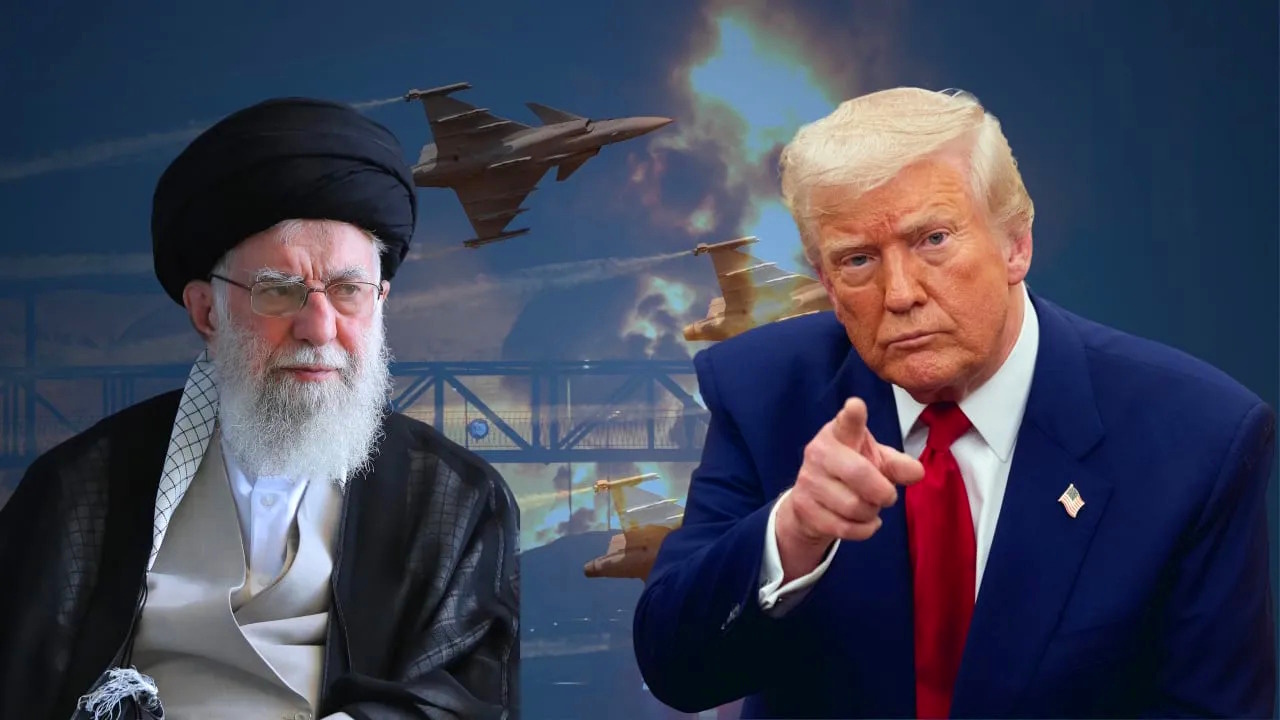
Negotiators from Iran and the United States are scheduled to meet again in Geneva on Thursday, as diplomatic efforts to de-escalate soaring tensions in the Middle East continue. The talks, confirmed by Omani Foreign Minister Badr al-Busaidi, aim to bridge the gaps between the long-time foes and finalize a potential agreement.
In a social media post, al-Busaidi stated that the discussions would resume “with a positive push to go the extra mile towards finalizing the deal,” positioning Oman once again as a key regional mediator between Washington and Tehran.
The announcement comes just a day after Iran’s top diplomat issued a stark warning, stating that any military action by the United States would be met with retaliation against American interests in the region. Speaking to US broadcaster CBS on Sunday, Iranian Foreign Minister Abbas Araghchi struck a dual tone of defiance and openness to diplomacy, acknowledging a “good chance to have a diplomatic solution” even as he underscored Iran’s right to self-defense.
“We have every right to defend ourselves,” Araghchi said, alluding to American assets in the region as potential targets in the event of an attack. He expressed hope that the upcoming Geneva meeting would allow both sides to “work on those elements and prepare a good text and come to a fast deal.”
The new diplomatic push follows a recent round of talks in Geneva, after which Iran indicated it was preparing a draft proposal for an agreement aimed at averting military confrontation. According to a report from Axios, a senior US official, speaking on condition of anonymity, suggested that Washington was prepared to engage in “detailed negotiations” later this week if Tehran formally submitted its proposal within a 48-hour window.
These diplomatic efforts are unfolding against a backdrop of significant military escalation. In recent weeks, the United States has bolstered its presence in the Middle East, deploying two aircraft carriers, additional fighter jets, and reinforcing its air defense systems. This major redeployment of military assets is widely interpreted as a move to back up Washington’s threats and deter potential aggression.
The core of Western concern remains Iran’s nuclear program, which Tehran insists is for civilian purposes, including uranium enrichment. “As a sovereign country, we have every right to decide for ourselves, by ourselves,” Araghchi stated on Sunday, reiterating Iran’s stance on its nuclear rights. Western governments, however, fear the program is aimed at developing a nuclear weapon, a charge Iran has long denied.
The path to the current situation has been marked by recent conflict and internal upheaval. A previous round of diplomacy was abruptly interrupted last year by an Israeli bombing campaign against the Islamic Republic, which escalated into a 12-day conflict in June. The United States briefly joined that confrontation with strikes on Iranian nuclear facilities.
Compounding the external pressures is Iran’s fragile internal situation. The country is still grappling with the aftermath of nationwide protests that erupted late last year. Initially sparked by soaring living costs and economic sanctions that have crippled the Iranian economy, the demonstrations rapidly evolved into a mass anti-government movement, posing one of the most significant challenges to the clerical leadership in years. According to rights groups, a subsequent deadly crackdown by authorities resulted in the deaths of thousands.
The cycle of protest and crackdown has added another layer of complexity to the international standoff. While then-candidate Donald Trump initially voiced support for the protesters, threatening intervention on their behalf, his administration’s focus—and the primary source of US threats has since shifted back to curbing Iran’s nuclear advancements.
For Iran, the incentive for a swift deal is clear: relief from crippling economic sanctions that fueled the recent unrest. For the US and its allies, the goal remains the verifiable containment of Iran’s nuclear program. As both sides prepare to meet in Geneva on Thursday, the world watches to see if a “positive push” can indeed go the “extra mile” to avert another major conflict in the Middle East.
Our Pashto-Dari Website

Support Dawat Media Center
If there were ever a time to join us, it is now. Every contribution, however big or small, powers our journalism and sustains our future. Support the Dawat Media Center from as little as $/€10 – it only takes a minute. If you can, please consider supporting us with a regular amount each month. Thank you
DNB Bank AC # 0530 2294668
Account for international payments: NO15 0530 2294 668
Vipps: #557320

Comments are closed.