

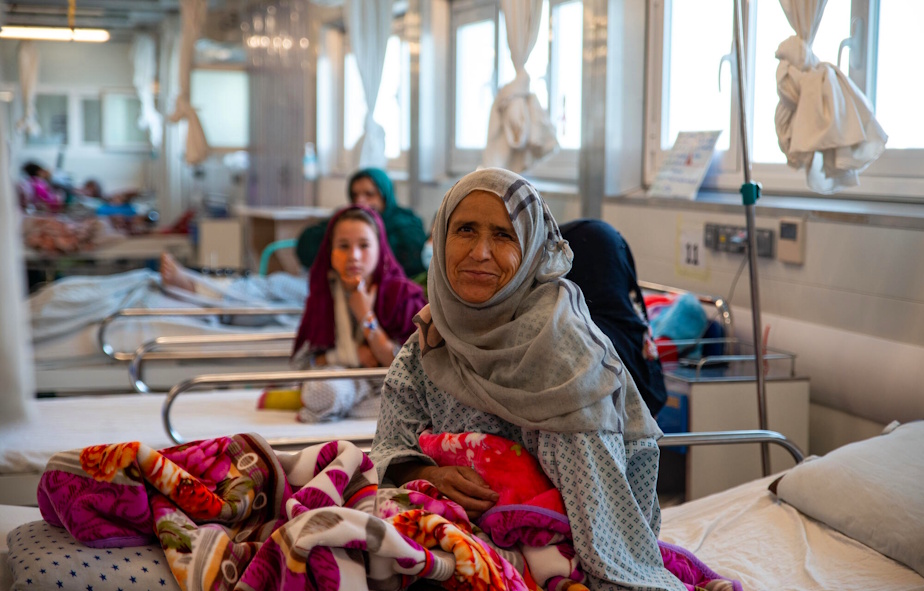
The International Organization for Migration (IOM) reported on Tuesday that approximately 14 million people in Afghanistan are in urgent need of access to health services, highlighting the severe and ongoing humanitarian and public health crisis gripping the country.
Marking World Health Day, the agency stressed that health care must be treated as a basic necessity rather than a privilege particularly for vulnerable communities already grappling with displacement, entrenched poverty, and limited access to even the most basic clinics.
The IOM noted that it has been working to provide urgent, life-saving medical support to large numbers of Afghans returning from abroad, many of whom arrive with scant financial resources, deteriorating health conditions, or immediate care needs. These returnees, alongside long-term internally displaced persons, often find themselves in areas where the health system has all but collapsed.
Large numbers of displaced and returning families especially those in border provinces and remote rural regions continue to face critical shortages of clinics, essential medicines, medical equipment, and trained health workers. Aid agencies report that these gaps have made it increasingly difficult for patients, pregnant women, children, and individuals with chronic or emergency conditions to receive timely and reliable treatment across much of the country.
Afghanistan’s health system remains under severe pressure after decades of conflict, profound economic hardship, chronic underfunding, and repeated humanitarian shocks. In many areas, health facilities are struggling to meet even basic demand, forcing families to choose between traveling long distances or forgoing care altogether.
The situation has worsened in recent months due to rising numbers of returnees from neighboring countries, recurrent disease outbreaks including measles and acute watery diarrhea and sharp cuts in international assistance. These compounding pressures have placed additional strain on an already fragile service delivery system, pushing some local health facilities to the brink of closure.
The IOM’s warning underscores the urgent need for sustained health funding and international support, as millions of Afghans continue to depend entirely on humanitarian aid for their survival. Without immediate action, aid groups caution, preventable deaths and untreated illnesses could rise sharply across the country.
Our Pashto-Dari Website

Support Dawat Media Center
If there were ever a time to join us, it is now. Every contribution, however big or small, powers our journalism and sustains our future. Support the Dawat Media Center from as little as $/€10 – it only takes a minute. If you can, please consider supporting us with a regular amount each month. Thank you
DNB Bank AC # 0530 2294668
Account for international payments: NO15 0530 2294 668
Vipps: #557320

Comments are closed.