
Pregnant Afghan Woman Dies at Pakistan Checkpoint After Administrative Delays Block Medical Access

BEKYARI CHECKPOINT, Khyber Pakhtunkhwa – A pregnant Afghan woman from Kunduz province died at a checkpoint in northwestern Pakistan after administrative delays and a lack of nearby medical care prevented her from reaching a hospital in time, officials and local sources confirmed.
The woman, whose identity has not been publicly released, was awaiting the completion of her immigration paperwork at the Bekyari checkpoint in Khyber Pakhtunkhwa when she suddenly went into labor. Pakistani police officials stated that her case was still being processed when complications arose.
According to local sources, security personnel and bystanders attempted to arrange an ambulance, but due to remote checkpoint conditions and no on-site medical staff, she could not receive timely assistance. She died before reaching the nearest medical facility.
A Broken System: Bureaucracy Over Emergencies
Advocates say the tragedy highlights a recurring pattern: long, complex administrative procedures at border points and registration centers are leaving Afghan migrants—especially pregnant women, the elderly, and the sick exposed to life-threatening delays.
Pakistan hosts one of the largest Afghan refugee populations in the world, alongside Iran. Of the more than 1.3 million registered Afghan refugees in Pakistan, hundreds of thousands more live without legal status, navigating an often-crippling bureaucracy to access even basic services.
Humanitarian organizations have repeatedly urged Pakistani authorities to streamline border procedures and guarantee emergency medical care regardless of immigration status. “No woman should die giving birth while waiting for a stamp on a paper,” said a representative from a refugee aid group working in the region, speaking on condition of anonymity due to the sensitivity of the issue.
Life in Informal Camps: A Preventable Crisis
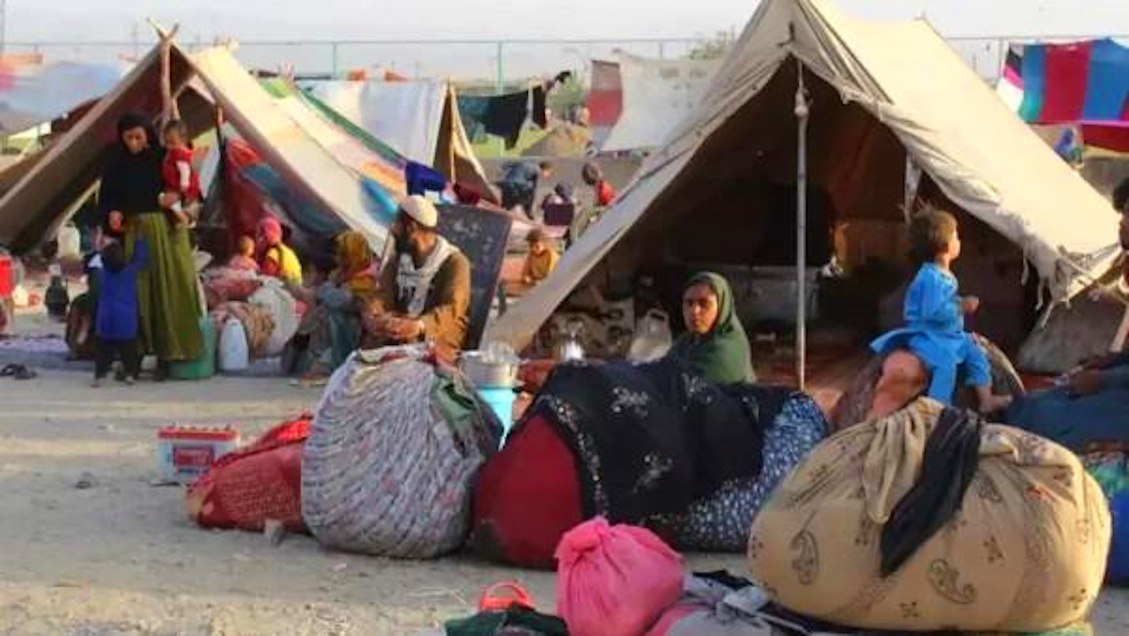
Thousands of Afghan refugees live in crowded informal settlements and makeshift camps across Pakistan, where access to clean water, sanitation, nutrition, and maternal healthcare is severely limited. These conditions dramatically increase the risk of preventable deaths, particularly among women and children.
Refugees frequently report waiting hours or even days at immigration and aid offices, leaving urgent medical and nutritional needs unmet. Pregnant women are especially vulnerable, as complications like hemorrhage or obstructed labor can become fatal within minutes without skilled care.
Calls for Urgent Reform
Human rights watchdogs and UN-affiliated agencies have called on Islamabad to:
-
Establish emergency medical protocols at all major checkpoints and registration centers.
-
Train border personnel to recognize and fast-track high-risk cases, including labor, injury, and chronic illness.
-
Expand mobile health units serving informal refugee settlements.
-
Remove administrative barriers that prevent pregnant migrants from accessing public hospitals.
“Without urgent, system-wide reforms,” a recent humanitarian briefing warned, “more migrants will die from complications during pregnancy, illness, or accidents—not because their conditions were untreatable, but because the system arrived too late.”
The death of the Kunduz woman has renewed concerns over Pakistan’s management of displaced populations, as international funding for refugee support dwindles and cross-border movement from Afghanistan remains high following the 2021 Taliban takeover.
Our Pashto-Dari Website
Support Dawat Media Center
If there were ever a time to join us, it is now. Every contribution, however big or small, powers our journalism and sustains our future. Support the Dawat Media Center from as little as $/€10 – it only takes a minute. If you can, please consider supporting us with a regular amount each month. Thank you
DNB Bank AC # 0530 2294668
Account for international payments: NO15 0530 2294 668
Vipps: #557320

Comments are closed.