

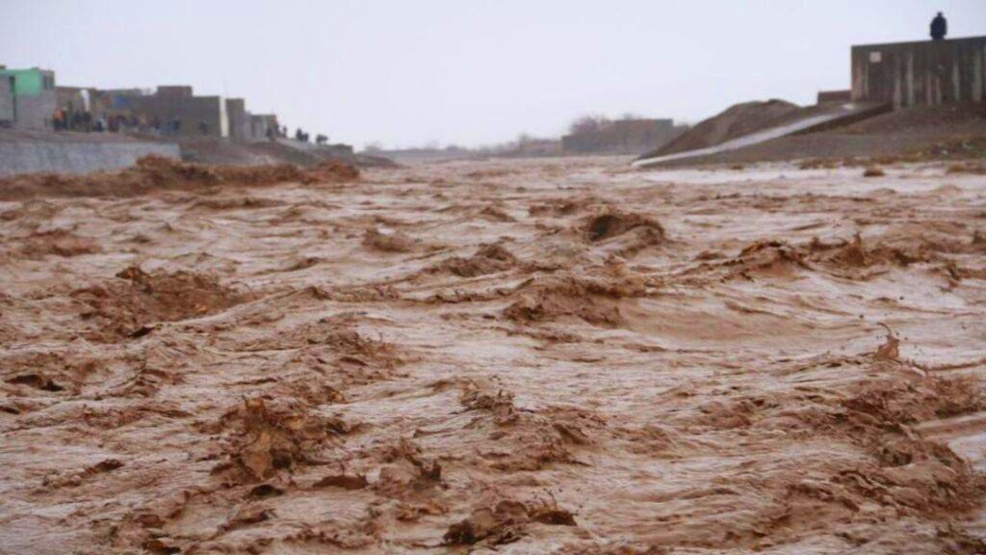
KABUL (DawatMedia): At least 61 people have been killed and 116 others injured in a fresh wave of floods and natural disasters sweeping across Afghanistan, according to updated figures released by Taliban spokesman Zabihullah Mujahid. He attributed the data to the Afghanistan Red Crescent Society.
Mujahid added that four people remain missing as rescue teams and damage assessment efforts continue following days of heavy rain and flash flooding in multiple provinces. The ongoing weather conditions have hampered some relief operations, raising concerns that the toll could rise further.
The spokesman detailed the scale of the destruction, stating that the latest storms and floods have fully or partially damaged 2,448 homes, destroyed 26,841 jeribs (approximately 5,368 hectares) of farmland, and killed more than 1,000 livestock losses that strike at the heart of Afghanistan’s agrarian economy. He also noted that roads, highways, and local access routes have been blocked or damaged in several provinces, severely disrupting both civilian movement and the delivery of emergency aid.
This updated death toll marks a sharp rise from official figures released earlier this week. The Associated Press, citing Afghanistan’s disaster management authority, previously reported that flooding and severe weather had killed 28 people by March 30 and 42 people by March 31, with hundreds of homes and large areas of farmland already affected. The newer figures suggest the crisis has widened significantly as rainfall continued unabated.
Large parts of the country including provinces such as Herat, Farah, Kandahar, and Zabul have been hit by heavy rainfall, flash floods, landslides, and violent storms over recent days. Officials have warned that additional bad weather is forecast, which could trigger even more destruction. Rural communities, where many families rely on subsistence farming and live in fragile mud-built homes, have been among the hardest hit.
Afghanistan remains highly vulnerable to seasonal flooding, especially in the spring, when heavy rain and snowmelt combine with weak infrastructure, widespread deforestation, and poor drainage systems to dramatically increase the risk of deadly flash floods. The country’s mountainous terrain and parched soil unable to absorb sudden downpours further exacerbate the danger.
Aid agencies and climate experts have repeatedly warned that intensifying climate shocks, compounded by decades of conflict and a severely limited disaster-response capacity, are leaving Afghan communities increasingly exposed to repeated humanitarian emergencies. The situation is worsened by an ongoing economic crisis and the near-collapse of basic public services since the Taliban’s return to power in 2021.
The latest wave of floods has once again exposed Afghanistan’s profound vulnerability to extreme weather. With rising casualties and widespread damage to homes, farmland, and livestock, the disaster is likely to deepen hardship for thousands of already fragile households, many of which were still struggling to recover from previous floods, earthquakes, and decades of war.
International aid organizations have called for urgent funding and safe access to affected areas, warning that without immediate assistance, survivors face the dual threat of displacement and waterborne diseases.
Our Pashto-Dari Website

Support Dawat Media Center
If there were ever a time to join us, it is now. Every contribution, however big or small, powers our journalism and sustains our future. Support the Dawat Media Center from as little as $/€10 – it only takes a minute. If you can, please consider supporting us with a regular amount each month. Thank you
DNB Bank AC # 0530 2294668
Account for international payments: NO15 0530 2294 668
Vipps: #557320

Comments are closed.