
WHO Airlifts 78 Tonnes of Life-Saving Medical Supplies to Afghanistan Amid Regional Crisis

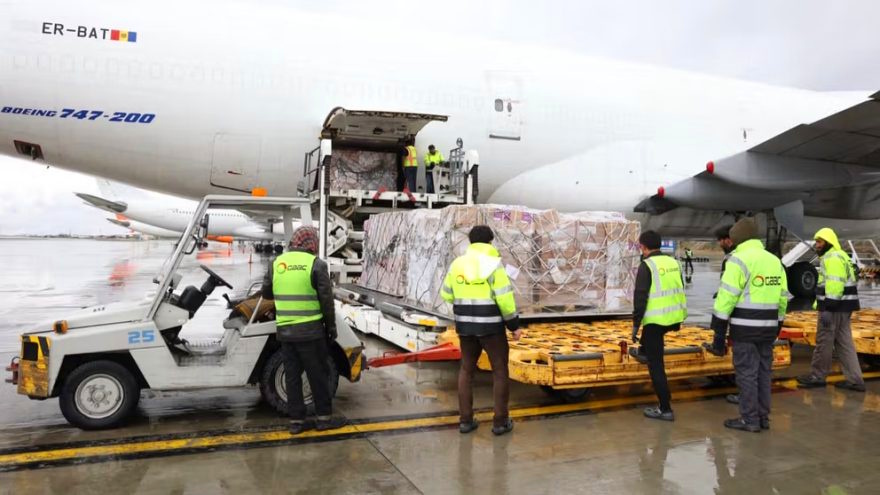
KABUL / GENEVA – The World Health Organization (WHO) has successfully airlifted 78 tonnes of life-saving medical supplies from Dubai to Afghanistan, offering a critical lifeline to a health system reeling from years of compounded crises. The shipment, which arrived in Kabul this week, is designed to provide urgent support for hundreds of thousands of people as the country faces mounting humanitarian and public health pressures.
According to the WHO, the cargo includes essential items such as measles treatment kits, supplies for pneumonia management, nutritional support for severely malnourished children, and surgical equipment. The supplies are expected to cover the immediate health needs of more than 419,000 people and facilitate over 13,000 life-saving surgeries across the country.
The delivery comes at a time when humanitarian logistics across the broader Middle East and Central Asian region have become increasingly difficult due to airspace restrictions and conflict-related disruptions. The WHO specifically thanked the United Arab Emirates for helping facilitate the transport, highlighting the role of regional partners in preserving critical aid corridors.
Regional Disruptions and Delayed Aid
The airlift follows a stark warning from the WHO earlier this year that ongoing conflicts in the Middle East and resulting airspace closures had severely disrupted the movement of emergency health cargo. These restrictions delayed more than 50 humanitarian shipments intended for 1.6 million people across 25 countries, including Afghanistan. The fact that this 78-tonne delivery was able to proceed suggests that some priority aid is still being pushed through, albeit with significant coordination challenges.
Afghanistan’s Overlapping Health Crises
Afghanistan continues to grapple with a devastating combination of humanitarian, economic, and public health emergencies. The WHO and other aid agencies report that the country is battling recurrent disease outbreaks, including measles and acute watery diarrhea, while millions face limited access to even basic primary care. Climate-related shocks such as earthquakes, flash floods, and droughts have further displaced communities and overwhelmed rural health facilities.
The nation’s health sector remains heavily dependent on international assistance. Millions of Afghans rely on externally supported clinics, emergency services, and disease-response programs for survival. The WHO has repeatedly stressed that sustained and unimpeded supply lines are not optional but essential to keeping those services operational.
Temporary Relief, Persistent Needs
While the new shipment offers temporary relief for a strained and underfunded health network, aid agencies caution that it is not a solution to Afghanistan’s deeper systemic challenges. Hospitals and rural health posts continue to operate with little margin to absorb further disruptions from new outbreaks, natural disasters, or funding shortfalls.
The WHO’s emergency response in Afghanistan remains focused on three priorities: preserving essential health services, ensuring rapid outbreak response, and delivering critical medicines to the most vulnerable communities. However, officials warn that continued international funding, sustained regional stability, and guaranteed humanitarian access will remain indispensable to prevent a deeper, more widespread health emergency in the months ahead.
Our Pashto-Dari Website

Support Dawat Media Center
If there were ever a time to join us, it is now. Every contribution, however big or small, powers our journalism and sustains our future. Support the Dawat Media Center from as little as $/€10 – it only takes a minute. If you can, please consider supporting us with a regular amount each month. Thank you
DNB Bank AC # 0530 2294668
Account for international payments: NO15 0530 2294 668
Vipps: #557320

Comments are closed.