
U.N. World Food Programme Warns of Catastrophic Hunger Surge in Afghanistan as Winter Arrives

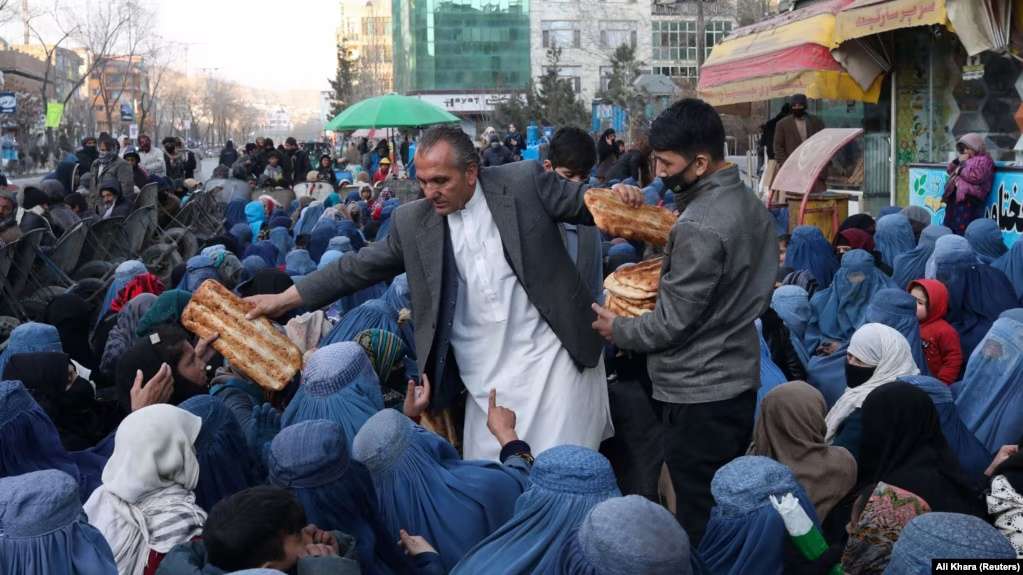
KABUL/GENEVA – The United Nations World Food Programme (WFP) issued an urgent warning on Sunday, December 7, stating that hunger and malnutrition in Afghanistan are deteriorating at an alarming rate with the onset of winter, placing millions of lives in immediate jeopardy without a rapid influx of aid.
In a stark public message, the agency reported that malnutrition rates among vulnerable women and children could soon reach catastrophic levels “not seen in recent years.” This crisis is being driven by a severe funding shortfall, which has forced the WFP to drastically scale back its operations.
“We are being forced to make impossible choices,” stated WFP Executive Director Carl Skau. “Due to crippling funding shortages, we have had to cut food assistance from ten million desperately vulnerable people down to just two million this month. Without urgent new financial resources, many children could face life-threatening conditions this winter, at risk of dying from malnutrition, disease, and exposure.”
The warning amplifies longstanding concerns from the United Nations, which previously reported that approximately 3.5 million Afghan children under the age of five already suffer from acute malnutrition. The current funding crisis threatens to push these numbers even higher.
The humanitarian catastrophe is being compounded by a series of interconnected shocks:
-
Economic Collapse: The country’s economy remains severely strained, limiting household incomes and access to food.
-
Climate Extremes: Recurring droughts and erratic weather patterns have devastated agricultural production.
-
Operational Restrictions: A Taliban decree issued nearly three months ago barring Afghan women from working for national and international non-governmental organizations (NGOs) has critically hampered aid delivery. This ban, which was later extended to include UN agencies, has restricted essential services to women-led households and vulnerable families, paralyzing many life-saving programs and prompting repeated UN appeals for its reversal.
Humanitarian workers on the ground underscore that Afghanistan remains one of the world’s most severe food insecurity emergencies. “The convergence of drought, economic hardship, and restrictions on aid operations is creating a perfect storm,” said one aid official, speaking on condition of anonymity. “Vulnerable communities are being pushed to the absolute brink.”
Aid organizations are making a concerted, final appeal to the international donor community to resume and accelerate funding. They stress that reduced support will not only plunge populations deeper into famine-like conditions but will also overwhelm Afghanistan’s already fragile health system during the harsh winter months, when access to remote areas becomes increasingly difficult.
The international community now faces a critical test of its commitment to the Afghan people, with the WFP warning that the window to avert a widespread humanitarian disaster is closing rapidly.
Our Pashto-Dari Website


Support Dawat Media Center
If there were ever a time to join us, it is now. Every contribution, however big or small, powers our journalism and sustains our future. Support the Dawat Media Center from as little as $/€10 – it only takes a minute. If you can, please consider supporting us with a regular amount each month. Thank you
DNB Bank AC # 0530 2294668
Account for international payments: NO15 0530 2294 668
Vipps: #557320

Comments are closed.