
Russia Denies Mediating Pakistan’s Ties with India and Afghanistan, Stresses Bilateral Resolution

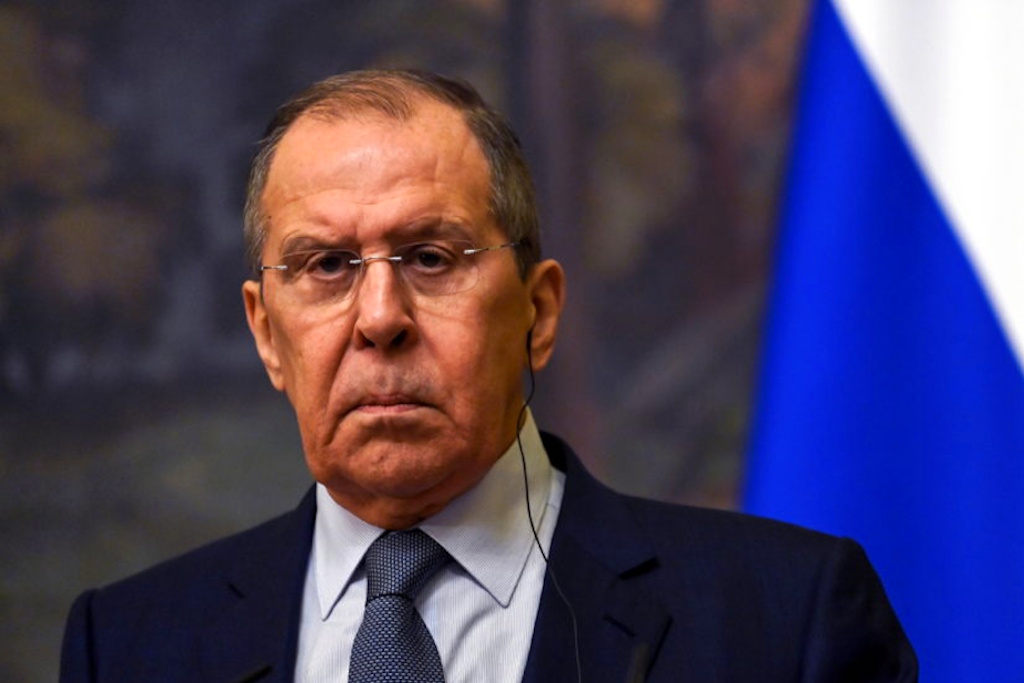
Russia has clarified that it is not acting as a mediator in Pakistan’s complex relations with India and Afghanistan, though it expressed a willingness to offer support if requested by all parties involved. The statement underscores Moscow’s official position that longstanding regional disputes should be resolved through direct bilateral engagement.
Official Position and Historical Context
In detailed written responses published by its Foreign Ministry—released ahead of Foreign Minister Sergei Lavrov’s annual press conference where time constraints prevented their live address—Russia emphasized adherence to foundational bilateral agreements. Specifically, Moscow cited the 1972 Simla Agreement and the 1999 Lahore Declaration as the appropriate frameworks for settling differences between India and Pakistan. Regarding Afghanistan, Russia’s stance aligns with its consistent advocacy for an inclusive government and regional stability, but without a direct mediating role between Islamabad and Kabul.
Deepening Russia-Pakistan Ties
While distancing itself from mediation, the statement detailed a significant expansion in Russia’s own bilateral relationship with Pakistan. It noted that political contacts “intensified” in 2025, highlighted by a meeting between President Vladimir Putin and Prime Minister Shehbaz Sharif on the sidelines of the Shanghai Cooperation Organisation (SCO) summit in China.
The economic partnership is gaining considerable momentum, with several key collaborations underway or in discussion:
-
Industry & Energy: Major projects include the revival of the Karachi steel plant (PSM) and potential Russian investment in Pakistan’s oil and gas sector.
-
Trade & Logistics: The two nations are progressing toward adopting a comprehensive bilateral trade and economic cooperation program stretching through 2030. Trial freight shipments along the International North-South Transport Corridor (INSTC) are exploring new multi-modal trade routes.
-
Healthcare: Collaboration in the pharmaceutical sector, including joint insulin production, marks a growing focus on social infrastructure.
Strategic Implications
Russia’s clarification serves multiple diplomatic objectives. It respects India’s traditional sensitivity to third-party mediation in Kashmir while balancing its growing strategic and economic engagement with Pakistan. Furthermore, it positions Russia as a supportive but neutral actor in South Asia, capable of engaging with all sides—India, Pakistan, and the Taliban-led government in Afghanistan—without being drawn into direct conflict resolution. This allows Moscow to advocate for regional stability on platforms like the SCO while advancing its own economic and geopolitical interests in the region.
Our Pashto-Dari Website

Support Dawat Media Center
If there were ever a time to join us, it is now. Every contribution, however big or small, powers our journalism and sustains our future. Support the Dawat Media Center from as little as $/€10 – it only takes a minute. If you can, please consider supporting us with a regular amount each month. Thank you
DNB Bank AC # 0530 2294668
Account for international payments: NO15 0530 2294 668
Vipps: #557320

Comments are closed.