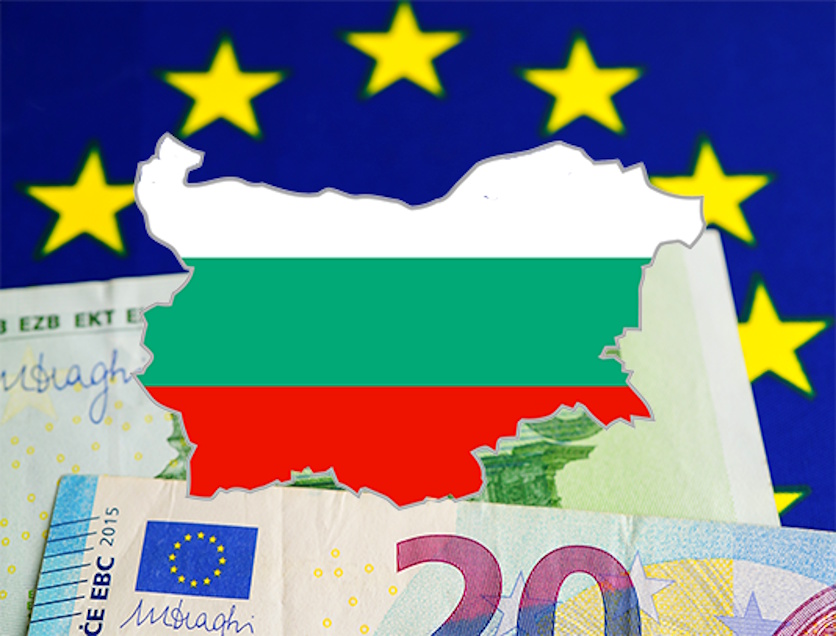
SOFIA – Bulgaria formally adopted the euro on January 1, entering the currency’s “waiting room” and taking a landmark step toward deeper EU integration. Yet the moment was met not with celebration, but with widespread public apprehension, political paralysis, and economic unease.
In a working-class Sofia neighborhood, Roumania Elieva, who has run a small shoe shop for three decades, voiced a common sentiment. “Nobody wants the euro here,” she stated flatly. Her first day of sales under the new currency yielded a single pair of slippers. “Salaries are low, bills keep going up. People are terrified the euro will be an excuse to make everything more expensive.”
This fear of price gouging, despite strict “dual display” rules meant to ensure a fair transition, dominates public discourse. At the city’s sprawling “cooperative market,” a labyrinth of stalls clinging to a name from the communist past, the mood was similarly bleak. Vendors and customers alike grumbled about the soaring cost of living, stagnant wages averaging €500 a month, and what they see as “unfair” competition from larger, more modern stores.
A Nation Deeply Split
Recent polls crystallize the division: approximately 51% of Bulgarians opposed the euro’s adoption, with only 40% in support. Proponents, including many economists and business leaders, argue that the move will lower transaction costs, attract investment, and provide currency stability after years of being pegged to the euro anyway. They see it as a necessary step toward catching up with Western European living standards.
Skeptics, however, fear immediate inflationary shocks and a loss of economic sovereignty. This skepticism is amplified by a profound distrust in institutions. “The problem isn’t the euro itself; it’s that we don’t trust the government to manage the transition fairly,” said Krasimir, a retired engineer shopping at the market. “They tell us prices are controlled, but we know how things work here.”
Governing in a Vacuum
This public disillusionment unfolds against a backdrop of severe political instability. Bulgaria is currently led by a caretaker government appointed by the president, its sixth such interim administration in just over two years. A fragmented parliament has been unable to form a stable coalition, resulting in a critical failure: the country entered the euro zone without an approved state budget for 2024.
The political deadlock stems from endless wrangling between two rival blocs, both pledging to combat corruption but unable to find common ground. This paralysis stalls crucial reforms in the judiciary and anti-graft agencies, which the EU has repeatedly demanded.
The Shadow of Corruption
Endemic corruption remains the elephant in the room, eroding faith in the euro project. Bulgaria consistently ranks as the EU’s most corrupt member state, according to Transparency International. Many citizens view the political elite’s push for euro adoption with cynicism, seeing it as a maneuver for prestige and access to EU funds, rather than a genuine effort to improve public welfare.
“Adopting the euro is a technical process, but it requires political stability and public trust to succeed,” commented economist Marin Markov. “Bulgaria has neither. We are implementing a monetary policy for a united Europe while our own house is in profound disorder.”
The country’s journey into the euro zone, therefore, is a paradoxical one. It is a major strategic achievement for its EU future, yet its domestic present is characterized by crisis. The true test will be whether the symbolic power of the single currency can eventually help bridge the deep divides—or if the political and economic fractures will undermine its promised benefits from the start.
![دعوت میډیا ۲۴]()
Donate Here
![]()




Comments are closed.