

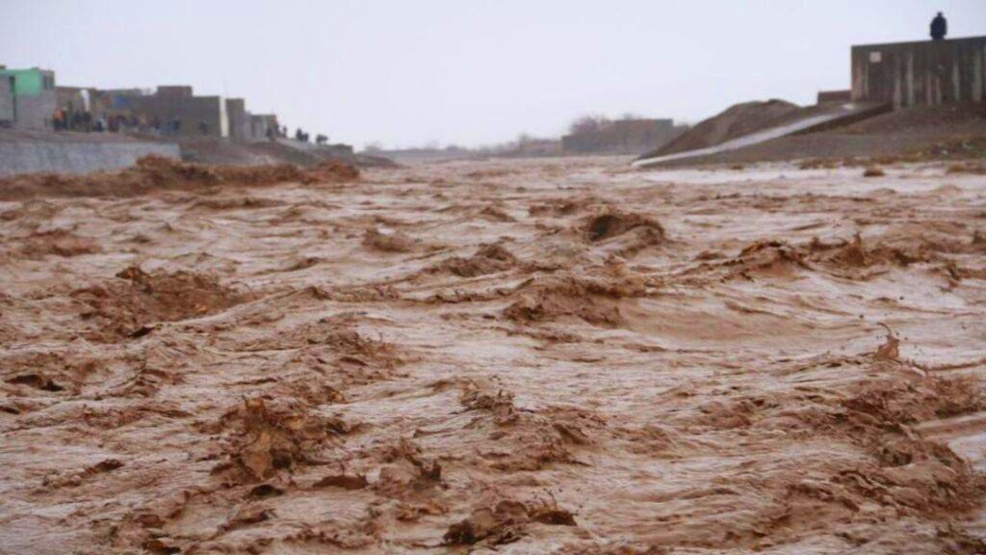
KABUL (dawatmedia): At least 48 people have been killed and 73 others injured in heavy rains and flash floods sweeping across 20 provinces of Afghanistan since March 26, according to figures released by the Taliban-run disaster management authority. The latest wave of weather-related devastation has once again exposed the country’s deep vulnerability to seasonal natural disasters, particularly in rural and mountainous regions where infrastructure remains fragile.
Taliban officials reported that in the past 24 hours alone, six people were killed and seven others wounded. The floods and storms have damaged or destroyed homes, roads, shops, and agricultural land across a wide stretch of the country. Affected provinces include Kabul, Kapisa, Parwan, Panjshir, Paktia, Paktika, Khost, Logar, Maidan Wardak, Zabul, Uruzgan, Ghor, Badghis, Sar-e-Pul, Faryab, Samangan, Baghlan, Badakhshan, Kunar, and Laghman.
The disaster management authority confirmed that 139 homes were completely destroyed in the past day, while approximately 300 others sustained partial damage. Officials also reported damage to 13 shops, nearly 10 kilometers of roads, and 65 jeribs (roughly 13 hectares) of agricultural land underscoring the broad economic and humanitarian toll on already struggling communities.
According to the same figures, more than 1,042 families were affected in just one day, with at least 212 families newly displaced. Since the flooding began, more than 2,700 families across Afghanistan have reportedly been affected, and hundreds of homes have been either destroyed or damaged as repeated downpours continue to lash vulnerable districts.
A Nation on the Front Lines of Climate Shocks
Afghanistan ranks among the countries most exposed to climate-related hazards, including flash floods, droughts, landslides, and harsh winters. Humanitarian agencies warn that years of armed conflict, chronic poverty, weak infrastructure, and environmental degradation have left millions of Afghans acutely vulnerable to extreme weather events and with little capacity to recover.
Spring is traditionally one of the most dangerous seasons in Afghanistan, as heavy rainfall combines with rapid snowmelt from the Hindu Kush mountains to trigger sudden, violent flooding. Low-lying valleys and remote districts are especially at risk. For many farming families, these disasters not only sweep away homes but also obliterate crops, livestock, and entire livelihoods in a matter of hours.
Growing Humanitarian Burden
The latest floods add to Afghanistan’s already severe humanitarian crisis, which has worsened since the Taliban takeover in 2021 and the subsequent collapse of foreign aid funding. International organizations have repeatedly warned that disaster preparedness and response systems remain critically underfunded and overstretched.
With unstable weather conditions still posing a threat in several regions, local authorities and aid groups are likely to face mounting pressure to deliver emergency shelter, food, and medical care and to prevent further loss of life in the days ahead. However, damaged roads and limited resources continue to hamper rescue efforts in the hardest-hit areas.
As climate patterns become more erratic, Afghanistan’s recurring cycle of flood and drought serves as a stark reminder that even in a country long defined by conflict, nature has become an increasingly deadly adversary.
Our Pashto-Dari Website

Support Dawat Media Center
If there were ever a time to join us, it is now. Every contribution, however big or small, powers our journalism and sustains our future. Support the Dawat Media Center from as little as $/€10 – it only takes a minute. If you can, please consider supporting us with a regular amount each month. Thank you
DNB Bank AC # 0530 2294668
Account for international payments: NO15 0530 2294 668
Vipps: #557320

Comments are closed.