
UN Report Reveals One in Four Afghans Has a Disability, Urges Immediate Inclusion and Protection

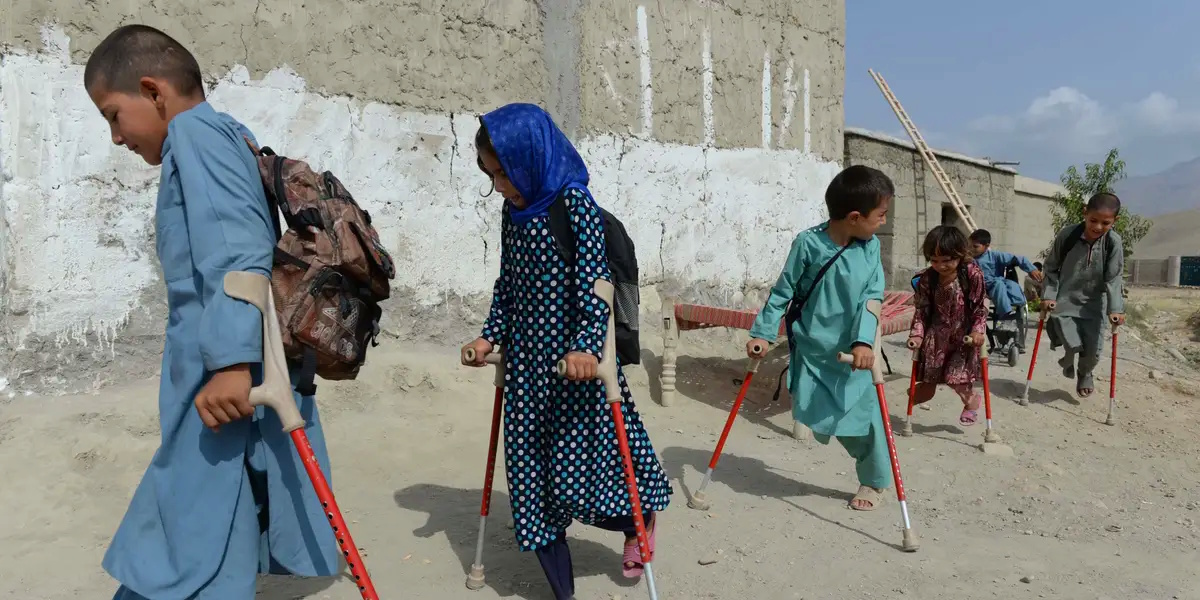
KABUL/GENEVA – In a stark assessment marking the International Day of Persons with Disabilities, the United Nations reported on 3 December 2025 that nearly one in four people in Afghanistan—approximately 24.6% of the population—is living with a disability. The organization issued an urgent call for their inclusion, protection, and guaranteed equal access to essential services amid the country’s escalating humanitarian crisis.
The UN stated that persons with disabilities remain among the most marginalized and vulnerable groups in Afghanistan. Decades of protracted conflict, widespread displacement, a collapsing health system, and severe economic instability have driven the disability rate to a level “significantly higher than global averages.”
“Ensuring the inclusion of persons with disabilities in all spheres of life is an important step to help build a peaceful, fair and prosperous Afghanistan,” said Indrika Ratwatte, Deputy Special Representative of the UN Secretary-General for Afghanistan. He emphasized that disability inclusion is central to all ongoing UN programming in the country.
A Spectrum of Need Amidst Systemic Collapse
The UN provided a detailed breakdown of recent data, illustrating the scale and severity of the situation:
-
24.6% of Afghans live with a mild disability.
-
40% live with a moderate disability.
-
Nearly 13.9% live with a severe disability.
Despite these pressing needs, individuals and families continue to encounter profound barriers to healthcare, education, employment, and social participation. Critical services, such as physical rehabilitation, psychosocial support, and assistive devices, are severely lacking.
The crisis is being exacerbated by the forced deportation of thousands of Afghan refugees from neighboring Iran and Pakistan. This chaotic influx has stranded many persons with disabilities, stripping them of previously accessed medical care, mobility aids, and community support networks, and placing immense strain on limited domestic services.
A Strategy for Integration
In response, the UN reaffirmed its commitment to fully implementing its Disability Inclusion Strategy across all its operations in Afghanistan. This strategy mandates that every UN agency systematically integrate the rights and perspectives of persons with disabilities into humanitarian aid delivery, development projects, and advocacy work.
Background and compounding factors:
-
Conflict Legacy: Afghanistan has one of the world’s highest concentrations of landmines and explosive remnants of war, which continue to cause new injuries and disabilities annually.
-
Economic Paralysis: Widespread poverty and the drastic reduction of international development aid have pushed many families with disabled members deeper into destitution, often forcing them to choose between food and medicine.
-
Social Stigma: Deeply ingrained societal stigma frequently isolates persons with disabilities, particularly women and girls, increasing their risk of neglect, violence, and exclusion from community decision-making.
The UN’s statement serves as a critical reminder that sustainable peace and recovery in Afghanistan are unattainable without the active inclusion and protection of all its citizens, particularly those most at risk in the current turmoil.
Our Pashto-Dari Website

Support Dawat Media Center
If there were ever a time to join us, it is now. Every contribution, however big or small, powers our journalism and sustains our future. Support the Dawat Media Center from as little as $/€10 – it only takes a minute. If you can, please consider supporting us with a regular amount each month. Thank you
DNB Bank AC # 0530 2294668
Account for international payments: NO15 0530 2294 668
Vipps: #557320

Comments are closed.