

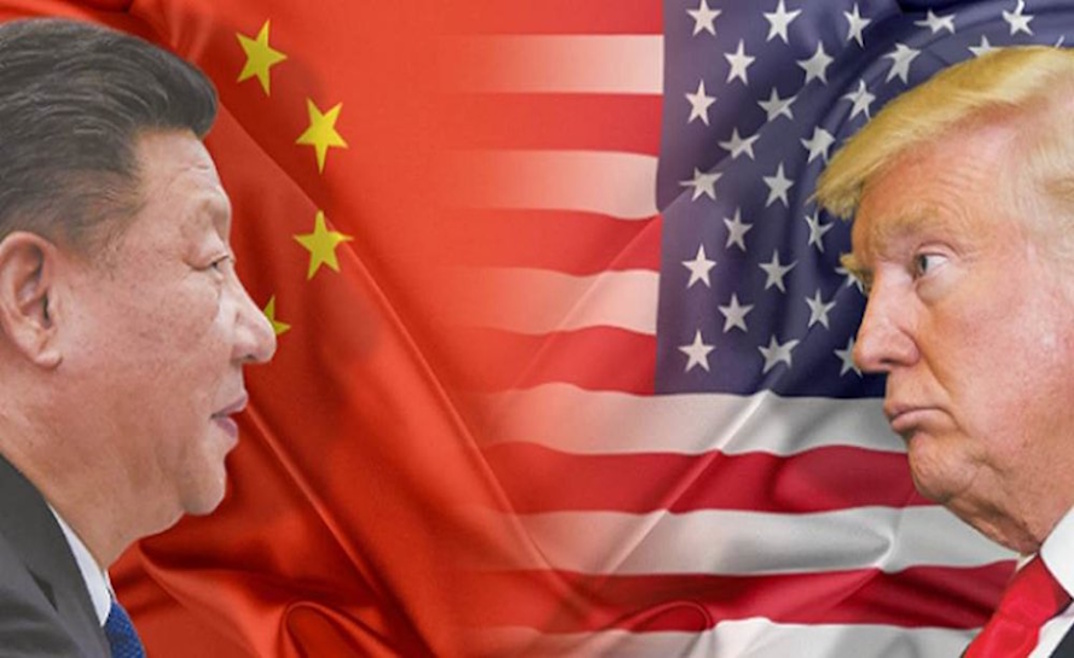
China is intensifying its diplomatic engagement in the Middle East as it seeks to contain the Iran conflict, carefully balancing its regional interests with preparations for a high-stakes summit between Xi Jinping and Donald Trump next month.
While Beijing has ramped up outreach efforts, some analysts argue that its activism reflects more symbolic positioning than decisive statecraft.
A Delicate Balancing Act
According to a Reuters report, China is walking a diplomatic tightrope attempting to push for de-escalation in the Iran war without alienating Tehran, even as it seeks to stabilize relations with Washington. The planned mid-May summit between Xi and Trump is shaping Beijing’s broader foreign policy posture.
As the world’s largest crude oil importer, China depends on the Middle East for roughly half of its energy needs. This reliance has heightened Beijing’s urgency to prevent further disruption in the region, particularly as tensions escalate following the conflict involving the U.S., Israel, and Iran.
At the same time, China appears keen to preserve a constructive tone with Washington. Trump has publicly credited Beijing with encouraging Iran to participate in recent peace talks held in Pakistan—an acknowledgment that, while limited, signals China’s continued relevance in back-channel diplomacy.
Eric Olander of the China-Global South Project noted that such recognition “puts them in the room with negotiators, even if it’s not a seat at the table.”
Strategy Ahead of the Summit
Chinese officials are reportedly approaching Trump with a pragmatic strategy, viewing him as transactional and responsive to symbolic gestures. According to sources cited by Reuters, Beijing hopes to create a favorable atmosphere at the summit potentially advancing its interests on trade and easing tensions over sensitive issues such as Taiwan.
One insider described the prevailing view in Beijing as: “offer a red-carpet welcome and preserve strategic stability.”
The summit, expected on May 14–15, would mark the first visit by a sitting U.S. president to China in eight years.
Measured Response to Escalation
Despite increasingly sharp rhetoric from Washington—including Trump’s warning that Iran could be “taken out in one night”—China has refrained from direct criticism. Instead, its Foreign Ministry has adopted a cautious tone, expressing concern while urging all parties to de-escalate.
Xi broke his relative silence on the crisis by proposing a four-point peace plan centered on sovereignty, peaceful coexistence, adherence to international law, and balancing development with security.
Meanwhile, Foreign Minister Wang Yi has conducted nearly 30 diplomatic engagements aimed at securing a ceasefire. China’s special envoy, Zhai Jun, has toured key Gulf and Arab capitals—at one point traveling overland to avoid contested airspace, underscoring the conflict’s intensity.
Xi also used a meeting with Khaled bin Mohamed bin Zayed Al Nahyan to deepen ties with Gulf states, signaling a dual-track approach: maintaining relations with Iran while strengthening partnerships with its regional rivals.
Limits of Influence
Despite its diplomatic push, China’s influence over the conflict remains constrained. Unlike the United States, Beijing lacks a significant military presence in the Middle East, limiting its ability to enforce outcomes.
Analysts suggest that Iran’s dependence on China particularly as an economic and diplomatic partner gives Beijing some leverage, but not enough to decisively shape Tehran’s strategic decisions.
Drew Thompson of the S. Rajaratnam School of International Studies described China’s ideal outcome as maintaining flexible, “no-strings-attached” relationships with countries like Iran while preserving space for cooperation with the United States.
Still, skepticism remains about the substance of China’s efforts. Patricia Kim of the Brookings Institution argues that Beijing has little appetite to act as a guarantor of peace, despite Iranian interest in such a role. Instead, China appears content to operate on the margins while the U.S. carries the primary burden of managing the crisis.
Economic Incentives and Realistic Expectations
Economic considerations may also shape the upcoming summit. China could signal goodwill by agreeing to major purchases of U.S. goods, including potentially large orders of aircraft from Boeing—a deal long delayed by regulatory and political hurdles as well as expanded agricultural imports.
However, expectations for the summit remain modest. Analysts anticipate a narrowly focused agenda, avoiding more contentious or complex issues such as artificial intelligence governance, market access, and industrial overcapacity.
Scott Kennedy of the Center for Strategic and International Studies summed up the outlook bluntly: “There is zero chance China will reach some sort of grand bargain with the United States.”
Optics vs. Outcomes
Ultimately, China’s diplomatic surge reflects a broader strategic calculation: to appear engaged and responsible on the global stage while avoiding deep entanglement in a volatile conflict.
Whether this approach yields tangible results or remains largely performative will depend on how events unfold both in the Middle East and at the negotiating table with Washington.
For now, Beijing seems intent on projecting influence without overcommitting carefully managing optics abroad while safeguarding its core interests at home.
Our Pashto-Dari Website

Support Dawat Media Center
If there were ever a time to join us, it is now. Every contribution, however big or small, powers our journalism and sustains our future. Support the Dawat Media Center from as little as $/€10 – it only takes a minute. If you can, please consider supporting us with a regular amount each month. Thank you
DNB Bank AC # 0530 2294668
Account for international payments: NO15 0530 2294 668
Vipps: #557320

Comments are closed.