

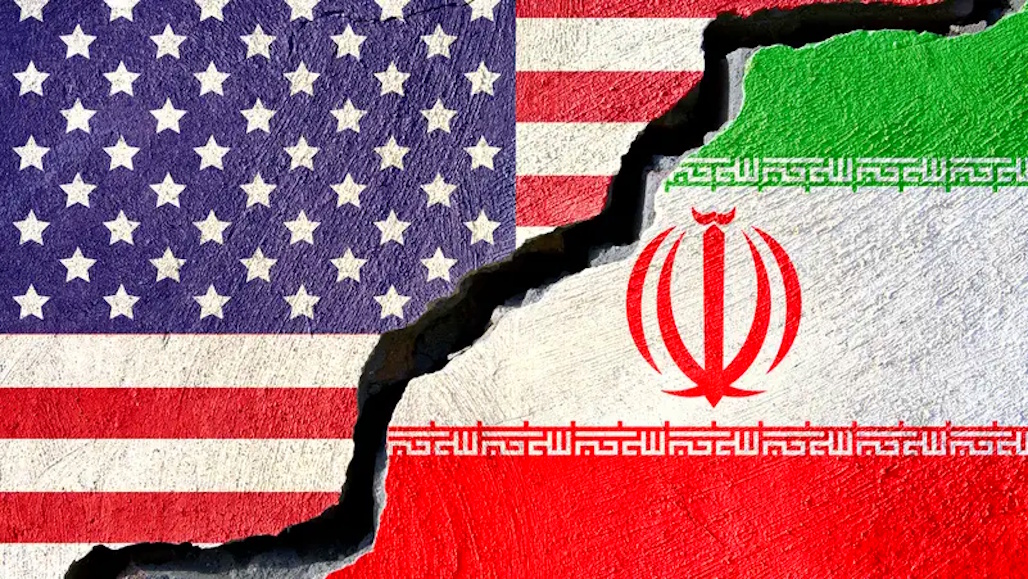
Washington and Tehran Send Mixed Signals as Negotiations Continue
The United States and Iran appear to be nearing a preliminary agreement aimed at extending the current ceasefire between the two countries for an additional 60 days, while also reducing tensions in the strategically vital Strait of Hormuz.
According to media reports published Friday, negotiators from both sides have reached a preliminary memorandum of understanding (MoU), although several key issues remain unresolved and final approval has not yet been granted.
A source familiar with the negotiations told media that a draft framework had been agreed upon in principle. However, the source said US President Donald Trump wanted additional time before making a final decision on signing the agreement.
Reuters, citing diplomatic and regional sources, reported that the proposed MoU includes two central provisions: extending the existing ceasefire for another 60 days and guaranteeing freedom of navigation through the Strait of Hormuz one of the world’s most important energy corridors through which nearly a fifth of global oil and gas supplies pass.
The agreement would reportedly provide both countries with additional time to negotiate more difficult issues, particularly Iran’s controversial nuclear program and broader regional security concerns.
Nuclear Issues Remain Major Obstacle
US Vice President JD Vance acknowledged Thursday that talks with Tehran were progressing but stressed that no final agreement had yet been reached.
“We’re very close, but we’re not there yet,” Vance told reporters. “There are still a couple of sticking points involving Iran’s enriched uranium stockpile and future enrichment activity.”
Vance added that Washington and Tehran continued to exchange revisions to the draft language.
“It’s hard to say exactly when or if the president is going to sign the MoU,” he said. “I can’t guarantee that we’re going to get there, but right now I feel pretty good about it.”
According to sources familiar with the talks, the preliminary framework would require Iran to formally pledge never to pursue nuclear weapons and begin discussions regarding the transfer or dismantling of its highly enriched uranium reserves.
In return, the United States would begin gradually easing sanctions on Iran, including restrictions on Iranian oil exports. Discussions are also reportedly underway concerning the release of billions of dollars in frozen Iranian assets held abroad.
The proposed arrangement would additionally require Iran to reopen shipping lanes in the Strait of Hormuz and begin removing naval mines allegedly deployed in the strategic waterway during recent escalations.
Meanwhile, Washington would suspend certain military operations around Iran and reduce pressure on Iranian maritime trade routes.
Tehran Denies Final Agreement Reached
Despite growing speculation that a deal may be imminent, Iranian officials have publicly downplayed reports suggesting that negotiations are complete.
Iran’s state-affiliated Tasnim News Agency quoted sources close to Tehran’s negotiating team as saying that the text of the agreement had neither been finalized nor officially approved.
According to the report, Iranian negotiators had not informed the Pakistani mediator involved in the talks that any binding agreement had been reached.
“If the text is truly finalized, Iran will announce the matter both to the Pakistani mediator and to the public,” the source said. “Until then, claims by Western sources that the issue has been finalized are not credible.”
The conflicting public statements highlight the fragile and highly sensitive nature of the negotiations, which remain vulnerable to military escalation and political pressure on both sides.
Recent Military Escalations Raised Fears of Wider Conflict
The diplomatic developments come after weeks of heightened military confrontation between the United States and Iran.
The US military recently announced that it had intercepted and destroyed several Iranian drones and struck a drone control facility near the southern Iranian port city of Bandar Abbas.
Iran’s Islamic Revolutionary Guard Corps (IRGC) responded by warning that any future attacks would trigger a “much harsher response.”
The latest phase of conflict, which erupted in late February, has reportedly left thousands dead across the region and caused severe instability in global energy markets, particularly due to fears surrounding disruptions in the Strait of Hormuz.
International observers have warned that any prolonged conflict between Washington and Tehran could significantly affect global oil prices and maritime security across the Gulf region.
Lebanon-Israel Talks Scheduled at Pentagon
Separately, Lebanese and Israeli officials are expected to participate in another round of negotiations Friday at the Pentagon in Washington.
The meeting follows three earlier rounds of diplomatic discussions held at the US State Department and the White House.
The Trump administration has intensified efforts to broker a formal agreement ending the decades-long state of war between Lebanon and Israel.
Although Lebanon and Israel have technically remained in a state of conflict for decades, tensions dramatically escalated after Hezbollah entered the Gaza war in support of Hamas by launching cross-border attacks against Israel.
Israel responded with large-scale military operations targeting Hezbollah infrastructure and leadership. The campaign resulted in the deaths of several senior Hezbollah commanders, including longtime leader Hassan Nasrallah and other founding members of the organization.
Hostilities intensified further earlier this year following the assassination of Iran’s supreme leader, which prompted additional Hezbollah rocket attacks against Israeli territory.
Israel has since expanded military operations in southern Lebanon, destroying dozens of villages and advancing deeper into Lebanese territory amid growing fears of a broader regional war.
Uncertain Path Ahead
Despite cautious optimism surrounding the proposed ceasefire extension, major uncertainties remain.
Key disagreements over Iran’s nuclear enrichment capabilities, regional proxy conflicts, sanctions relief, and long-term security guarantees continue to complicate negotiations.
Diplomatic observers say the coming days will likely determine whether the current framework evolves into a formal agreement or collapses under renewed military pressure.
For now, both Washington and Tehran appear eager to avoid a full-scale regional war, even as mistrust between the two adversaries remains deeply entrenched.
Support Dawat Media Center
If there were ever a time to join us, it is now. Every contribution, however big or small, powers our journalism and sustains our future. Support the Dawat Media Center from as little as $/€10 – it only takes a minute. If you can, please consider supporting us with a regular amount each month. Thank you
DNB Bank AC # 0530 2294668
Account for international payments: NO15 0530 2294 668
Vipps: #557320

Comments are closed.