

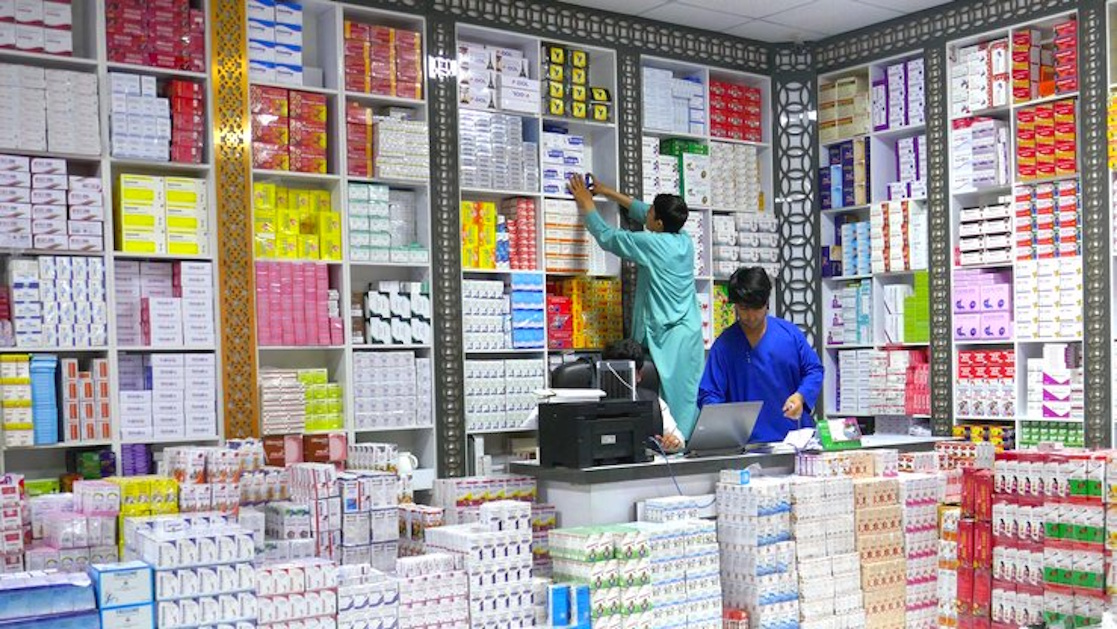
A delegation representing Afghanistan’s pharmaceutical sector has signed a $5 million agreement with five leading pharmaceutical companies in Uzbekistan to import medicines and medical products into Afghanistan, officials confirmed.
The agreement was finalized during a visit to Tashkent by a 35-member delegation from Afghanistan’s northern Balkh province. The visit was organized to strengthen economic cooperation and expand pharmaceutical trade between the two neighboring countries.
According to officials at the Balkh Chamber of Commerce and Investment, the newly signed contracts are expected to significantly increase the availability of medicines in Afghanistan and could help meet up to 25 percent of the country’s pharmaceutical demand through imports from Uzbekistan.
Mohammad Sadiq Mohammadi, head of the Pharmaceutical Union in Balkh, said that Afghan and Uzbek companies successfully concluded contracts worth nearly $5 million for the supply of a wide range of medicines to Afghan markets.
“The agreements mark an important step toward improving access to quality medicines and strengthening trade relations between Afghanistan and Uzbekistan,” Mohammadi said.
Officials from the Balkh Chamber of Commerce and Investment described Uzbek pharmaceutical products as both affordable and reliable, making them an attractive option for Afghan importers. They noted that increased cooperation with Uzbek manufacturers could help address medicine shortages and improve the stability of pharmaceutical supplies across the country.
Economic analysts welcomed the agreements, highlighting the growing reputation of Uzbekistan’s pharmaceutical industry for producing quality medicines at competitive prices. However, they also stressed the need for Afghanistan to invest in and expand its own pharmaceutical manufacturing sector in order to reduce long-term dependence on imports.
“While importing medicines is necessary to meet immediate healthcare needs, Afghanistan should simultaneously focus on developing domestic production capacity, creating jobs, and strengthening its healthcare infrastructure,” one analyst said.
Afghanistan remains heavily dependent on imported medicines, with the majority of pharmaceutical products entering the country from neighboring and regional markets. In recent years, trade disruptions and reduced imports from Pakistan have encouraged Afghan businesses to seek alternative sources of medicines, including Uzbekistan, India, and several Central Asian countries.
The latest agreement reflects the deepening economic ties between Afghanistan and Uzbekistan, which have expanded cooperation in trade, energy, transportation, and infrastructure projects in recent years. Officials from both countries have expressed optimism that stronger commercial partnerships will contribute to regional economic integration and improve access to essential goods and services for their populations.
Healthcare experts believe that a diversified supply chain for medicines will help Afghanistan improve the resilience of its healthcare system, ensuring more consistent access to essential drugs for hospitals, clinics, and pharmacies across the country.
Our Pashto-Dari Website

Support Dawat Media Center
If there were ever a time to join us, it is now. Every contribution, however big or small, powers our journalism and sustains our future. Support the Dawat Media Center from as little as $/€10 – it only takes a minute. If you can, please consider supporting us with a regular amount each month. Thank you
DNB Bank AC # 0530 2294668
Account for international payments: NO15 0530 2294 668
Vipps: #557320

Comments are closed.