

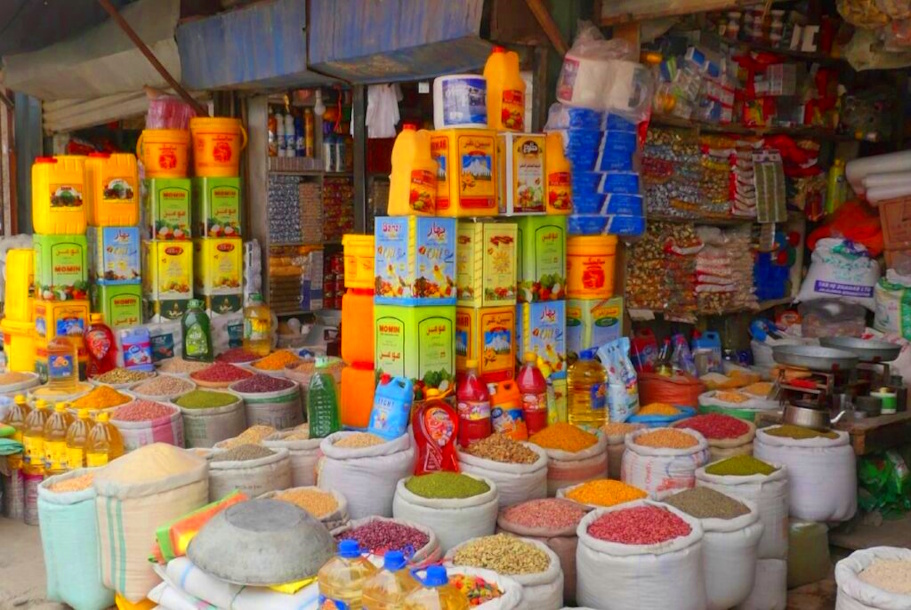
KABUL / ROME – Food prices in Afghanistan have jumped by as much as 47% over the past year, the United Nations World Food Programme (WFP) reported on [current date/month], issuing a stark warning about intensifying pressure on struggling households.
According to the WFP, staple commodities including rice, wheat, sugar, and cooking oil have recorded significant annual increases. While week-to-week price fluctuations have remained relatively stable, the sustained year-on-year rise is eroding the purchasing power of millions of Afghans already living on the edge.
Though markets across the country continue to function, they are increasingly hampered by rising transport costs and persistent supply chain disruptions. The WFP noted that trade routes have shifted toward western and northern corridors, with heavy reliance on the Islam Qala border crossing with Iran. This dependency has increased the risk of delays, customs bottlenecks, and higher logistical expenses.
Weak Labour Markets Compound the Crisis
Even as food becomes more expensive, income opportunities are shrinking. The WFP warned that weak labour markets are worsening the crisis, with average work availability dropping to less than two days per week per person. This sharp reduction in employment has severely limited families’ ability to afford even basic necessities, forcing many to skip meals or resort to less nutritious alternatives.
One of the World’s Worst Humanitarian Crises
Afghanistan continues to face one of the globe’s most severe humanitarian emergencies. According to UN estimates, approximately 22 million people more than half the population require urgent assistance. Malnutrition rates, particularly among children and pregnant women, remain dangerously high.
However, aid agencies are being forced to scale back. Recent international funding cuts have led the WFP and other organizations to reduce food assistance programmes, leaving millions at acute risk of hunger. The shortfall comes at a critical time, as winter approaches in many highland regions.
Returnees Add to Mounting Pressure
Compounding the situation is a growing influx of Afghan returnees from neighbouring Pakistan and Iran, driven by deportation drives and economic hardships in those countries. The sudden arrivals are increasing demand for already limited food supplies, clean water, shelter, and healthcare services. Local host communities, themselves struggling, are coming under additional strain.
Outlook: Rising Prices, Shrinking Aid, Few Jobs
“The convergence of rising food prices, reduced humanitarian aid, and vanishing jobs is creating a devastating cycle of hardship,” the WFP warned. “More and more Afghan families are being pushed deeper into food insecurity, with little respite in sight.”
The agency has called for urgent, sustained international support to prevent a full-scale hunger catastrophe. Without renewed funding and improved access to basic services, the WFP cautioned, millions of Afghans could face severe malnutrition and starvation in the coming months.
Our Pashto-Dari Website

Support Dawat Media Center
If there were ever a time to join us, it is now. Every contribution, however big or small, powers our journalism and sustains our future. Support the Dawat Media Center from as little as $/€10 – it only takes a minute. If you can, please consider supporting us with a regular amount each month. Thank you
DNB Bank AC # 0530 2294668
Account for international payments: NO15 0530 2294 668
Vipps: #557320

Comments are closed.