

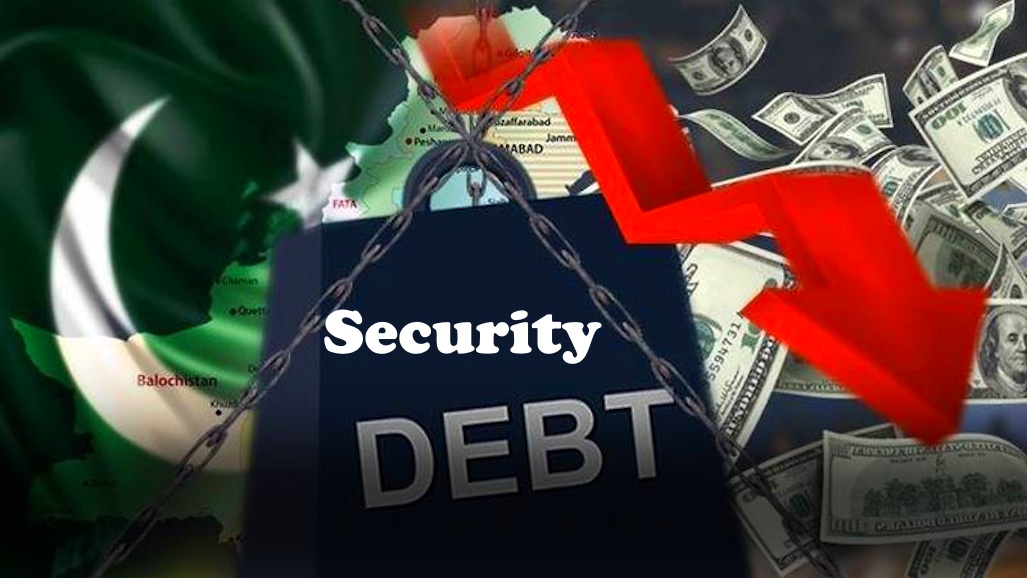
Pakistan is teetering on the edge of a precipice, gripped by a perfect storm of political, economic, and security crises that veteran observers describe as the most destabilizing in decades. In conversations held under strict anonymity due to fear of reprisal, a group of senior Pakistani journalists painted a stark picture for this reporter: a state where the military’s tightening grip is paralyzing politics, where economic lifelines are snapping, and where once-contained violence is metastasizing across the country.
The Shadow of the Garrison State
The most profound shift, according to these sources, is political. They report a near-total erosion of trust between political parties and the powerful military establishment. “The consensus now among political movements, both in power and in opposition, is that we are effectively living under a military regime,” one journalist explained. “The chilling part is that this didn’t require a formal coup. It has been a silent, incremental takeover.”
This control, they assert, is maintained through “illegitimate means,” including alleged judicial manipulation and the suppression of dissent. The fear is so pervasive that even nominal civilian authorities within the government are deeply anxious but remain “silent spectators,” compelled to mute their concerns. “They see the direction the country is heading, but speaking out is no longer an option,” another journalist said.
Security Unravels, From the Periphery to the Heartland
The deteriorating security situation underscores the state’s fraying control. Long-restive regions like Khyber Pakhtunkhwa (KP) and Balochistan continue to burn, but the violence is no longer confined to the periphery. It has crept into the country’s core.
“Punjab, the populous heartland, and even the northern territories of Gilgit-Baltistan are now witnessing audacious attacks,” a journalist with extensive security contacts noted. The numbers are alarming: attacks on military and police installations have doubled compared to last year. KP alone has seen over 200 additional incidents. In a single, shocking strike in Gilgit, four intelligence officers were killed. Key military bases in Punjab have also been targeted, signaling a bold new front by militant groups.
Some politicians and analysts directly link this escalating insecurity to the army’s own political maneuvers. “The military’s authoritarian and destabilizing policies for political control have created vacuums and resentments that armed groups are ruthlessly exploiting,” one journalist argued.
An Economy on Life Support
As security crumbles, so does the economy. The government, drowning in debt, is portrayed as chasing financial stopgaps instead of sustainable solutions. “Officials are celebrating the potential approval of another $2 billion loan like it’s a victory,” one journalist said with dismay. “It’s not a solution; it’s a sedative. They are misleading a public desperate for real relief.”
The economic bleeding is most acute along its trade routes. The vital commerce and transit link with Afghanistan—once a cheap and profitable export channel—has been severely constricted by Kabul’s closures. The consequences are visceral and devastating: Pakistani oranges rot in piles at border crossings, a potent symbol of wasted abundance. The pharmaceutical sector alone estimates losses of $200 million in recent days, with companies warning that prolonged closures will lead to outright collapse.
A Nation Alone
Compounding these internal failures is a deepening international isolation. As regional diplomacy realigns, Pakistan finds itself mired in disputes with most of its neighbors. Simultaneously, the democratic backsliding and the military’s overt authoritarianism have shattered global confidence.
This isolation has now taken a concrete, punitive form. In a significant move, 44 members of the U.S. Congress have called for sanctions on Prime Minister Shehbaz Sharif and Army Chief General Asim Munir. Their letter to Secretary of State Marco Rubio, demanding a response by December 17, catalogs a grim litany of abuses: opposition leaders detained without trial, independent journalists harassed or forced into exile, and social media users jailed for dissent. It singles out the “particularly alarming” situations in KP and Balochistan.
Perhaps the most telling sign of the overwhelming pressure, the journalists told Rana, is the uncharacteristic public frustration emanating from the military itself. Generates, traditionally stoic and behind-the-scenes, have begun voicing complaints in press conferences and on social media, lashing out at what they call “Afghan propaganda.” “It’s a sign of an institution feeling besieged, struggling to manage the multifaceted crisis its political choices have helped create,” the final journalist concluded. “The generals are complaining publicly because they, too, can see the abyss ahead.”
Our Pashto-Dari Website

Support Dawat Media Center
If there were ever a time to join us, it is now. Every contribution, however big or small, powers our journalism and sustains our future. Support the Dawat Media Center from as little as $/€10 – it only takes a minute. If you can, please consider supporting us with a regular amount each month. Thank you
DNB Bank AC # 0530 2294668
Account for international payments: NO15 0530 2294 668
Vipps: #557320

Comments are closed.