
Catastrophic Hunger Grips Afghanistan as Millions Face Starvation, Warns Red Cross

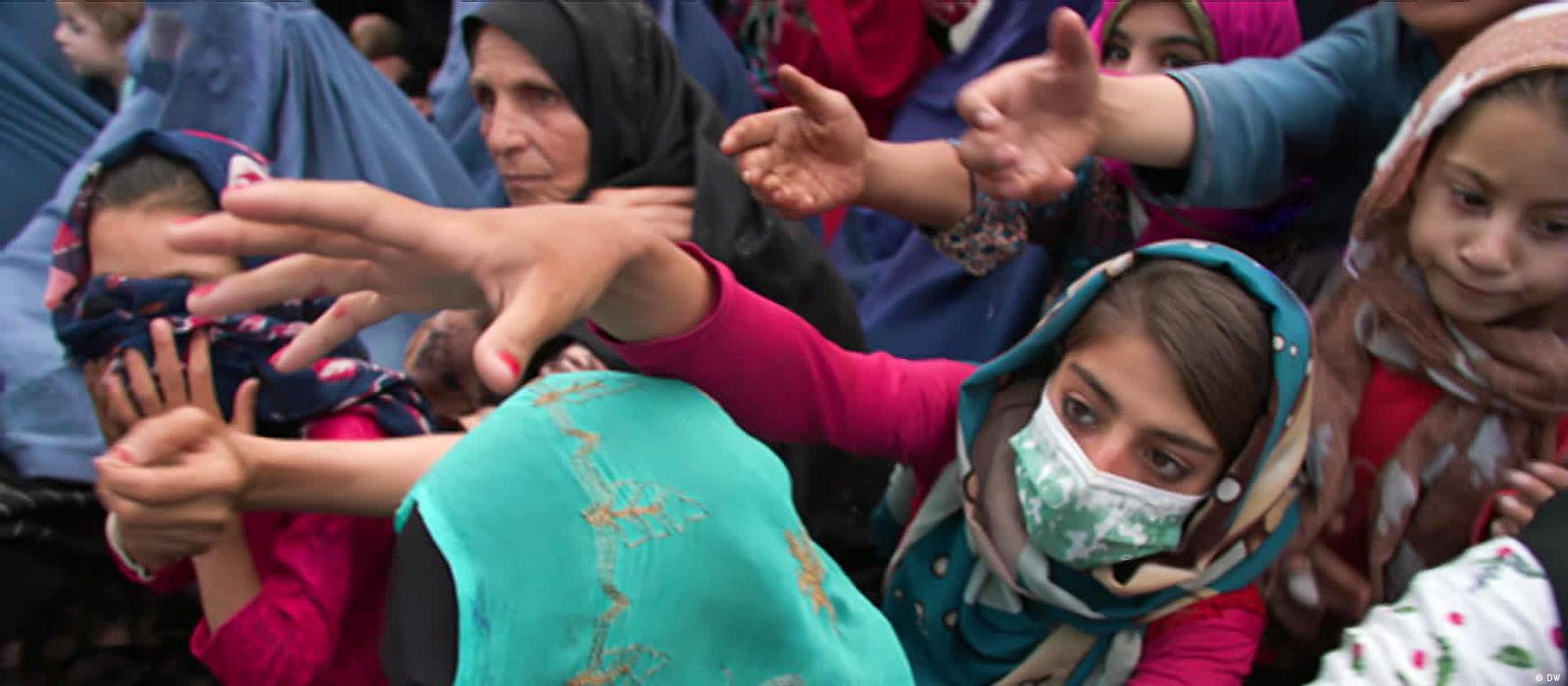
A staggering 4.7 million people in Afghanistan are now confronting acute hunger, according to a stark new report from the International Committee of the Red Cross (ICRC). The assessment, which details the devastating depth of the food crisis in several hard-hit provinces, serves as a grim indicator of a nationwide catastrophe.
The ICRC warns that overall, 17 million Afghans—nearly half the population—urgently require humanitarian food assistance. This figure underscores the scale of food insecurity engulfing the country after years of economic collapse, drought, and systemic shocks.
A Perfect Storm of Crises
Afghanistan’s descent into severe hunger is driven by a confluence of crippling factors:
-
Economic Collapse: With approximately 75% unemployment and nearly 90% of the population living below the poverty line, families have virtually no financial buffer.
-
International Isolation & Frozen Assets: The freezing of international assets and the sharp decline in development aid following the Taliban’s takeover have paralyzed the formal economy and public services.
-
Climate Shocks: Recurring droughts and natural disasters have decimated agricultural livelihoods, affecting both rural and urban communities.
-
Legacy of Conflict: Decades of war have eroded resilience, destroyed infrastructure, and displaced millions.
Findings Reveal Desperate Coping Mechanisms
The ICRC’s survey data paints a picture of profound desperation:
-
95% of those surveyed reported poor food consumption.
-
Families are resorting to severe survival strategies, including taking on crippling debt, selling essential assets, and delaying critical medical care to afford food.
-
Malnutrition rates among infants and young children are alarmingly high, with 3.7 million children under five already affected. Of these, one-third suffer from severe acute malnutrition, the most deadly form.
-
The crisis disproportionately impacts women, with 1.2 million pregnant and breastfeeding women projected to suffer from acute malnutrition in 2026.
Response and a Dire Warning
In response, the ICRC has scaled up emergency food support in provinces like Bamyan, Kunar, and Herat, targeting the most vulnerable households during the harsh winter. However, these efforts are a stopgap against a tidal wave of need.
Lisa Owen, ICRC’s head of delegation in Afghanistan, issued a grave warning: “Acute hunger is a persistent and daily threat for millions. Yet, deep funding shortages are now forcing cuts to our very lifesaving programs. Without an immediate increase in international support, we risk seeing starvation on a massive scale. The world must not look away.”
The report concludes that the Afghan hunger crisis is not merely a seasonal emergency but a protracted disaster, demanding sustained and scaled-up humanitarian commitment to prevent a catastrophic loss of life.
Our Pashto-Dari Website


Support Dawat Media Center
If there were ever a time to join us, it is now. Every contribution, however big or small, powers our journalism and sustains our future. Support the Dawat Media Center from as little as $/€10 – it only takes a minute. If you can, please consider supporting us with a regular amount each month. Thank you
DNB Bank AC # 0530 2294668
Account for international payments: NO15 0530 2294 668
Vipps: #557320

Comments are closed.