
Afghanistan Again Ranked World’s Unhappiest Country as Global Divide in Wellbeing Widens

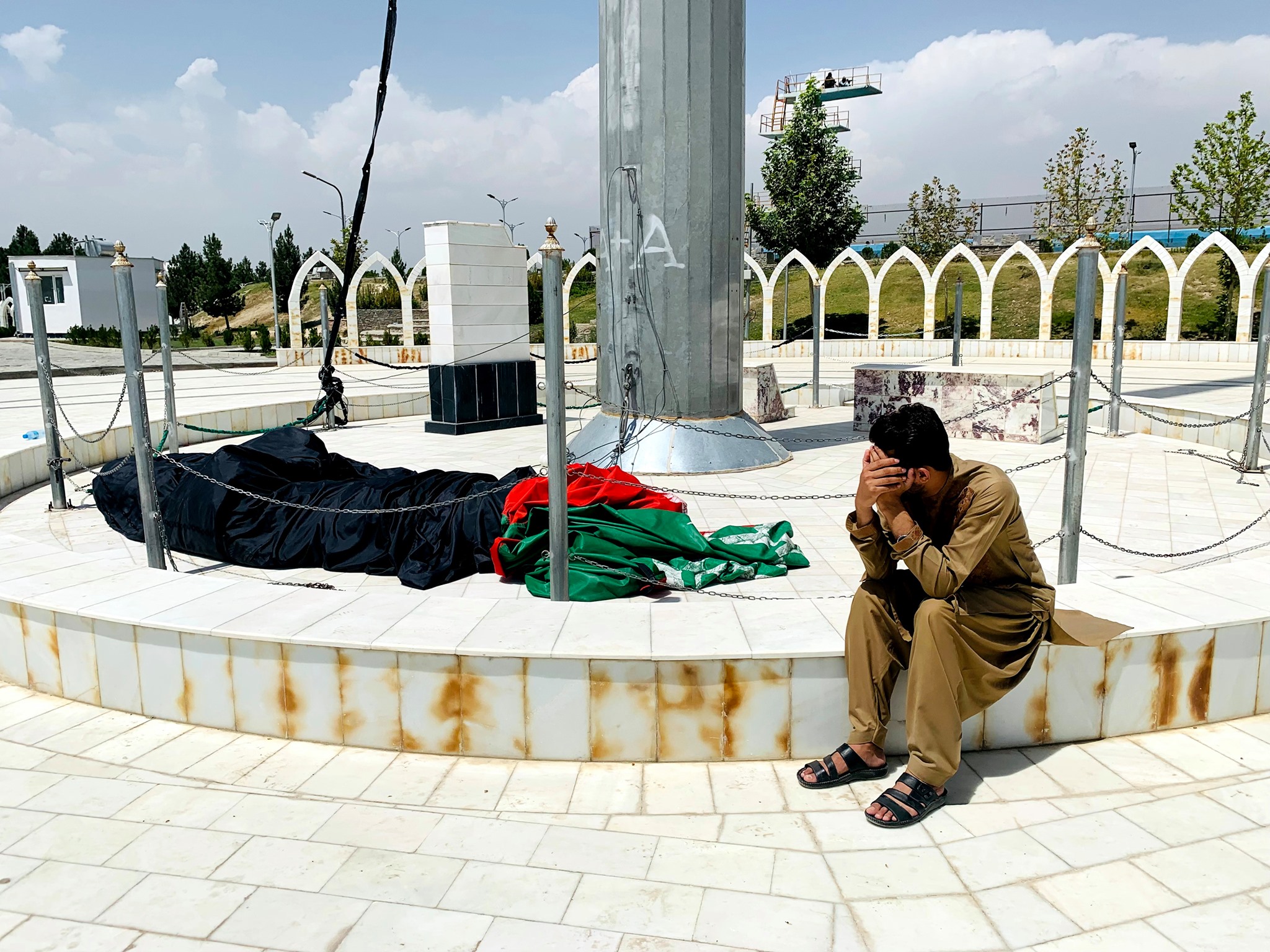
Afghanistan has once again been ranked the world’s unhappiest country, according to the latest World Happiness Report, marking a continued collapse in life satisfaction that stands in stark contrast to the stability found in top-ranked nations. Finland claimed the title of the happiest nation for the ninth consecutive year, extending its record as the country with the longest-running hold on the top position since the report’s inception.
The annual report, produced in partnership with Gallup, the University of Oxford’s Wellbeing Research Centre, and the U.N. Sustainable Development Solutions Network, draws on Gallup World Poll data collected from interviews with people in more than 147 countries. It evaluates life satisfaction through a combination of life evaluations and measures of positive and negative emotions, ranking countries using key factors such as quality of life, economic conditions, life expectancy, social freedom, trust, generosity, and confidence in government.
A Historic Low for Afghanistan
Afghanistan’s trajectory in the report has moved “in the opposite direction” since 2013, according to the findings, with this year’s data revealing unprecedented levels of despair. The country recorded the lowest level of positive emotions globally and was simultaneously among the five nations with the highest negative emotions. Afghanistan was the only country in the report to score below 3 points overall on the life evaluation scale—a metric out of 10—highlighting how far it has fallen behind even other low-ranking states.
The report places a sharp focus on the plight of Afghan women, who recorded the lowest average life satisfaction levels anywhere in the world. The average life evaluation for Afghan women stood at just 1.2 out of 10, a figure researchers say reflects the extreme hardship, erasure from public life, and systemic restrictions imposed under the Taliban regime. Since the group’s return to power in 2021, women have been progressively barred from secondary education, most forms of employment, and public spaces—factors that have profoundly deepened the country’s wellbeing crisis.
The Happiest Nations and a Historic Rise for Costa Rica
At the top of the ranking, Finland was joined by Iceland, Denmark, and Costa Rica, which rounded out the top four. Costa Rica’s rise to fourth place marked the best result ever recorded for a Latin American country in the report’s history—a shift analysts attribute to strong social connections, environmental consciousness, and robust community wellbeing. Sweden, Norway, the Netherlands, Israel, Luxembourg, and Switzerland also placed in the global top 10, continuing the dominance of Nordic countries in the upper echelons.
The divide between the top and bottom of the list underscores a broader global trend identified in this year’s report: while happiness levels have remained relatively stable in most developed nations, the gap between the happiest and unhappiest countries has widened, driven largely by conflict, humanitarian crises, and deepening inequality.
The Bottom of the Ranking
At the opposite end of the spectrum, Sierra Leone was ranked the second unhappiest country, with a score of 3.2, followed by Botswana, Zimbabwe, and Malawi—all of which face overlapping challenges related to political instability, economic hardship, and public health crises. Afghanistan’s score, however, stood alone in its severity, with researchers noting that no other country came close to its level of collective distress.
Broader Implications
The findings add to a growing body of international evidence showing deep distress across Afghan society, especially among women. Researchers have repeatedly linked low wellbeing in the country to insecurity, economic collapse, sweeping social restrictions, weak public trust, and the systematic loss of opportunities—conditions that have worsened dramatically over the past three years. While the Taliban government has called for international recognition and engagement, the report suggests that from the perspective of its citizens—particularly its female population—Afghanistan remains a country where daily life is defined by hardship, fear, and very limited hope for improvement.
The report’s release comes as global policymakers increasingly use wellbeing metrics alongside traditional economic indicators to assess national progress. For Afghanistan, the latest ranking is not merely a statistical low point but a stark measure of a human crisis that continues to deepen, with little sign of reversal on the horizon.
Our Pashto-Dari Website

Support Dawat Media Center
If there were ever a time to join us, it is now. Every contribution, however big or small, powers our journalism and sustains our future. Support the Dawat Media Center from as little as $/€10 – it only takes a minute. If you can, please consider supporting us with a regular amount each month. Thank you
DNB Bank AC # 0530 2294668
Account for international payments: NO15 0530 2294 668
Vipps: #557320

Comments are closed.