
FAO Warns Water Shortages and Extreme Heat Intensify Pressure on Afghanistan’s Agriculture

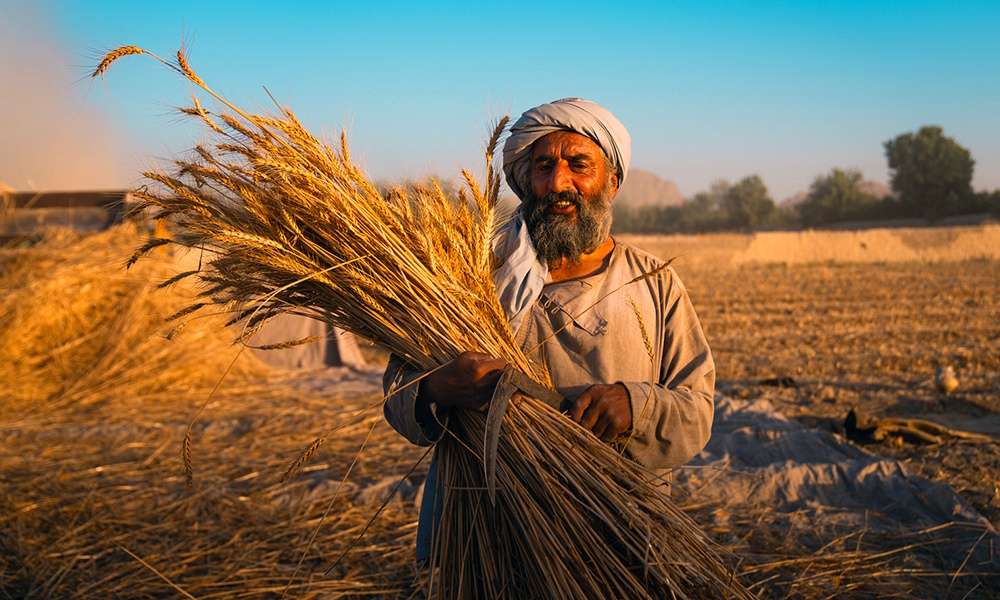
The Food and Agriculture Organization of the United Nations (FAO) has issued a stark warning that persistent water shortages and above-average temperatures are placing mounting pressure on summer crops and rangelands across Afghanistan, threatening the livelihoods of millions of smallholder farmers and pastoralists.
In its August 2026 outlook for Afghanistan’s 2026/27 agricultural season, the FAO assessed current conditions and near-term prospects by synthesizing climate forecasts, satellite-derived remote-sensing data, and first-hand consultations with farming communities in all 34 provinces. The assessment reveals a concerning picture: many regions are experiencing below-normal soil moisture levels and reduced river flows, exacerbating the already fragile agricultural landscape after decades of conflict and climate volatility.
The agency emphasized that the combined effect of acute water deficits and unseasonably high temperatures is severely stressing both rain-fed and irrigated summer crops particularly wheat, barley, and maize while also degrading natural grazing pastures essential for livestock. With nearly 80% of Afghanistan’s population reliant on agriculture and animal husbandry for their primary income and food sources, these compounding pressures could deepen food insecurity and drive further displacement from rural areas.
Compounding the environmental challenges, the FAO warned that persistently high global fertilizer prices are likely to constrain farmers’ purchasing power ahead of the critical winter wheat planting season. Without affordable access to essential inputs, many households may reduce sown areas or forgo fertilization altogether, potentially dampening next year’s harvest and perpetuating a cycle of low yields and high dependency on humanitarian aid.
Looking toward the winter and spring of 2026–2027, the report notes that a strengthening El Niño event, coupled with the possible development of a positive Indian Ocean Dipole, could bring above-average precipitation to parts of Afghanistan. Such conditions would offer a potential reprieve by replenishing reservoirs, recharging groundwater, and improving soil moisture, which could significantly boost cropping and grazing prospects.
However, the FAO cautioned that heavy or erratic rainfall carries its own perils. Increased precipitation could heighten the risk of flash floods, landslides, and waterlogging, which have historically caused extensive crop damage, livestock losses, and destruction of vital rural infrastructure such as irrigation canals and roads. In a landscape already stripped of much of its natural vegetation, the threat of flood-induced soil erosion is also significant.
In light of these mixed and highly uncertain projections, the agency stressed that the latest outlook underscores the urgent need for robust, multi-seasonal monitoring, early warning systems, and anticipatory action. It called on national authorities, humanitarian partners, and donor agencies to scale up timely, location-specific climate and agricultural advisories delivered through radio, mobile networks, and community extension workers to empower farmers and herders with practical, actionable information. Such measures, the FAO argued, are essential to enable proactive preparedness, protect vulnerable livelihoods, and build long-term resilience against Afghanistan’s intensifying climate shocks.
Our Pashto-Dari Website

Support Dawat Media Center
If there were ever a time to join us, it is now. Every contribution, however big or small, powers our journalism and sustains our future. Support the Dawat Media Center from as little as $/€10 – it only takes a minute. If you can, please consider supporting us with a regular amount each month. Thank you
DNB Bank AC # 0530 2294668
Account for international payments: NO15 0530 2294 668
Vipps: #557320

Comments are closed.