

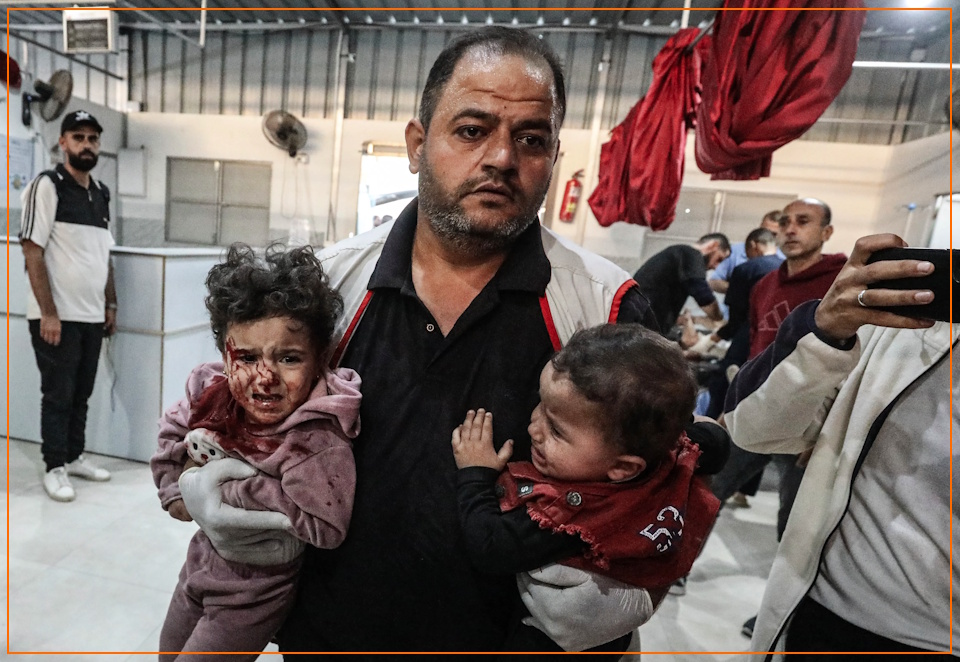
Despite the official declaration of a ceasefire in Gaza 300 days ago, at least 300 children have been killed in the enclave since that agreement took hold, the United Nations Children’s Fund (UNICEF) reported on Friday. The grim milestone averaging one child death per day has prompted renewed international outcry and raised urgent questions about the true meaning of “ceasefire” on the ground.
The UN Office in Geneva relayed the figures during a press briefing, citing Louise Wateridge, a UNICEF spokesperson, who delivered a stark message: “The world calls it a ceasefire, but families in Gaza are still burying their children.” Wateridge emphasized that the violence has not ceased for the youngest and most vulnerable, with airstrikes, unexploded ordnance, and sporadic clashes continuing to claim young lives.
According to UNICEF data, the 300 child fatalities include infants, toddlers, and teenagers, many of whom were killed in residential areas, near schools, or while attempting to access humanitarian aid. The actual number, Wateridge cautioned, may be higher, as many bodies remain trapped under rubble or in areas inaccessible to rescue teams due to ongoing insecurity and damaged infrastructure.
Beyond the direct toll of violence, Wateridge painted a harrowing picture of daily life for Gaza’s 1.1 million children. She described families living in cramped tents, often with no running water, electricity, or sanitation, enduring sweltering summer heat and freezing winter nights with scarce fuel or blankets. “Children are not only dying from bullets and shrapnel,” she said. “They are dying slowly from malnutrition, dehydration, and preventable diseases—because the basics of life have been stripped away.”
The healthcare system, already fragile before the conflict, has all but collapsed. Wateridge noted that the majority of hospitals in Gaza have been either partially or completely destroyed, while those still functioning are overwhelmed and running on emergency generators with dwindling fuel supplies. Critical shortages of pediatric medicines, vaccines, surgical supplies, and anesthetic agents mean that even minor injuries or common childhood illnesses can quickly become fatal. “We have seen children with treatable infections die because antibiotics were simply not available,” she added.
Malnutrition rates among children under five have soared, with UNICEF reporting a sharp increase in acute wasting and stunting over the past ten months. Aid deliveries, while ongoing, have been severely hampered by border restrictions, bureaucratic delays, and security risks to humanitarian convoys. Wateridge stressed that the current levels of food, water, and medical aid meet less than a third of the population’s minimum daily needs.
In her plea to the international community, Wateridge called for an immediate and genuine cessation of all hostilities, unfettered humanitarian access, and the reopening of border crossings for essential supplies. She also urged donor nations to fulfill and increase their funding pledges, warning that without sustained intervention, the death toll among children could rise exponentially in the coming months.
“Every child in Gaza has a name, a story, and a future that is being stolen from them,” Wateridge said. “We cannot call this a ceasefire when children are still dying at this rate. A true ceasefire must mean safety, survival, and the chance to grow up not just a pause in heavy bombardment.”
UNICEF has reiterated its commitment to remaining on the ground and providing psychological first aid, nutrition programs, and mobile health clinics, but stressed that these efforts are no substitute for lasting peace and the restoration of basic civil infrastructure. The organization has called on all parties to the conflict and their international backers to prioritize the protection of civilians, in line with international humanitarian law, and to ensure that children are never targeted or forgotten in times of war.
As the 300th day of the ceasefire passes, the question remains: How many more children must die before the world delivers on its promise of protection?
Our Pashto-Dari Website

Support Dawat Media Center
If there were ever a time to join us, it is now. Every contribution, however big or small, powers our journalism and sustains our future. Support the Dawat Media Center from as little as $/€10 – it only takes a minute. If you can, please consider supporting us with a regular amount each month. Thank you
DNB Bank AC # 0530 2294668
Account for international payments: NO15 0530 2294 668
Vipps: #557320

Comments are closed.