
ICRC Warns of Worsening Water Crisis in Afghanistan as Millions Struggle for Access

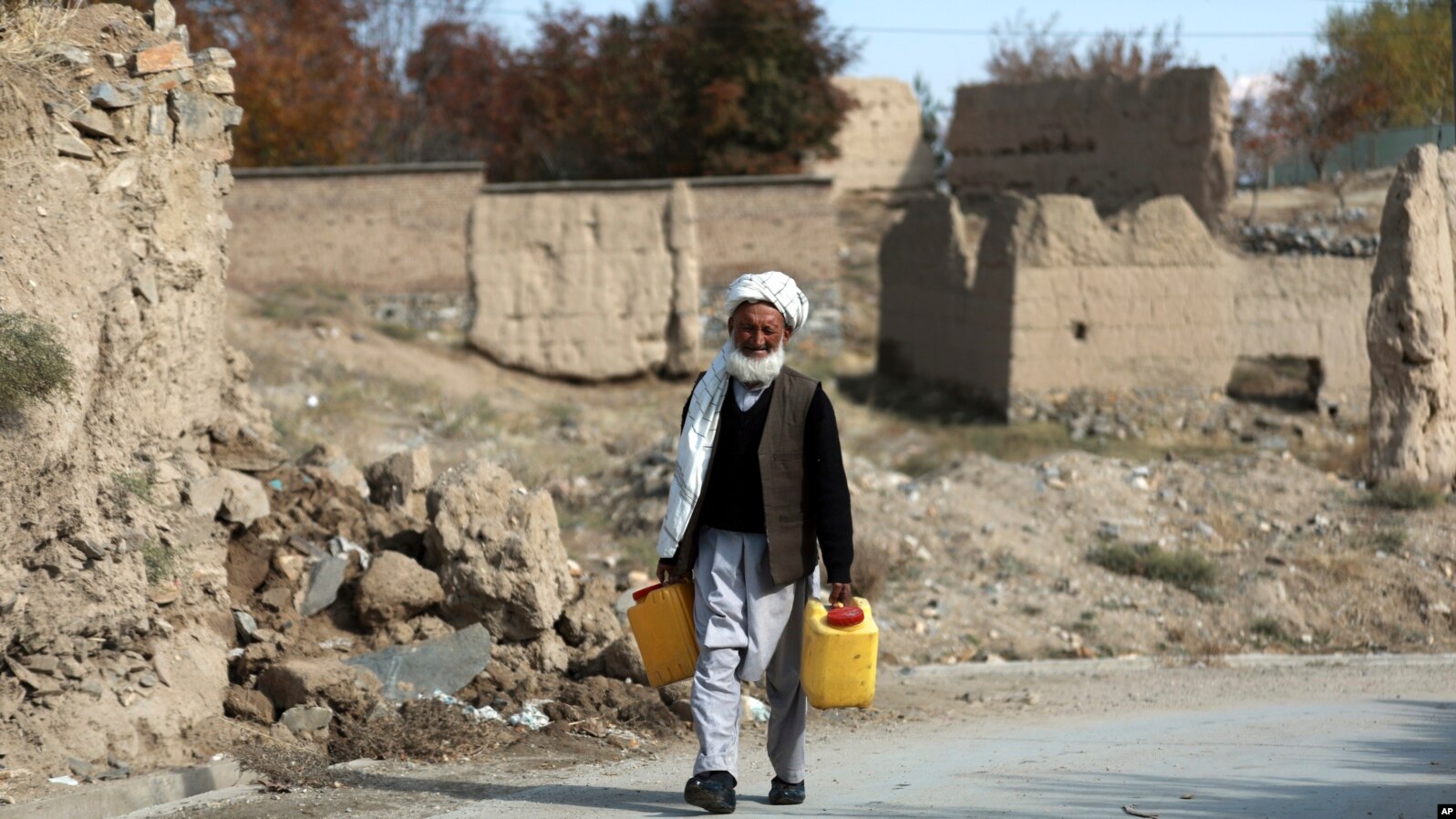
The International Committee of the Red Cross (ICRC) has warned that Afghanistan’s water crisis is intensifying, placing mounting pressure on already vulnerable communities and raising concerns about a deepening humanitarian emergency.
In a statement released on Sunday, the ICRC reported that it helped provide access to safe drinking water for nearly one million people across Afghanistan in 2025. However, the organization emphasized that this represents only a fraction of those in urgent need, as vast areas of the country remain without reliable water infrastructure.
The ICRC noted that women and children bear the heaviest burden of the shortages, often spending hours each day collecting water from distant or unsafe sources. This daily struggle not only exposes them to physical risks but also limits opportunities for education, livelihoods, and family care—reinforcing cycles of poverty and inequality.
In many regions, families are forced to walk for hours simply to obtain clean drinking water, underscoring both the severity of the crisis and the collapse or absence of sustainable water systems. The organization warned that without immediate intervention, the situation could trigger increased displacement, public health crises, and heightened tensions over scarce resources.
The ICRC called for urgent action to address the growing shortage and prevent further humanitarian consequences, stressing that localized efforts must be complemented by long-term investments in water infrastructure and climate resilience.
The United Nations has previously warned that global water shortages disproportionately affect women and girls, increasing their vulnerability and daily workloada pattern starkly reflected in Afghanistan, where restrictive policies have further limited women’s access to aid, employment, and decision-making roles in water management.
Years of prolonged conflict, severe climate change impacts including recurrent droughts and unpredictable rainfall and underdeveloped or damaged infrastructure have significantly weakened Afghanistan’s water systems. The situation is further complicated by the country’s dependence on transboundary rivers, where upstream developments have reduced water flow without regional agreements in place.
The ICRC’s latest warning underscores the urgent need for coordinated, sustained efforts to tackle Afghanistan’s water crisis. With humanitarian needs already at historic levels, continued inaction risks deepening not only water scarcity but also food insecurity, malnutrition, and public health challenges across the country.
Our Pashto-Dari Website

Support Dawat Media Center
If there were ever a time to join us, it is now. Every contribution, however big or small, powers our journalism and sustains our future. Support the Dawat Media Center from as little as $/€10 – it only takes a minute. If you can, please consider supporting us with a regular amount each month. Thank you
DNB Bank AC # 0530 2294668
Account for international payments: NO15 0530 2294 668
Vipps: #557320

Comments are closed.