

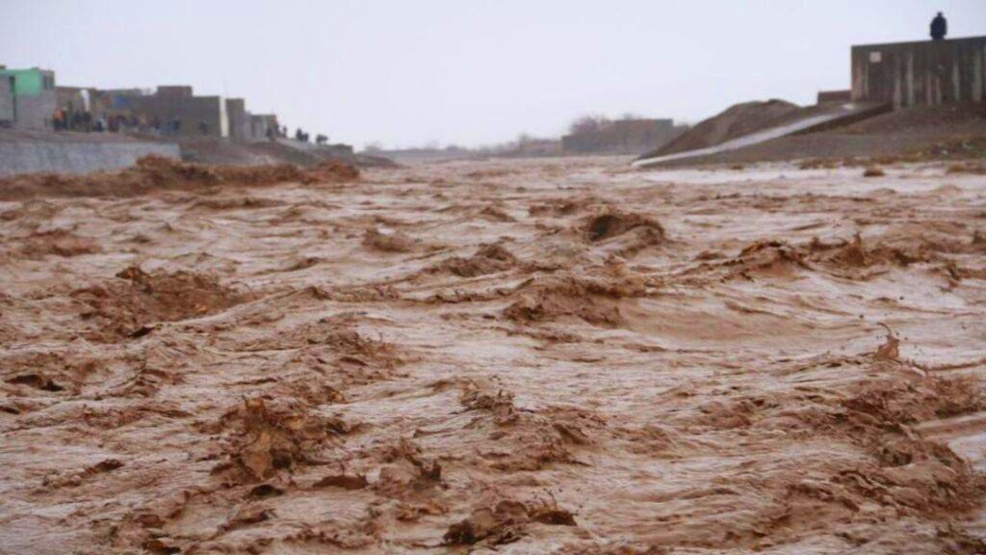
KABUL – Recent flash floods in eastern Afghanistan’s Nangarhar province have affected approximately 2,000 families, destroying or damaging homes, agricultural land, and essential infrastructure across several districts, the International Organization for Migration (IOM) reported.
In a statement released on Monday, the IOM said emergency relief items including tents, blankets, and basic food supplies have been distributed to affected families. Humanitarian teams continue to assess urgent needs in flood-hit communities, with many areas still inaccessible due to damaged roads and bridges.
According to the agency, heavy seasonal flooding swept through parts of Nangarhar, forcing many residents to flee their homes. The deluge wiped out livestock, standing crops, and household possessions, worsening the already dire humanitarian situation facing vulnerable families in the province, many of whom were previously displaced by conflict or drought.
The IOM added that additional humanitarian assistance is planned for at least 250 more families in Nangarhar as recovery and emergency response operations continue. Priority is being given to elderly people, women-led households, and families with young children.
Similar aid operations are also ongoing in the neighboring provinces of Laghman and Kunar, where recent flooding has caused significant damage to local communities, swept away roads, and contaminated water sources, raising concerns about waterborne diseases.
Growing Climate Vulnerability
Humanitarian agencies warn that extreme weather events including flash floods, prolonged droughts, and harsh winters have increasingly affected Afghanistan in recent years. These disasters place enormous pressure on millions of people already struggling with poverty, food insecurity, and displacement after decades of war.
The United Nations previously reported that recent flooding across multiple Afghan provinces has affected more than 73,000 people. Thousands of families remain in urgent need of shelter, food assistance, clean drinking water, and medical support following widespread destruction.
Aid organizations have repeatedly cautioned that Afghanistan remains one of the most climate-vulnerable countries in the world due to weak infrastructure, limited disaster-response capacity, and ongoing economic difficulties. The collapse of basic public services and restrictions on female aid workers have further hampered relief efforts in some areas, exacerbating the crisis for already marginalized communities.
As the floodwaters recede, the IOM and partner agencies are calling for increased international funding to support long-term recovery and disaster preparedness initiatives, warning that without sustained assistance, vulnerable families will struggle to rebuild their lives before the next round of seasonal flooding arrives.
Our Pashto-Dari Website

Support Dawat Media Center
If there were ever a time to join us, it is now. Every contribution, however big or small, powers our journalism and sustains our future. Support the Dawat Media Center from as little as $/€10 – it only takes a minute. If you can, please consider supporting us with a regular amount each month. Thank you
DNB Bank AC # 0530 2294668
Account for international payments: NO15 0530 2294 668
Vipps: #557320

Comments are closed.