

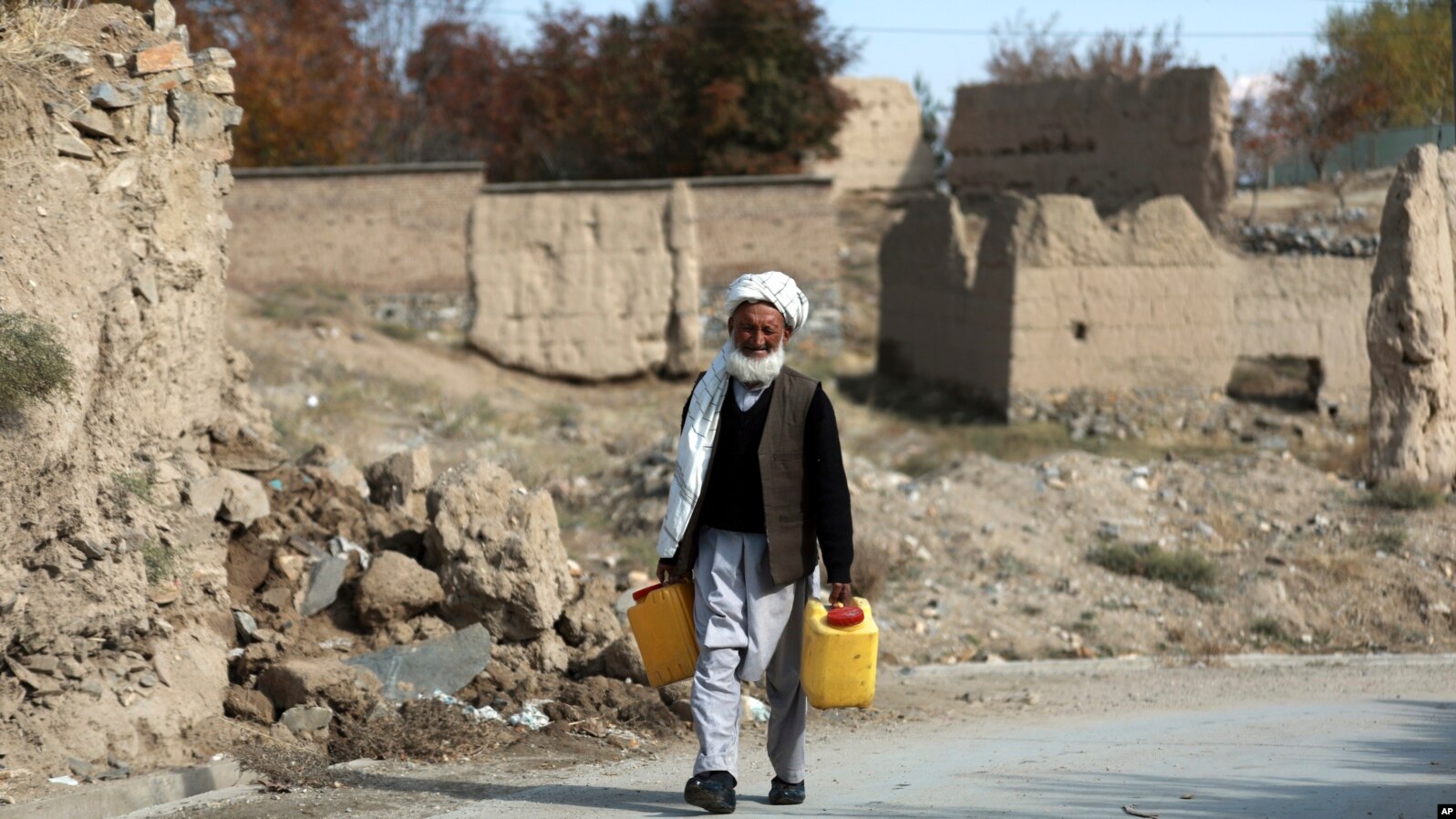
The United Nations Office for the Coordination of Humanitarian Affairs (OCHA) has issued a stark warning that an estimated 16 million people across Afghanistan roughly one-third of the country’s population will require urgent access to safe drinking water and basic sanitation services in 2026. The figure marks a significant increase from previous years and underscores how water scarcity has rapidly escalated from a seasonal challenge into a chronic, life-threatening emergency.
In a statement released on Monday, OCHA detailed the cascading impacts of the water deficit, noting that children are particularly vulnerable. “Water scarcity is exposing young children to greater risks of diarrheal diseases, malnutrition, and preventable infections,” the agency said, adding that disrupted access to clean water is forcing families to rely on unsafe sources, such as untreated rivers and shallow wells, which heighten the risk of cholera and other waterborne illnesses. Daily life, from cooking to personal hygiene, has become a relentless struggle, with many communities adopting “desperate coping mechanisms” – including reducing meals, skipping bathing, and pulling children out of school to help fetch water from distant sources.
A Perfect Storm of Drought, Neglect, and Poverty
Afghanistan is no stranger to aridity, but the current crisis is driven by a confluence of factors: recurring and intensifying droughts linked to climate change, decades of underinvestment in water-management infrastructure (including dams, canals, and groundwater recharge systems), and widespread poverty that leaves millions unable to afford private water deliveries or install household storage tanks. According to the UN’s Food and Agriculture Organization (FAO), over 60% of the country’s districts are now experiencing “severe” or “catastrophic” water stress, with rain-fed agriculture – the livelihood of nearly 80% of the population facing collapse in several northern and central provinces.
Humanitarian agencies have repeatedly warned that climate-related shocks are compounding existing vulnerabilities. Warmer winters have reduced snowpack in the Hindu Kush mountains, which traditionally feed Afghanistan’s river systems, while erratic rainfall patterns have made planting seasons unpredictable. “What we’re seeing is not a one-off drought, but a structural shift toward a drier, more volatile climate,” said an OCHA spokesperson. “For rural families who have already sold livestock and taken on crippling debt to buy water, there is little buffer left.”
A Humanitarian Crisis on the Brink
The water warning arrives as Afghanistan grapples with a broader humanitarian catastrophe: economic freefall since the 2021 political transition, persistent food insecurity that affects nearly 15 million people, and a sharp decline in international aid with funding for 2025 falling short by over 40% of requested needs, according to the UN’s 2025 Humanitarian Response Plan. Aid organizations on the ground report that reduced donor contributions have forced them to scale back or shutter water-trucking operations, repair programs for broken hand pumps, and hygiene-promotion campaigns in hard-to-reach rural areas. In some provinces, clinics have reported a 30% rise in acute watery diarrhea cases among children under five compared to the same period last year, a direct consequence of unsafe drinking water.
Provincial Hotspots and Long-Term Projections
According to UN agency reports, the worst-affected provinces include Kandahar, Helmand, Nimroz, and Badghis in the south and west, where groundwater tables have dropped by up to 15 meters in the past decade, and Balkh, Samangan, and Sar-e-Pol in the north, where rivers have run dry for months at a time. Displacement is already accelerating: over 120,000 people were forced to leave their homes due to water scarcity and drought-related crop failure in 2025 alone, with many relocating to already overcrowded urban centers like Herat and Mazar-i-Sharif, where municipal water systems are equally overwhelmed. Experts caution that continued population growth Afghanistan’s population is projected to reach 45 million by 2030 will further strain finite aquifers and river basins, potentially triggering more intense inter-communal conflict over water access.
A Call for Urgent, Sustained Action
In response, humanitarian organizations are urging the international community to move beyond short-term emergency aid and invest in long-term, climate-resilient water infrastructure including solar-powered boreholes, small-scale rainwater harvesting systems, rehabilitation of ancient karez underground irrigation channels, and modernizing irrigation networks to reduce waste. They also stress the need for integrated water-resource management that involves local communities in planning and maintenance, as well as capacity-building for Afghan technical staff, who have faced brain drain and funding cuts.
“Without a dramatic scale-up in support both financial and technical we risk not only a health and hunger catastrophe but also a generation of children whose futures are stunted by thirst and disease,” said the OCHA statement. “The 16 million figure is not a statistic; it is a count of human lives hanging in the balance. The time for pledges is over we need concrete, funded action now.”
The UN has appealed for $900 million specifically for water, sanitation, and hygiene (WASH) programs as part of its broader 2026 humanitarian request for Afghanistan, but as of today, less than 15% of that sum has been pledged. With winter approaching and snowmelt next spring uncertain, the window for preventive action is rapidly closing.
Our Pashto-Dari Website

Support Dawat Media Center
If there were ever a time to join us, it is now. Every contribution, however big or small, powers our journalism and sustains our future. Support the Dawat Media Center from as little as $/€10 – it only takes a minute. If you can, please consider supporting us with a regular amount each month. Thank you
DNB Bank AC # 0530 2294668
Account for international payments: NO15 0530 2294 668
Vipps: #557320

Comments are closed.