
European Spy Chiefs Dismiss Prospect of US-Brokered Ukraine Peace Deal in 2026, Seeing Kremlin “Theater”

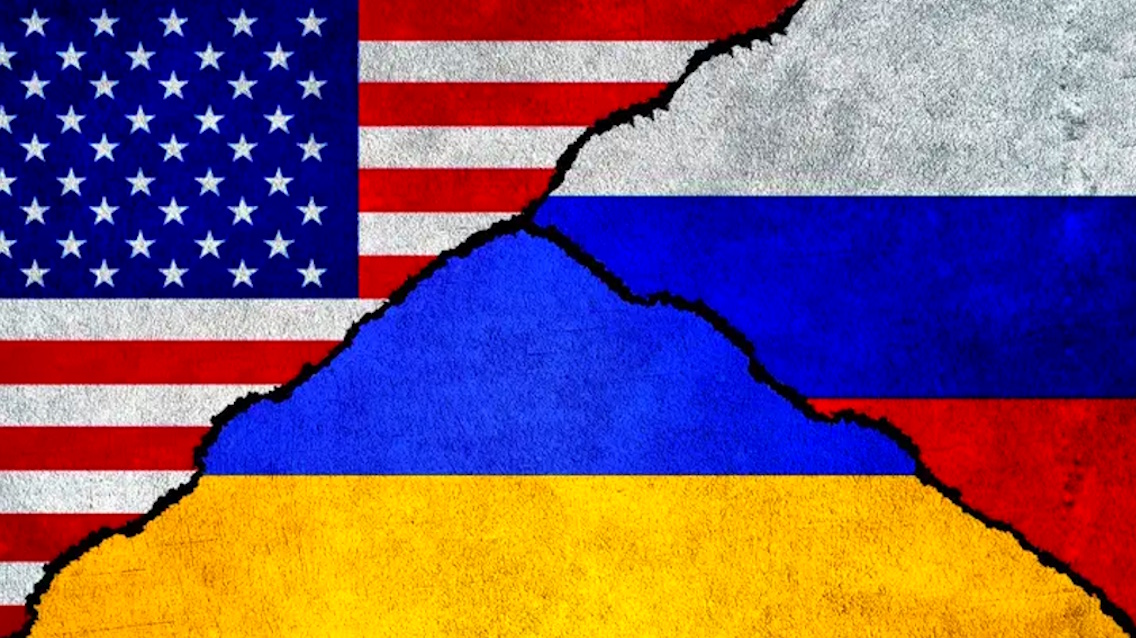
European intelligence agencies hold a deeply pessimistic view of the prospects for a peace deal ending Russia’s war in Ukraine this year, casting doubt on assertions from the Trump administration that a resolution is within reach. In a series of rare, coordinated interviews with Reuters, the heads of five European spy agencies described a stark transatlantic divide in assessing the Kremlin’s intentions, warning that Moscow is using talks with Washington as a smokescreen to advance its maximalist war aims.
The skepticism from Europe’s top intelligence officials stands in direct contrast to the timeline reportedly favored by the White House, which Ukraine believes is pushing for an agreement by June, ahead of the US congressional mid-term elections in November. While President Donald Trump has expressed confidence that Russian President Vladimir Putin is ready to make a deal, the European chiefs, speaking on condition of anonymity due to the sensitivity of their roles, painted a picture of a Kremlin playing for time.
“Russia is not seeking a peace agreement. They are seeking their strategic goals, and those have not changed,” one of the European intelligence chiefs stated. These objectives, the officials concurred, remain the removal of Ukrainian President Volodymyr Zelenskyy and the establishment of Ukraine as a permanent, “neutral” buffer state with no military ties to the West.
The latest round of US-mediated talks, held in Geneva this week, failed to bridge fundamental gaps, particularly over territory. Moscow insists Kyiv withdraw its forces from the remaining 20% of the eastern Donetsk region still under Ukrainian control—a demand Ukraine flatly rejects. One European official described the entire negotiation process as “negotiation theater,” designed by the Kremlin to create an illusion of diplomacy while it continues to press its offensive.
The Kremlin’s Calculus: Why Russia Isn’t Ready for Peace
A core finding of the European intelligence assessment is that the Kremlin believes it holds the stronger hand. A second intelligence chief emphasized that Russia neither wants nor needs a quick peace, pointing to an economy that is “not on the verge of collapse,” contrary to earlier Western predictions. While acknowledging stiffening financial headwinds, the officials noted that Moscow has adapted to sanctions and is relying on a “resilient society” to endure prolonged hardship.
Even if Russia were to secure the remainder of Donetsk, a third intelligence chief cautioned against seeing that as a path to peace. Such a concession, they argued, would not fulfill Russia’s core political objective of toppling Ukraine’s pro-Western government. “In the case of the Russians getting these concessions, I think that this is maybe the beginning of actual negotiations,” the official said, predicting Moscow would simply marshal its forces and present a new list of demands.
A Two-Track Strategy: War and Business
The intelligence chiefs revealed that Moscow is running a sophisticated two-track strategy. One track involves the public-facing negotiations on the war. The other, more covert track, focuses on striking bilateral business deals with the United States that would pave the way for the rollback of crippling economic sanctions.
According to Ukrainian intelligence, relayed by President Zelenskyy, US and Russian negotiators have discussed cooperation deals potentially worth as much as $12 trillion, proposed by Russian envoy Kirill Dmitriev. The second European spy chief suggested this offer is a calculated appeal to President Trump’s deal-making instincts and to Russian oligarchs. These elites have seen their wealth and influence constrained by sanctions and are seen as a key constituency whose loyalty Putin needs to retain, especially as Russia’s war economy faces growing difficulties.
The European officials expressed deep unease about the West’s capacity to navigate this complex landscape. One spy chief voiced concern over the “very limited” level of skill in negotiating with Russia across Western nations, implicitly criticizing the composition of the US team. The American side is led by Steve Witkoff, a real estate developer and longtime friend of Trump, and Jared Kushner, the US president’s son-in-law. While both have worked on other conflicts for the administration, they lack formal diplomatic training and specific expertise on Russia or Ukraine.
In response to the critical assessments, White House spokeswoman Anna Kelly dismissed anonymous criticism as unhelpful. “President Trump and his team have done more than anyone to bring both sides together to stop the killing and deliver a peace deal,” she said.
A Looming Economic Crossroads for Russia
Despite their bleak outlook on peace, the intelligence chiefs did note significant vulnerabilities within Russia. The third official pointed to “very high” financial risks materializing in the second half of 2026. These stem from Russia’s severely limited access to global capital markets due to sanctions, combined with prohibitively high domestic borrowing costs. The Central Bank of Russia’s key interest rate stands at 15.5 percent, stifling investment. Furthermore, the liquid portion of Russia’s National Wealth Fund—the “rainy day” fund used to cover budget deficits—has more than halved since the full-scale invasion began in 2022. With economic growth stagnating at just one percent last year, analysts suggest Russia’s economy is caught between stagnation and recession, a reality that could eventually force a change in strategic calculations, even if that moment has not yet arrived.
For now, however, the consensus from Europe’s spy chiefs is clear: Moscow sees time as an ally, not an enemy, and any notion of a quick peace deal is a dangerous illusion.
Our Pashto-Dari Website


Support Dawat Media Center
If there were ever a time to join us, it is now. Every contribution, however big or small, powers our journalism and sustains our future. Support the Dawat Media Center from as little as $/€10 – it only takes a minute. If you can, please consider supporting us with a regular amount each month. Thank you
DNB Bank AC # 0530 2294668
Account for international payments: NO15 0530 2294 668
Vipps: #557320

Comments are closed.