

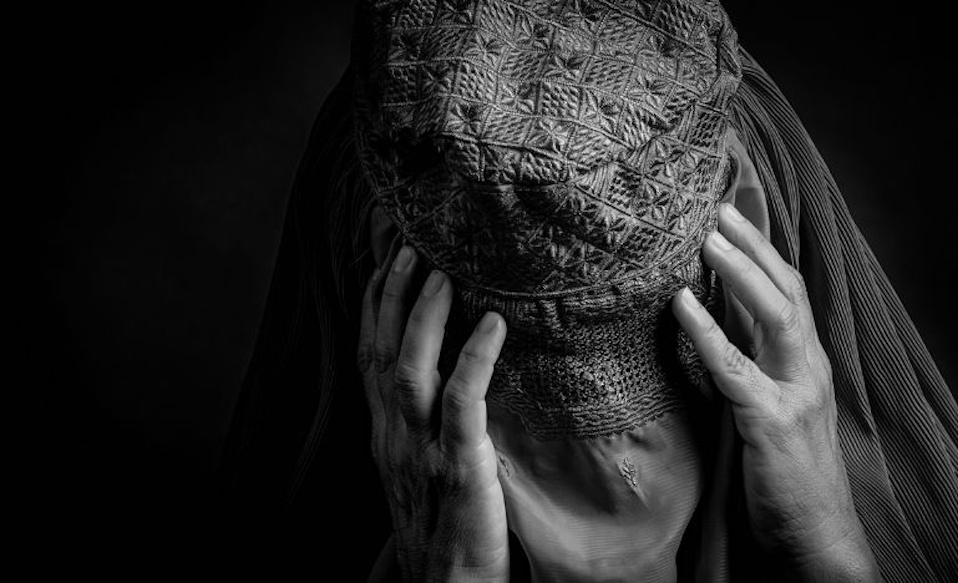
Afghanistan has once again been ranked the world’s unhappiest country, according to the latest World Happiness Report released on Saturday. For the second consecutive year, the nation sits at the very bottom of the global rankings, while Finland retains the top spot as the happiest country in the world.
The report, published by the Wellbeing Research Centre at the University of Oxford in partnership with Gallup and the UN Sustainable Development Solutions Network, ranks 147 nations based primarily on citizens’ own assessments of their lives. Finland, the report notes, remains “in a group of one at the top,” followed by Iceland in second place and Denmark in third. Costa Rica and Sweden rounded out the top five happiest nations.
At the opposite end of the scale, Afghanistan was ranked 147th behind Sierra Leone and Malawi with an average life evaluation of just 1.45 out of 10. Afghan women, in particular, reported especially severe levels of hardship, reflecting the deep gender-based disparities that have worsened since the Taliban’s return to power in 2021.
A Country in Crisis
Afghanistan also held the title of the world’s saddest country in last year’s report, underscoring a persistent and deepening struggle with low life satisfaction, deteriorating social conditions, and widespread hopelessness. The 2026 findings reaffirm that years of conflict, displacement, and economic collapse continue to weigh heavily on the daily lives of Afghans.
Since the Taliban takeover, the country has faced a cascade of crises: a severe liquidity crunch, the freezing of international assets, a sharp decline in foreign aid, and mounting food insecurity. These economic pressures have been compounded by sweeping social restrictions and a rapid erosion of personal freedoms.
Restrictions on Women and Girls Key Factor
Among the most critical drivers of Afghanistan’s low ranking are the widespread restrictions imposed on women and girls. The Taliban administration has barred girls from secondary school and university, severely limited women’s access to most forms of employment, and restricted their freedom of movement and participation in public life. These policies have not only crushed individual aspirations but have also stripped households of potential income and weakened entire communities.
Limited access to healthcare, the collapse of public services, and the continued threat of violence and displacement further contribute to the country’s deep unhappiness. The report notes that hope, wellbeing, and public confidence have fallen sharply across all demographics, with young people and women expressing the bleakest outlooks.
Global Context and Outlook
While the happiest nations — primarily in Northern Europe and parts of Latin America — continue to benefit from strong social safety nets, trust in institutions, and high levels of personal freedom, Afghanistan stands as a stark counterpoint. The World Happiness Report has consistently placed the country among the lowest-ranked nations in recent years, and experts see little chance of improvement without major political and economic shifts.
The latest ranking serves as both a statistical measure and a humanitarian warning: beyond the numbers lies a population enduring one of the most severe wellbeing crises in the modern world. As the international community remains divided over engagement with the Taliban, the people of Afghanistan continue to bear the heaviest cost.
Our Pashto-Dari Website

Support Dawat Media Center
If there were ever a time to join us, it is now. Every contribution, however big or small, powers our journalism and sustains our future. Support the Dawat Media Center from as little as $/€10 – it only takes a minute. If you can, please consider supporting us with a regular amount each month. Thank you
DNB Bank AC # 0530 2294668
Account for international payments: NO15 0530 2294 668
Vipps: #557320

Comments are closed.