
UN Warns Sudan’s Natural Resources Are Fueling Civil War as Factions Profit from War Economy

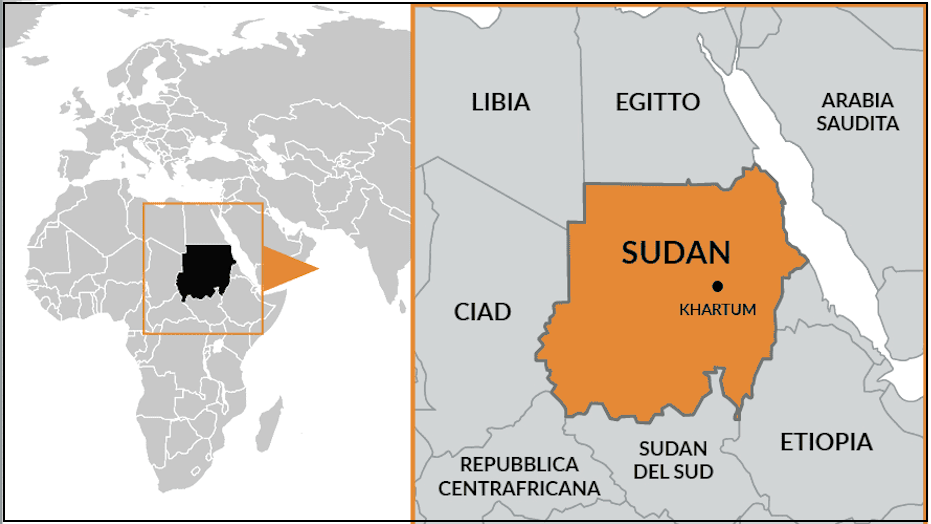
Rival factions in Sudan’s devastating civil war are exploiting the country’s vast natural resources to fund their military campaigns, with the resulting “war economy” now actively sustaining and prolonging the conflict, the United Nations warned on Wednesday.
According to a new report from the UN Office of the High Commissioner for Human Rights (OHCHR), both the Sudanese armed forces and the paramilitary Rapid Support Forces (RSF) are increasingly relying on revenues generated from territory under their control including strategic trade routes and valuable commodities to cover the soaring costs of their ongoing military operations. This dynamic, the OHCHR stated, has rendered the conflict “increasingly self-perpetuating,” creating a cycle where warfare itself becomes a lucrative enterprise.
The brutal power struggle, which erupted in April 2023 between Sudan’s regular army and the RSF, has already exacted a staggering human toll. By conservative estimates, the fighting has claimed some 200,000 lives and forcibly displaced more than 11 million people making it one of the world’s largest displacement crises. Large swathes of the country, particularly in Darfur and Kordofan, have been plunged into acute hunger and famine conditions, with aid agencies struggling to reach vulnerable populations.
In response, the OHCHR issued a direct appeal to both warring parties, as well as to domestic and international corporations involved in the collection, processing, and sale of Sudanese commodities, urging them to strictly adhere to international humanitarian and human rights law. The report singled out the trade in gum arabic a vital export for Sudan as a key case study in how resource extraction is intertwined with the conflict.
“Sudan’s vast wealth of natural resources should benefit its people,” said UN Human Rights Chief Volker Türk in a strongly worded statement. “Distressingly, what we are seeing today is anything but that. In fact, this wealth is only serving to undermine human rights and drive conflict, bringing pain and suffering on an enormous scale.”
Türk stressed that urgent action is needed to break the cycle. “This war economy must be disrupted, and the international community must pay much closer attention to the commodities and trade routes that help keep it alive,” he added.
The Gum Arabic Trade: A Lifeline Under Siege
The OHCHR report zeroes in on gum arabic, a dried sap derived from acacia trees, which is a critical ingredient in a wide array of global consumer products—from soft drinks and confectionery to cosmetics, pharmaceuticals, and printing inks. Before the war, Sudan supplied an estimated 70 to 80 percent of the world’s crude gum arabic, making it an indispensable player in international supply chains. While its export value is modest compared to oil or gold, gum arabic remains a vital source of income for millions of rural Sudanese families who depend on harvesting and trading it.
However, the report found that those reliant on the gum arabic trade have faced systematic abuse, including looting of stockpiles, extortion at checkpoints, arbitrary detention, and credible threats of violence often at the hands of the warring factions and their allied militias. In May 2025, for example, the Gum Arabic Exchange and its warehouses, along with part of the local market in El-Nuhud in West Kordofan state, were reportedly ransacked by RSF forces at the peak of the harvesting season, when stocks were full and ready for export. The incident severely disrupted local trade and destroyed the livelihoods of countless small-scale producers, the report noted.
Fragmented Control, Smuggling, and Opaque Supply Chains
The OHCHR highlighted how the territorial fragmentation of Sudan since the war began has fundamentally reshaped the gum arabic trade. In areas controlled by the Sudanese armed forces, the commodity is largely funneled toward Port Sudan on the Red Sea for official export. By contrast, significant quantities from RSF-controlled regions particularly in Darfur and Kordofan have been redirected through cross-border smuggling networks to neighboring countries such as Chad, South Sudan, and Egypt.
Once across borders, the report warns, these shipments can be processed and re-exported as locally produced goods, effectively masking their true origin and making it nearly impossible for international buyers to verify whether their supply chains are inadvertently financing the conflict.
A Call for Corporate Accountability
In remarks to AFP, Türk issued a pointed challenge to governments and multinational corporations linked to the Sudanese commodity trade—including gum arabic, gold, and livestock to ensure their business practices are not exacerbating the war or enabling human rights abuses. He urged importing nations to enhance regulatory oversight, strengthen supply-chain traceability, and impose stricter accountability measures on companies operating in or sourcing from conflict-affected regions.
“Companies cannot continue business as usual when sourcing from conflict-affected value chains,” Türk declared. “They have a responsibility to conduct due diligence, to know where their products come from, and to ensure that their profits are not bought with Sudanese blood.”
The UN report stops short of naming specific companies, but it serves as a stark warning to the global food, beverage, and pharmaceutical industries, which have long relied on Sudan’s gum arabic as a functionally irreplaceable ingredient. With the conflict showing no signs of abating, the OHCHR’s findings underscore the urgent need for a coordinated international response one that addresses not only the humanitarian catastrophe but also the economic machinery that sustains the war.

Support Dawat Media Center
If there were ever a time to join us, it is now. Every contribution, however big or small, powers our journalism and sustains our future. Support the Dawat Media Center from as little as $/€10 – it only takes a minute. If you can, please consider supporting us with a regular amount each month. Thank you
DNB Bank AC # 0530 2294668
Account for international payments: NO15 0530 2294 668
Vipps: #557320

Comments are closed.