
The Strait of Hormuz Fee Crisis: How Consumers Will Bear the Cost of the U.S.-Iran “Toll War”

Abstract
The escalating confrontation between the United States and Iran over the imposition of transit fees in the Strait of Hormuz represents a critical juncture in global energy security and international trade. Iran’s proposal to levy fees for maritime security, safety, and environmental services, alongside President Donald Trump’s announcement of a 20% ad valorem tariff on all cargo transiting the strategic waterway, threatens to compound inflationary pressures already burdening the global economy. This article examines the mechanisms through which these proposed fees would propagate through supply chains, ultimately impacting consumers across energy, food, and industrial goods markets. Drawing on official data from the International Energy Agency, the World Trade Organization, the United Nations Conference on Trade and Development, and financial institutions including Goldman Sachs and the International Monetary Fund, this analysis assesses the cascading economic consequences of the crisis, with particular attention to developing nations and energy-importing states.
1. Introduction
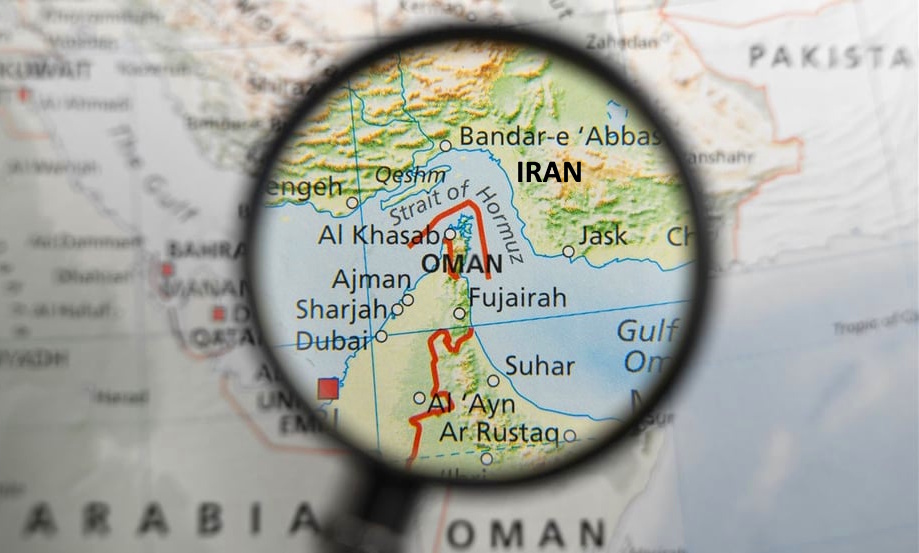
The Strait of Hormuz, the narrow maritime chokepoint connecting the Persian Gulf to the Arabian Sea, has long been recognized as the jugular vein of global energy markets. Approximately 20 million barrels of crude oil, condensates, and petroleum products representing roughly one-quarter of global seaborne oil trade transit this waterway daily, with nearly 80% destined for Asian markets . Additionally, the strait carries approximately 19% of the world’s liquefied natural gas (LNG) trade, including 93% of Qatar’s exports and 96% of the United Arab Emirates’ exports . This strategic significance has rendered the strait a persistent flashpoint in geopolitical rivalries, particularly between the Islamic Republic of Iran and the United States.
The contemporary crisis, however, introduces a novel dimension to this historical tension: the prospect of competing fee regimes imposed by both Tehran and Washington on commercial shipping. Iran has articulated plans to collect compensation for security, navigational safety, and environmental protection services rendered to vessels transiting the strait, invoking the sovereign rights of coastal states under international maritime law . Conversely, President Trump has announced that the United States intends to collect a 20% levy on the value of all cargo passing through the strait a proposal ostensibly justified as reimbursement for American security guarantees.
This article posits that the simultaneous imposition of such fees, or even the credible threat thereof, would generate significant economic externalities transmitted through multiple channels: direct increases in energy prices, elevated shipping and insurance costs, agricultural input inflation, and broader consumer price pressures. The analysis proceeds through an examination of the competing fee proposals, assessment of near-term market reactions, evaluation of transmission mechanisms to energy and food markets, and consideration of macroeconomic implications for global growth and inflation.
2. Competing Fee Proposals: Divergent Visions for Maritime Governance
2.1 The Iranian Framework: Service-Based Levy
Iran’s proposal for transit fees is grounded in the principle of coastal state sovereignty and the provision of tangible services. According to Iranian Vice President Shina Ansari, the draft regulations being developed encompass not merely environmental fees but comprehensive charges covering maritime support, security services, and environmental protection provided by coastal states . The Strait of Hormuz falls within the territorial waters and sovereign jurisdiction of Iran and Oman, and littoral states possess the right to charge appropriate fees for services rendered in maintaining navigational safety, regional security, and environmental preservation .
The Wall Street Journal reported that Iran’s proposed fee structure would apply on a per-barrel basis, with initial estimates suggesting a charge of approximately $1 per barrel of oil transported . Industry sources cited by the newspaper indicated that Iran’s annual revenue from such a system could approach $40 billion if implemented on a broad scale, with Tehran seeking to engage Gulf Cooperation Council states in a revenue-sharing arrangement. The Iranian proposal explicitly references analogous fee structures in other international maritime corridors, where vessels are assessed charges for pilotage, towage, and other navigational services.
Notably, the Iranian approach distinguishes itself from a simple transit toll by framing the charges as compensation for services rendered, including the maintenance of safe passage, environmental monitoring, and the provision of search-and-rescue capabilities. This framing carries implications under international law, as the United Nations Convention on the Law of the Sea (UNCLOS) permits coastal states to impose charges for specific services provided to shipping, though the convention also guarantees the right of innocent passage through international straits .
2.2 The American Proposal: Ad Valorem Tariff
President Trump’s proposal departs substantially from conventional maritime fee structures. As articulated in social media posts and media interviews, the United States would seek compensation equivalent to 20% of the value of all cargo shipped through the strait a figure markedly higher than any existing maritime levy . Trump has characterized this arrangement as a “joint venture” with Iran, suggesting that “big money” could be made by the United States in “helping with the traffic buildup in the Strait of Hormuz” .
Industry analysts have noted the unprecedented nature of this proposal. According to the Financial Times, if applied to oil shipments at prevailing price levels, a 20% levy would add approximately $16 per barrel to the cost of crude distinct from and additive to existing insurance premiums, freight rates, and bunker fuel costs . For a Very Large Crude Carrier (VLCC) carrying 2 million barrels, the fee would amount to roughly $32 million per voyage at current price levels, substantially exceeding the maximum reported Iranian fee of approximately $2 million .
Economist Amer Al-Shoubaki, quoted in the original Arabic source, emphasizes that the American proposal does not resemble a traditional maritime fee but rather functions as a floating customs duty imposed at sea. Standard maritime charges are typically calculated based on vessel tonnage, voyage duration, or specific services rendered, rather than as a percentage of cargo value. This distinction carries significant implications for legal challenges and international acceptance, as the International Maritime Organization has expressed opposition to transit charges on international straits .
2.3 Legal and Operational Complexities
The simultaneous imposition of two fee regimes presents formidable operational and legal challenges. Al-Shoubaki argues that the enforcement of both American and Iranian fee structures would require concurrent recognition of sovereign authority over the strait, an arrangement that appears politically and militarily infeasible under current conditions. However, vessels may nonetheless incur costs associated with both regimes whether through formal fees, indirect charges for escort and insurance services, or the economic costs of delays and rerouting, even in the absence of a formally declared dual-toll system .
3. Immediate Market Reactions and Price Effects
3.1 Energy Markets: Oil and Gas Price Surges
Financial markets have already begun pricing the elevated geopolitical risk before the mechanisms for fee collection have been clarified. Brent crude futures rose 9.6% in a single trading session to $83.30 per barrel, subsequently climbing to approximately $85.64, while West Texas Intermediate crude similarly increased 9.4% to $78.14 per barrel . These movements reflect the market’s assessment of heightened supply disruption risks, with Bloomberg reporting that the number of ships transiting the strait had fallen to a one-month low as of July 2026 .
The gas market has exhibited even greater sensitivity to supply concerns. The European benchmark gas contract rose approximately 2.66% in a single session to €52.81 per megawatt-hour (approximately $60.18), representing a 24% increase over the preceding month . This escalation reflects the particular vulnerability of LNG supply to strait disruptions, given the absence of pipeline alternatives capable of transporting equivalent volumes to global markets.
Goldman Sachs has modeled the potential price impacts of varying disruption scenarios. A complete one-month closure of the strait could add $15 per barrel to crude prices if spare pipeline capacity and strategic petroleum reserves remain underutilized. This increment diminishes to $12 per barrel with full utilization of spare pipeline capacity (estimated at 4 million barrels per day) and $10 per barrel with additional strategic stock draws of 2 million barrels per day. More moderate disruptions such as a 50% flow reduction would add approximately $4 per barrel, while a 25% reduction would generate approximately $1 per barrel in price effects .
3.2 Insurance and Shipping Cost Escalation
Beyond direct energy price effects, the crisis has triggered substantial increases in maritime insurance premiums. War risk insurance rates surged from approximately 0.2% of hull value to 1% within forty-eight hours at the height of the conflict . For a tanker valued at $100 million, this represented an increase from $200,000 to $1 million per voyage. Multiple insurers ceased underwriting vessels operating in Iranian waters, forcing shipowners to reroute or delay voyages .
These insurance market dynamics have produced what analysts describe as a “risk tax” on global trade, independently of formal fee regimes. The withdrawal of insurance coverage effectively prices large segments of shipping out of the market, constraining supply and amplifying price effects across commodity chains [citation:16]. Reuters analysis suggests that the combination of supply constraints and risk premiums effectuated a daily wealth transfer of $4.6 to $6.0 billion from consumers to producers and intermediaries during the peak of the crisis [citation:16].
4. Transmission Mechanisms to Consumer Prices
4.1 Energy Price Pass-Through
The most immediate channel through which strait-related costs reach consumers is energy pricing. As petroleum industry expert Hashim Aql notes in the original Arabic source, shipping companies and suppliers will endeavor to pass through additional costs to end consumers, manifesting in higher gasoline, diesel, and heating fuel prices. This effect is not confined to direct energy purchases but propagates through the economy via transportation costs embedded in virtually all goods and services.
The International Energy Agency’s data indicates that approximately 5 million barrels per day of refined petroleum products including diesel, jet fuel, gasoline, and naphtha transited the strait in 2025, predominantly destined for Asian markets [citation:17]. Disruptions to these flows have prompted importers to seek alternative supply sources, with U.S. Energy Information Administration data showing that heightened demand for American crude and refined products elevated U.S. net exports to a record 5.8 million barrels per day in April 2026, with notable increases in diesel and jet fuel exports [citation:18].
4.2 Food Production and Fertilizer Supply Chains
The transmission of strait-related costs to food prices operates through multiple mechanisms, making this channel particularly consequential for consumer welfare. Approximately one-third of global seaborne fertilizer trade some 16 million tons normally passes through the Strait of Hormuz [citation:19]. This includes 45% of global urea exports originating from the Gulf region, as well as substantial shares of phosphate fertilizers and sulfur, a critical input for fertilizer production .
Natural gas serves as the primary feedstock for nitrogen fertilizer production, accounting for 60% to 80% of production costs. The simultaneous disruption of both LNG shipments and fertilizer exports has created a supply shock affecting both production and transportation of agricultural inputs. The World Bank’s fertilizer price index rose more than 12% in the first quarter of 2026, with urea prices exceeding $850 per ton an 80% increase since February 2026. The institution projects the index to rise more than 30% during the current year .
The timing of this supply disruption compounds its impact. Farmers across the Northern Hemisphere typically purchase fertilizer in March for application in April and May, and delayed deliveries even by weeks can reduce crop yields significantly. The UN Food and Agriculture Organization warns that global fertilizer shortages will reduce harvests and tighten food supplies from late 2026 through 2027 [citation:20]. The FAO Director-General has characterized the crisis as extending beyond geopolitics to strike “at the very heart of the global agrifood system” [citation:20].
4.3 Broader Commodity and Consumer Goods Effects
The strait’s importance extends beyond energy and fertilizers to encompass a range of industrial and consumer goods. The World Trade Organization’s Hormuz Trade Tracker, developed in cooperation with AXS Marine, documented that by June 2026, crude shipments had declined by approximately 95%, LNG by 99%, and fertilizer-related commodities by 94% compared to pre-crisis levels [citation:21]. This cessation of trade affects sulfur, ammonia, petrochemicals, plastics, and agricultural products commodities that serve as inputs for packaging, textiles, construction materials, and pharmaceuticals.
The compounding effect of higher energy and raw material costs, combined with elevated freight and insurance charges, creates what Al-Shoubaki describes as a “cost cascade” through supply chains. Importers pass increased costs to manufacturers and distributors, who subsequently transmit these costs to consumers through higher prices for food, medicine, and daily necessities. Critically, goods that do not themselves transit the strait may nonetheless experience price increases, as global oil and gas price movements elevate production and shipping costs worldwide.
5. Macroeconomic Implications
5.1 Inflationary Pressures
The International Monetary Fund projects that a sustained 10% increase in oil prices over most of a year would raise global inflation by approximately 0.4 percentage points and reduce global output by 0.1% to 0.2%, with energy-importing nations and those with limited fiscal space bearing disproportionate burdens [citation:22]. In its July 2026 update, the IMF forecasts crude oil prices to average 32% higher in 2026 than in the prior year, with natural gas increasing 22% and fertilizers 26%. Global inflation is projected to rise from 4.1% in 2025 to 4.7% in 2026 before moderating to 3.9% in 2027 [citation:23].
These projections, however, may underestimate inflation risks if the proposed fee regimes are implemented simultaneously. Hashim Aql cautions that the addition of a 20% American levy to potential Iranian fees, insurance premiums, and military risk premiums could force substantial price increases across energy markets, with gasoline, diesel, and transportation costs transmitting these shocks throughout the economy. The resulting stagflationary pressures would particularly affect developing nations already contending with debt burdens and currency weaknesses.
5.2 Vulnerability of Developing Economies
The distributional consequences of the crisis are profoundly unequal. The UN Conference on Trade and Development warns that rising energy, fertilizer, and transportation costs will “raise food costs and exacerbate cost-of-living pressures, particularly for the most vulnerable populations” [citation:19]. Countries including Sudan, Somalia, Tanzania, Mozambique, Pakistan, Sri Lanka, and Kenya which import substantial shares of fertilizer from the Persian Gulf face particular exposure [citation:19]. Australia and New Zealand, while better positioned fiscally, also depend on Gulf sources for approximately 30% of their fertilizer requirements.
The World Food Programme has documented immediate food security impacts in the Middle East, with Lebanon experiencing significant internal displacement amidst already elevated food insecurity. Humanitarian operations are additionally strained, as extended shipping routes and congestion jeopardize the program’s ability to reach vulnerable populations quickly, increasing the risk of heightened food insecurity and malnutrition [citation:24].
6. Conclusion
The U.S.-Iran confrontation over transit fees in the Strait of Hormuz represents a significant escalation in the weaponization of maritime chokepoints for economic and geopolitical objectives. While Iran’s proposal for service-based fees draws on established principles of coastal state authority, the American demand for a 20% ad valorem levy on all cargo represents an unprecedented departure from international maritime practice. The simultaneous pursuit of these competing regimes, or even the uncertainty surrounding their implementation, has already produced substantial economic effects.
These effects propagate through multiple channels: direct energy price increases, elevated shipping and insurance costs, constrained agricultural input supplies, and broader inflationary pressures. The transmission from strait-related costs to consumer prices operates with remarkable speed and scope, affecting not only energy consumers but also food purchasers, industrial consumers, and households across the global economy.
The distributional impact of this crisis falls most heavily on developing nations and low-income households, for whom food and energy constitute a larger share of expenditure and for whom fiscal buffers remain limited. As the International Monetary Fund warns, the combination of higher energy prices, elevated borrowing costs, and reduced fiscal space constrains the capacity of vulnerable economies to absorb external shocks.
Should the fee regimes be implemented simultaneously or should the current disruption persist, the consequences would likely extend well beyond immediate price effects. The structural importance of the Strait of Hormuz to global energy, food, and industrial supply chains means that prolonged disruption would necessitate fundamental adjustments in trade patterns, supply chain configuration, and energy policy adjustments that would themselves impose economic costs.
The ultimate resolution of this crisis remains uncertain, with diplomatic negotiations proceeding in Switzerland while military tensions persist. What remains clear, however, is that the outcome will significantly influence the trajectory of global inflation, economic growth, and consumer welfare for years to come. As the FAO Director-General observed, the crisis has moved beyond geopolitics to strike at “the very heart of the global agrifood system” a characterization that applies equally to the broader global economy [citation:20].
References
-
International Energy Agency, “Strait of Hormuz: Global Energy Chokepoint,” 2026.
-
International Energy Agency, “LNG Trade and Strategic Passages,” 2026.
-
“Iran Drafts Regulations to Charge Ships for Strait of Hormuz Services,” Tasnim News Agency, June 2026.
-
The Wall Street Journal, “Iran Seeks to Impose Fees on Hormuz Shipping,” 2026.
-
United Nations Convention on the Law of the Sea, Part III: Straits Used for International Navigation.
-
President Donald Trump, Truth Social post, April 2026.
-
President Donald Trump, Fox News interview, June 2026.
-
“Trump Threatens Iran over Tanker Transit Fees,” China.org.cn, April 2026.
-
Financial Times, “Hormuz Toll Threat Looms over Oil Markets,” 2026.
-
Bloomberg, “Hormuz Shipping Tracker and Market Analysis,” July 2026.
-
International Maritime Organization, “Statement on Strait of Hormuz Transit,” 2026.
-
“Crude Surges on Trump’s 20% Toll Proposal,” Tiger Brokers, July 2026.
-
The World Bank, “Commodity Price Outlook,” July 2026.
-
Goldman Sachs, “Hormuz Disruption Scenarios,” March 2026.
-
“The Chain Reaction of the Gulf Crisis,” Futunn News, March 2026.
-
Reuters, “Strait of Hormuz Crisis Analysis,” May 2026.
-
International Energy Agency, “Refined Products Trade Through Hormuz,” 2026.
-
U.S. Energy Information Administration, “Petroleum Exports Data,” April 2026.
-
UNCTAD, “Hormuz Disruption and Global Trade,” March 2026.
-
FAO Director-General Qu Dongyu, Speech at High-Level Conference, May 2026.
-
WTO and AXS Marine, “Hormuz Trade Tracker,” June 2026.
-
International Monetary Fund, “World Economic Outlook,” July 2026.
-
International Monetary Fund, “Global Inflation Projections,” July 2026.
-
World Food Programme, “Food Security Impact Assessment,” 2026.
Support Dawat Media Center
If there were ever a time to join us, it is now. Every contribution, however big or small, powers our journalism and sustains our future. Support the Dawat Media Center from as little as $/€10 – it only takes a minute. If you can, please consider supporting us with a regular amount each month. Thank you
DNB Bank AC # 0530 2294668
Account for international payments: NO15 0530 2294 668
Vipps: #557320

Comments are closed.