
Taliban Morality Police Raid Wedding in Eastern Afghanistan, Detain 14 for Playing Music

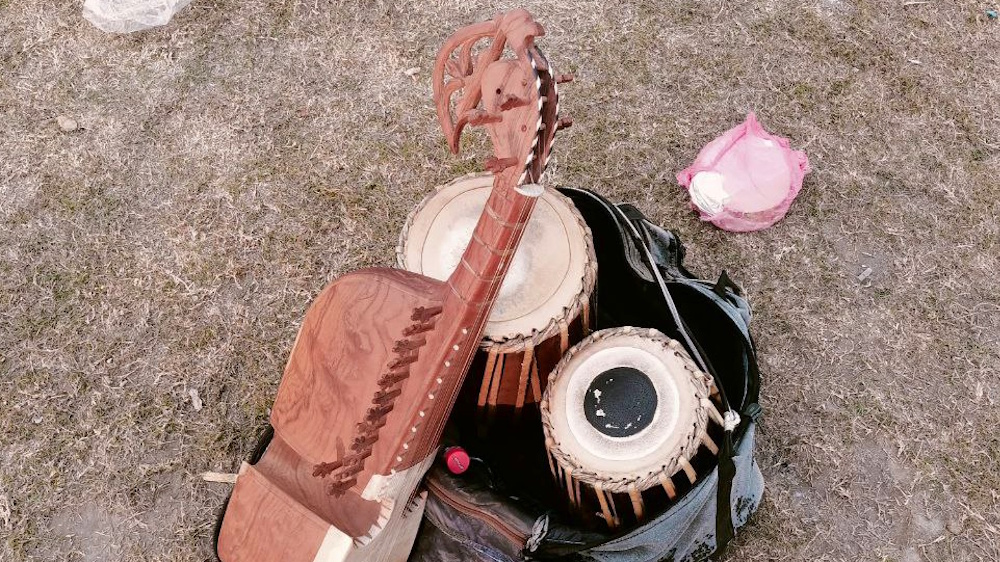
KABUL, AFGHANISTAN – Taliban morality police raided a wedding celebration in eastern Nangarhar province on Wednesday night, detaining 14 people for playing music, according to local sources.
The incident took place in the Kama district of Nangarhar province, a restive area near the Pakistani border. Those detained were reportedly relatives and neighbors of the groom, who were attending the private family gathering. The raid occurred late in the evening, interrupting the ceremony and sparking fear among attendees, sources said.
Local Taliban authorities have not yet issued an official statement regarding the detention, and it remains unclear whether those arrested have been released or face further legal proceedings.
The raid is the latest in a growing pattern of enforcement actions targeting music and public expressions of joy, which the Taliban deems contrary to Islamic law. Such operations have become increasingly common at private gatherings, including wedding parties, engagement ceremonies, and even funerals, as the group’s morality police intensify their oversight of social life across the country.
Just three months ago, in a similar incident in northern Afghanistan, Taliban forces detained at least 21 people at a private party for playing music, highlighting the nationwide scope of these crackdowns. In some provinces, local officials have also issued public warnings to wedding halls, threatening closures or fines if music is played.
Since seizing power in August 2021, the Taliban have imposed some of the world’s strictest and most comprehensive restrictions on music. The group has banned it from weddings, public events, radio and television broadcasts, and even private listening in certain cases. In many areas, loudspeakers have been removed from mosques and markets, and street musicians have been forced into hiding.
The enforcement has extended well beyond detention. Taliban forces have carried out widespread confiscations of musical instruments, often destroying them in public spectacles meant to deter others. Two months ago, the group’s morality police burned 829 instruments including guitars, tablas, and harmonicas along with images of living beings in southern Khost province, in a highly publicized ceremony. Similar burnings have been reported in other provinces, though often without media coverage.
These restrictions have devastated Afghanistan’s once-vibrant music sector, which had experienced significant growth and cultural revival during the two decades before the Taliban takeover. The country was home to a rich tapestry of regional folk traditions, classical ghazals, and contemporary pop, with a thriving community of teachers, performers, and instrument makers. Since 2021, hundreds of musicians, performers, and music educators have fled the country, seeking safety in neighboring Iran, Pakistan, or farther abroad in Europe and North America. Many of those who remain have abandoned their professions entirely, while continuing to face risks of intimidation, verbal abuse, arbitrary arrest, and even physical violence.
Human rights organizations, including Amnesty International and Human Rights Watch, have repeatedly expressed alarm over the Taliban’s restrictions on cultural activities, arguing that they have severely narrowed the space for artistic expression and public entertainment in Afghanistan. The policies, they note, violate fundamental rights enshrined in international covenants and have contributed to a climate of fear and isolation, particularly for women and minority communities whose cultural practices are often targeted.
The crackdown also echoes the Taliban’s previous rule from 1996 to 2001, when similar bans on music, television, films, and most forms of entertainment were strictly enforced. Following their return to power, many of those restrictions have been systematically reintroduced and, in some cases, expanded. Today, Afghanistan remains the only country in the world where music is effectively prohibited nationwide a distinction that has drawn widespread international condemnation and further deepened the country’s cultural and diplomatic isolation.
As the Taliban consolidate their authority, the future of Afghanistan’s musical heritage grows increasingly uncertain, with artists and advocates both inside and outside the country calling for global solidarity and urgent action to preserve what remains of the nation’s endangered cultural identity.
Our Pashto-Dari Website

Support Dawat Media Center
If there were ever a time to join us, it is now. Every contribution, however big or small, powers our journalism and sustains our future. Support the Dawat Media Center from as little as $/€10 – it only takes a minute. If you can, please consider supporting us with a regular amount each month. Thank you
DNB Bank AC # 0530 2294668
Account for international payments: NO15 0530 2294 668
Vipps: #557320

Comments are closed.