

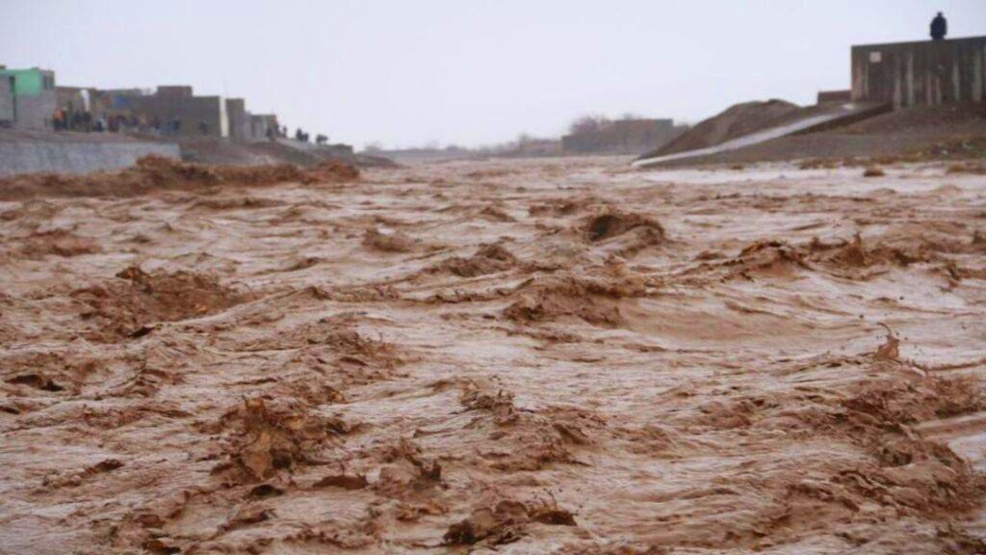
KABUL – At least 148 people have been killed and 216 others injured across Afghanistan over the past two weeks, following a relentless series of extreme weather events, including heavy rainfall, flash floods, landslides, earthquakes, and lightning strikes, according to Afghan disaster management authorities. The latest wave of violent weather has deepened the humanitarian crisis in one of the world’s most climate-vulnerable nations.
The heaviest losses in recent days have been concentrated in eastern Afghanistan, with Nangarhar province emerging as one of the worst-hit areas. Local authorities reported that 24 people were killed and approximately 33 wounded there in just the past 48 hours. Most deaths were attributed to collapsing roofs, rapidly rising floodwaters, and storm-related structural damage. In neighboring provinces, similar scenes of devastation have unfolded, overwhelming already limited local response capabilities.
Preliminary damage assessments indicate that at least 1,149 homes have been completely destroyed, while hundreds more have sustained partial damage. Roads, bridges, farmlands, and irrigation systems have also suffered extensive destruction, threatening both immediate survival and longer-term food security. More than 7,500 families have been directly affected, highlighting how quickly seasonal storms can escalate into a widespread humanitarian emergency particularly in rural, mountainous, and poorly protected areas where housing is often made of mud brick and drainage systems are virtually nonexistent.
The destruction has severely disrupted transportation and emergency access. Major roads linking Kabul to several provincial capitals have been blocked by flooding, landslides, and rockfalls, effectively cutting off entire districts from relief supplies and medical evacuation routes. In the hardest-hit valleys, stranded residents including women, children, and the elderly had to be airlifted to safety by makeshift rescue teams as floodwaters swept through villages and urban neighborhoods with little warning.
This rising death toll comes as Afghanistan’s weather authorities warn that even more severe conditions may lie ahead. Fresh alerts have been issued for several northern and central provinces, where continued heavy rain and snowmelt are expected to trigger further flooding and landslides. Humanitarian officials fear that casualties and destruction could climb sharply in the coming days, especially in areas already cut off from aid.
Afghanistan has endured repeated climate and disaster shocks in recent years, including catastrophic earthquakes, prolonged droughts, and destructive flash floods that have repeatedly battered already fragile communities. The country’s weak infrastructure, inadequate drainage systems, vulnerable housing stock, and extremely limited emergency response capacity have made seasonal weather events far deadlier than they would be in better-prepared nations. International aid organizations have repeatedly warned that Afghanistan remains dangerously underfunded and under-equipped to cope with climate-induced disasters.
The latest tragedies serve as a stark reminder that, beyond decades of conflict and entrenched poverty, Afghanistan is now confronting a deepening climate and resilience crisis. With more rain forecast and thousands of families already displaced, the immediate challenge is no longer only rescue and recovery it is how to prevent another avoidable wave of loss in a country that can least afford it.
Our Pashto-Dari Website

Support Dawat Media Center
If there were ever a time to join us, it is now. Every contribution, however big or small, powers our journalism and sustains our future. Support the Dawat Media Center from as little as $/€10 – it only takes a minute. If you can, please consider supporting us with a regular amount each month. Thank you
DNB Bank AC # 0530 2294668
Account for international payments: NO15 0530 2294 668
Vipps: #557320

Comments are closed.