
UN Provides Emergency Aid to 27,000 People in Northern Afghan Provinces of Balkh and Jawzjan

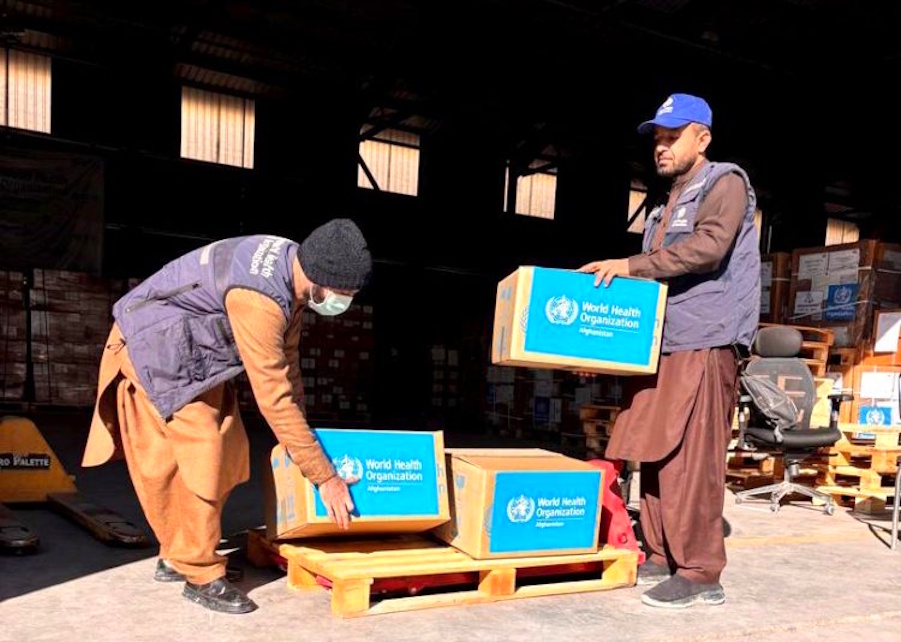
The United Nations Office for the Coordination of Humanitarian Affairs (OCHA) has delivered life-saving assistance to more than 27,000 people in Afghanistan’s northern provinces of Balkh and Jawzjan, as humanitarian conditions continue to deteriorate across the country.
In a statement issued on Monday, May 11, OCHA detailed that the aid package includes access to clean drinking water, sanitation services, and hygiene support for vulnerable families affected by ongoing economic hardship and recurrent natural disasters. The assistance specifically targets communities struggling with both acute poverty and the effects of extreme weather events.
OCHA expressed gratitude to international donor countries for their continued humanitarian support to Afghanistan, where millions remain dependent on external aid following decades of conflict, a severe economic collapse, and escalating climate-related disasters.
According to OCHA’s latest forecasts, approximately 22 million people in Afghanistan are expected to require humanitarian assistance in 2026, while nearly 17 million of those are in urgent need of life-saving aid and emergency support services. These figures underscore the scale of a crisis that has left more than half the population struggling to meet basic needs.
Recent heavy rains and flooding in several Afghan provinces have significantly increased humanitarian needs, the agency noted. More than 72,000 people have been affected by the latest floods nationwide, with many losing homes, livestock, and access to clean water.
In a related effort, UNICEF reported that it has distributed educational support packages to more than 239,000 children in Herat and Badghis provinces and has rehabilitated several schools damaged by earthquakes and other natural disasters. These initiatives aim to prevent a lost generation of Afghan students amid ongoing disruptions to education.
Humanitarian agencies have repeatedly warned that children and women remain among the most vulnerable groups in Afghanistan. This vulnerability is exacerbated by restrictions on girls’ education and women’s employment, which continue to limit access to education, healthcare, and humanitarian services for large segments of the population.
The United Nations has also expressed concern that restrictions imposed on Afghan women working for non-governmental organizations (NGOs) and aid agencies have complicated relief operations. These limitations have reduced the effectiveness of humanitarian assistance in multiple regions, as female aid workers are often essential for reaching women and children in conservative communities where access is strictly gender-segregated.
Without urgent funding and unfettered access, humanitarian agencies warn that the situation in northern Afghanistan and across the country could worsen further in the coming months, especially as seasonal floods and economic pressures intensify.
Our Pashto-Dari Website
Support Dawat Media Center
If there were ever a time to join us, it is now. Every contribution, however big or small, powers our journalism and sustains our future. Support the Dawat Media Center from as little as $/€10 – it only takes a minute. If you can, please consider supporting us with a regular amount each month. Thank you
DNB Bank AC # 0530 2294668
Account for international payments: NO15 0530 2294 668
Vipps: #557320

Comments are closed.