

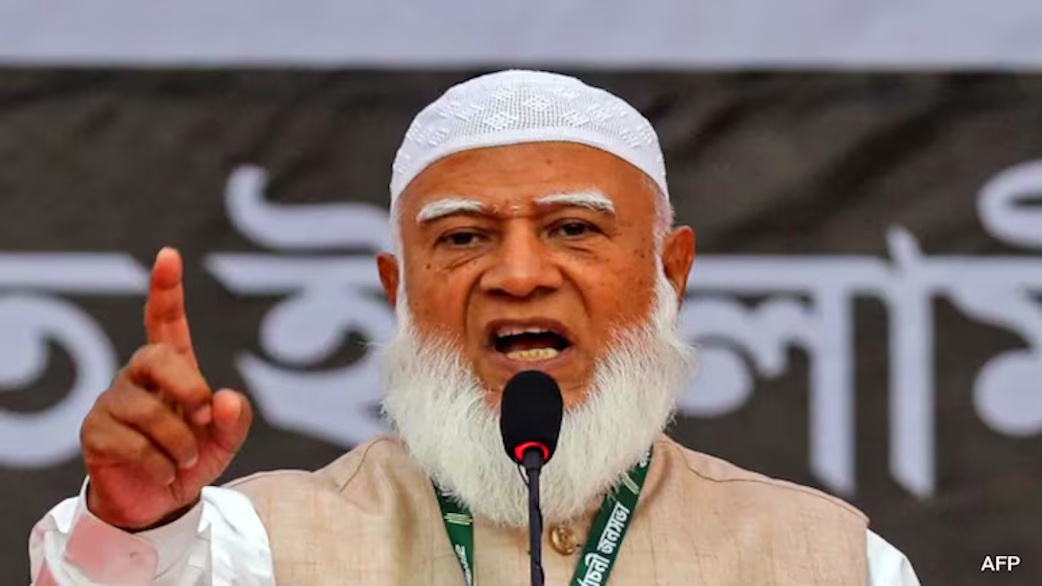
As Bangladesh approaches crucial parliamentary elections on February 12, the political landscape is witnessing a significant and controversial transformation. The Bangladesh Jamaat-e-Islami (BJI), a party with a history rooted in Islamist ideology and long accused of violent extremism, is actively executing a comprehensive image overhaul to reposition itself as a viable, mainstream political entity. This rebranding comes amidst reports of discreet international engagements and a radically shifted domestic arena following the ouster of Sheikh Hasina’s Awami League government in August 2024.
From Pariah to Prospective Partner: A Contested Legacy
The BJI’s past is a central point of contention. Officially banned under the previous Hasina regime for alleged terrorist links, the party has been historically criticized for its role in the 1971 Liberation War and its advocacy for transforming secular Bangladesh into an Islamic state governed by Sharia law. More recently, it has been cited by observers as a key organizational force behind the mass street protests that led to the government’s collapse in August 2024. The party has also faced persistent allegations of inciting violence against religious minorities, particularly Hindus, in the pre-electoral period.
The Pivot: Softening Edges and Strategic Alliances
Recognizing the liabilities of its hardline reputation, Jamaat-e-Islami has launched a calculated campaign to moderate its public face. The rhetoric from its top leadership has noticeably shifted:
-
Downplaying Sharia: While not renouncing its ideological core, the party has soft-pedaled its explicit demand for Islamic law. This recalibration appears aimed at assuaging domestic and international concerns about theocratic rule.
-
Emphasis on Justice and Security: Party Ameer Dr. Shafiqur Rahman’s campaign speeches now foreground universal issues like eradicating corruption, ensuring justice (insaaf), and—significantly—providing robust protection for women’s rights and safety. “No form of violence against women will be allowed,” he declared, marking a stark contrast with the party’s previous image.
-
Coalition Politics: By anchoring the ten-party alliance, which includes groups like the National Citizens Party (an offshoot of the 2024 protests), the BJI seeks to project itself as a collaborative and broad-based force. It contrasts this with its main competitor, the Bangladesh Nationalist Party (BNP), which it labels a “family-led party.”
The International Dimension: Diplomatic Legitimacy and Secret Deals
The most striking aspect of Jamaat’s makeover is its reported outreach to Western powers, previously its staunch critics.
-
The Washington Post Report: The newspaper cited audio recordings suggesting U.S. diplomats are seeking increased engagement with the BJI. Notably, it reported an American official downplaying fears that the party would impose Sharia, indicating a potential, if controversial, reevaluation by Western capitals based on strategic interests in a post-Hasina Bangladesh.
-
Direct Diplomatic Engagement: This reported shift is bolstered by verifiable high-level meetings. The British High Commissioner and a senior French delegation have separately held “cordial and friendly” discussions with Dr. Shafiqur Rahman. The talks, framed around ensuring free and fair elections and strengthening bilateral ties, grant the BJI a veneer of diplomatic legitimacy it has lacked for decades.
-
Alarm from Rivals: This outreach has triggered alarm bells within the political opposition. BNP Secretary General Mirza Fakhrul Islam Alamgir has publicly warned that a rumored “secret deal” between the BJI and the United States could jeopardize Bangladesh’s sovereignty, stability, and secular character.
Electoral Calculus and Future Implications
The BJI’s strategy is a high-stakes gamble. With the Awami League sidelined, the election is largely a contest between the BNP and the BJI-led alliance. The party is betting that its new populist messaging on governance and security, combined with its proven street power and newfound international receptivity, will translate into its best-ever electoral performance.
However, skepticism abounds. Critics question whether the softened rhetoric represents a genuine ideological shift or mere electoral expediency. The party’s historical baggage and the allegations of recent violence against minorities continue to cast a long shadow.
Conclusion
Bangladesh’s Jamaat-e-Islami is navigating a profound metamorphosis—from a banned Islamist entity to a coalition-leading party courting Western diplomats. Its electoral success hinges on convincing a weary electorate and a watchful world that its transformation is more than skin-deep. The February 12 vote will not only determine the next government but also serve as a referendum on whether a party once considered beyond the pale can successfully rebrand itself as a legitimate ruler of the world’s eighth-most populous nation. The outcome will have profound implications for Bangladesh’s secular democracy, its social fabric, and its geopolitical alignments.
Our Pashto-Dari Website

Support Dawat Media Center
If there were ever a time to join us, it is now. Every contribution, however big or small, powers our journalism and sustains our future. Support the Dawat Media Center from as little as $/€10 – it only takes a minute. If you can, please consider supporting us with a regular amount each month. Thank you
DNB Bank AC # 0530 2294668
Account for international payments: NO15 0530 2294 668
Vipps: #557320

Comments are closed.