
Climate Change and Urban Sprawl Pose ‘Direct Threat’ to Afghan Heritage, UN Warns

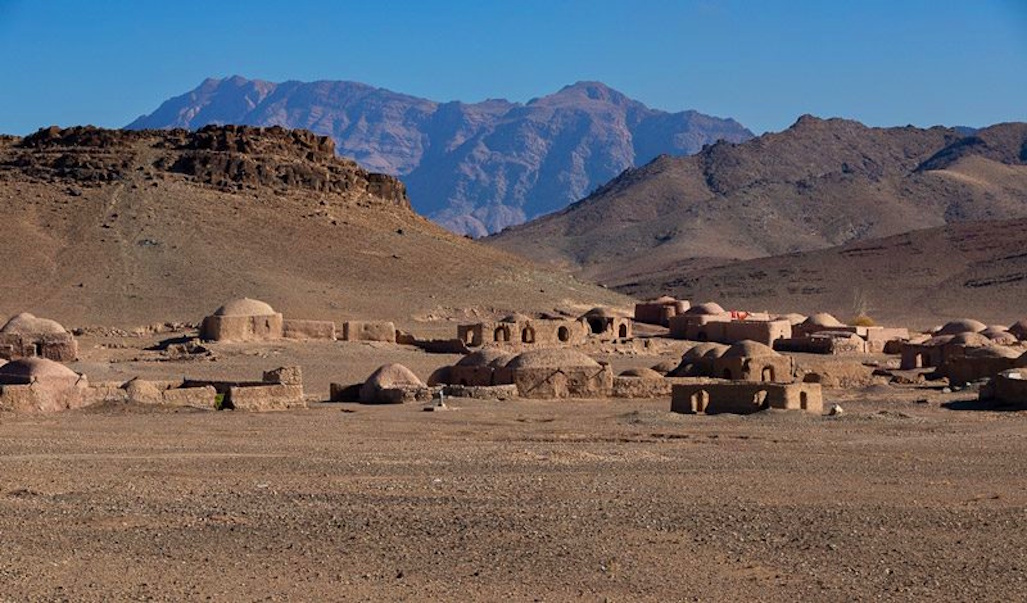
December 13 – The United Nations Human Settlements Programme (UN-Habitat) issued a stark warning that the compound crises of climate change and rampant, unplanned urbanization are eroding Afghanistan’s irreplaceable cultural and architectural heritage, further undermining social cohesion amid a deepening humanitarian emergency.
In a statement released today, the agency emphasized that the preservation of historic urban centers is not merely a cultural concern, but a critical component for maintaining the identity, social fabric, and future resilience of Afghanistan’s cities.
“The loss of these historic neighborhoods is the loss of a city’s memory and soul,” the statement implied, highlighting that centuries-old mosques, citadels, traditional courtyard houses, and ancient urban layouts are under unprecedented threat.
A Dual Threat: Environmental and Man-Made
The warning outlines a dual assault on the country’s heritage:
-
Climate Change Impacts: Increasingly frequent and severe climate-related disasters—particularly devastating flash floods and prolonged droughts—are physically degrading fragile, centuries-old structures. These events, exacerbated by a lack of drainage and mitigation infrastructure, wash away earthen walls, erode foundations, and damage historic irrigation systems integral to traditional urban design.
-
Uncontrolled Urban Expansion: Urbanization is accelerating rapidly, driven by population growth, massive rural displacement due to both conflict and drought, and the return of refugees. This expansion is largely chaotic, lacking formal planning, building standards, or essential infrastructure. The pressure for housing and space is leading to the encroachment, neglect, or demolition of historic sites, as well as the alteration of traditional architectural styles and street patterns that have defined Afghan cities for generations.
A Crisis Within a Crisis
The heritage emergency unfolds within Afghanistan’s severe humanitarian crisis, marked by widespread poverty, economic collapse, and soaring unemployment. This context has severely crippled the institutional capacity for urban planning, heritage protection, and disaster risk reduction. Investment in conservation and sustainable development has become a distant priority for both cash-strapped authorities and struggling communities.
Historic Cities at Risk
While the statement addresses a national issue, iconic historic cities like Herat, Kabul, Balkh, and Kandahar are of particular concern. Herat’s famed Old City, with its network of covered bazaars and Timurid-era monuments, and Kabul’s historic districts such as Murad Khani and Chindawol, are acutely vulnerable to both flooding and unregulated construction pressure.
Call for Coordinated Action
UN-Habitat called for urgent, coordinated action from Afghanistan’s de facto authorities, local communities, and international partners. It stressed that protecting this heritage requires integrating conservation principles into broader humanitarian and development responses, including disaster preparedness, urban planning, and livelihood support.
The agency concluded that without immediate and sustained intervention, Afghanistan risks losing tangible connections to its rich history—a loss that would irrevocably diminish its cultural identity and potential for future recovery.
Our Pashto-Dari Website


Support Dawat Media Center
If there were ever a time to join us, it is now. Every contribution, however big or small, powers our journalism and sustains our future. Support the Dawat Media Center from as little as $/€10 – it only takes a minute. If you can, please consider supporting us with a regular amount each month. Thank you
DNB Bank AC # 0530 2294668
Account for international payments: NO15 0530 2294 668
Vipps: #557320

Comments are closed.