
Iran Deports 1.8 Million Migrants to Afghanistan in Major Repatriation Wave

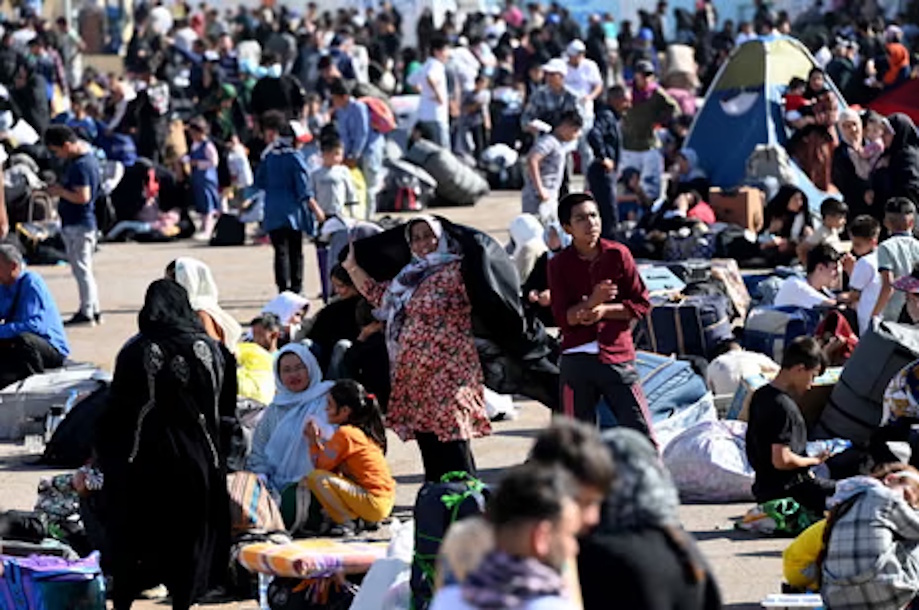
Iran has deported approximately 1.8 million Afghan migrants to Afghanistan this year through the Islam Qala border crossing, marking one of the largest and most rapid repatriation movements in recent history.
According to reports from Iranian state-linked media, including the Tasnim News Agency, the returns have been officially described as a “significant wave of repatriations.” The governor of Khorasan Razavi province, through which the Islam Qala border passes, stated on Monday that while a portion of the deportations originated from his province, the returning migrants were sent from a total of 12 provinces across Iran.
Context and Causes
Local Afghan outlets have characterized the influx as unprecedented in scale for recent years. Iranian officials have cited escalating regional tensions, specifically pointing to Israel’s military actions in Gaza, as a contributing factor influencing migrant movements. Analysts suggest this reflects a broader atmosphere of insecurity and economic pressure within Iran, which hosts one of the world’s largest populations of Afghan refugees and migrants. The deportations are widely understood to be part of a longstanding Iranian policy of periodic crackdowns on undocumented migrants, often intensifying during periods of domestic economic strain.
Current Status and Humanitarian Concerns
While the repatriation process remains ongoing, the daily number of returns has reportedly decreased from its peak during the summer months. However, the sheer volume of returnees is creating severe humanitarian pressures on the Afghan side of the border.
Observers and aid organizations warn of mounting challenges, including:
-
Overwhelmed border reception facilities and transit centers.
-
Limited access to shelter, food, water, and healthcare for new arrivals.
-
The strain on Afghanistan’s already collapsing economy and overburdened public services, compounded by the country’s ongoing humanitarian crisis and the Taliban administration’s limited capacity to respond.
International Response and Appeals
Humanitarian groups, including the UN and various NGOs, have called upon Iranian authorities to ensure that returns are conducted safely, orderly, and in accordance with international principles. They emphasize the need to protect vulnerable groups, including women-headed households, children, and individuals with legitimate protection claims, from refoulement.
The massive return poses a critical test for the international aid community operating in Afghanistan, as the country enters a harsh winter with millions already facing acute food insecurity. The situation underscores the urgent need for increased funding and coordinated planning to support both the new returnees and the communities receiving them.
Our Pashto-Dari Website

Support Dawat Media Center
If there were ever a time to join us, it is now. Every contribution, however big or small, powers our journalism and sustains our future. Support the Dawat Media Center from as little as $/€10 – it only takes a minute. If you can, please consider supporting us with a regular amount each month. Thank you
DNB Bank AC # 0530 2294668
Account for international payments: NO15 0530 2294 668
Vipps: #557320

Comments are closed.