
Pakistan Dismisses Kabul Clerics’ Conference as Insufficient, Demands Formal Pledge from Taliban Chief

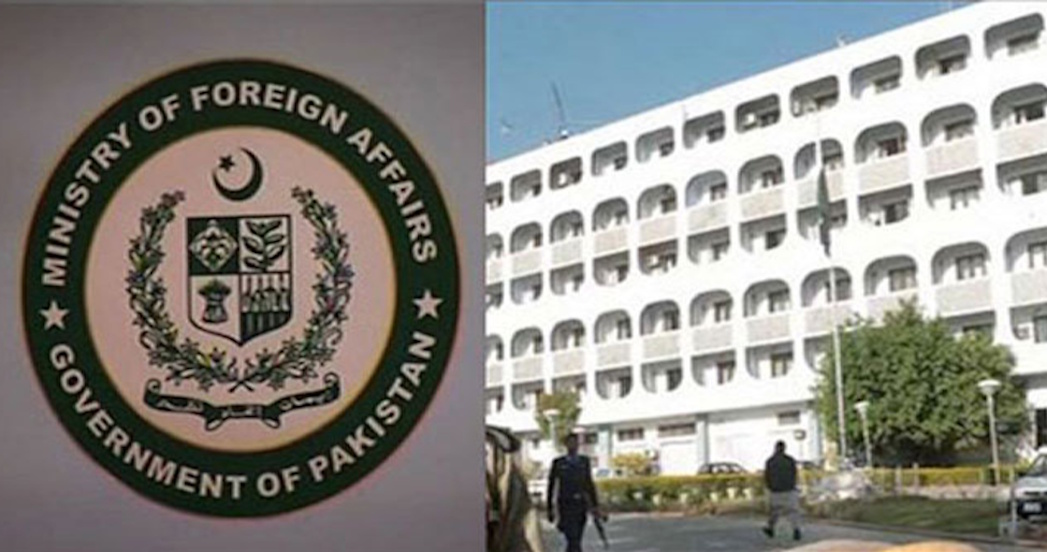
Islamabad — Pakistan has stated that a major gathering of Taliban-aligned clerics in Kabul this week does not adequately address its core security concerns, insisting that the Afghan Taliban’s supreme leader, Mullah Hibatullah Akhundzada, must provide a formal, written guarantee to dismantle and prevent cross-border attacks by the Tehrik-i-Taliban Pakistan (TTP).
While characterizing the clerics’ meeting as a “potentially positive step,” Pakistani officials underscored that rhetorical statements are no substitute for binding action from the de facto authorities in Kabul. The Foreign Ministry confirmed it has not yet received an official copy of the resolution passed by the assembly.
The Clerics’ Declaration and Pakistan’s Skepticism
On Wednesday, nearly 1,000 religious scholars from across Afghanistan convened in Kabul at the invitation of the Taliban administration. The resulting declaration stated that “no Afghan should fight outside the country’s borders” and called on the Taliban government to prevent individuals from joining external conflicts.
However, Pakistan maintains that TTP militants continue to operate with impunity from Afghan soil, launching deadly attacks against Pakistani security forces and civilians. Islamabad argues that the clerics’ non-binding advice, while welcome, falls short of the explicit and verifiable commitment it requires from the Taliban’s central leadership.
“Long-term stability and trust require a formal, written pledge from the Afghan Taliban leadership,” emphasized Foreign Ministry spokesman Tahir Andarabi. “We will assess the clerics’ statements only after receiving the official document, but our fundamental demand for a clear guarantee from the authorities remains unchanged.”
A Stumbling Block: The Demand for a Fatwa
Tensions over the form of this commitment were publicly highlighted following remarks by a Taliban negotiator, Rahmatullah Najeeb. He revealed that Pakistani officials had specifically sought a fatwa (religious edict) from Mullah Hibatullah explicitly forbidding fighting in Pakistan.
The Taliban delegation reportedly rebuffed this request, stating that the reclusive supreme leader “does not issue fatwas on demand” and that any such petition must follow formal procedures through the Darul Ifta (the Islamic advisory body). This exchange underscores a fundamental disconnect: Pakistan seeks a decisive religious and political decree, while the Taliban appears unwilling to be seen as issuing doctrinal rulings under foreign pressure.
A History of Failed Guarantees
Islamabad noted that this impasse mirrors previous unsuccessful negotiations. During talks in Istanbul and Doha, Taliban representatives consistently refused to sign any formal agreements or written guarantees regarding the TTP. Pakistan contends that without such a document, public statements provide no mechanism for accountability or verification.
Regional Accusations and Strategic Concerns
Compounding the dispute are Pakistan’s persistent allegations of external meddling. Officials in Islamabad reiterated that they cannot rule out the possibility of India supplying weapons to armed groups in Afghanistan. Pakistan has long accused its regional rival, New Delhi, of backing the TTP to destabilize Pakistan—a claim India vehemently denies.
The stalemate leaves relations between Islamabad and Kabul at a critical juncture. Pakistan continues to press for decisive action, while the Taliban government balances its ideological constraints, internal factions, and its stated policy of not allowing its territory to be used against other states. The clerics’ conference, rather than breaking the deadlock, has only emphasized the wide gap between diplomatic gestures and the formal assurances Pakistan deems essential for its national security.
Our Pashto-Dari Website

Support Dawat Media Center
If there were ever a time to join us, it is now. Every contribution, however big or small, powers our journalism and sustains our future. Support the Dawat Media Center from as little as $/€10 – it only takes a minute. If you can, please consider supporting us with a regular amount each month. Thank you
DNB Bank AC # 0530 2294668
Account for international payments: NO15 0530 2294 668
Vipps: #557320

Comments are closed.