
U.S. Proposes Sweeping Digital Vetting of Foreign Tourists, Requiring Five-Year Social Media History

Expanded Analysis:
In a significant move to intensify border security screening, the United States has proposed a new policy that would require millions of foreign tourists to submit a detailed five-year history of their social media activity as a condition for entry. The proposal, formally published in the Federal Register by U.S. Customs and Border Protection (CBP) and the Department of Homeland Security (DHS), represents a major expansion of digital surveillance for visa-free travel.
Who Would Be Affected?
The change would apply to travelers from approximately 40 nations participating in the Visa Waiver Program (VWP)—including the United Kingdom, Ireland, France, Australia, Japan, and South Korea. These individuals currently obtain authorization to visit for up to 90 days through the Electronic System for Travel Authorization (ESTA). The existing ESTA process, which costs $14 and is valid for two years, asks for basic biographical, passport, and eligibility information. The new rules would transform it into a mechanism for extensive digital background checks.
Expanded Data Collection
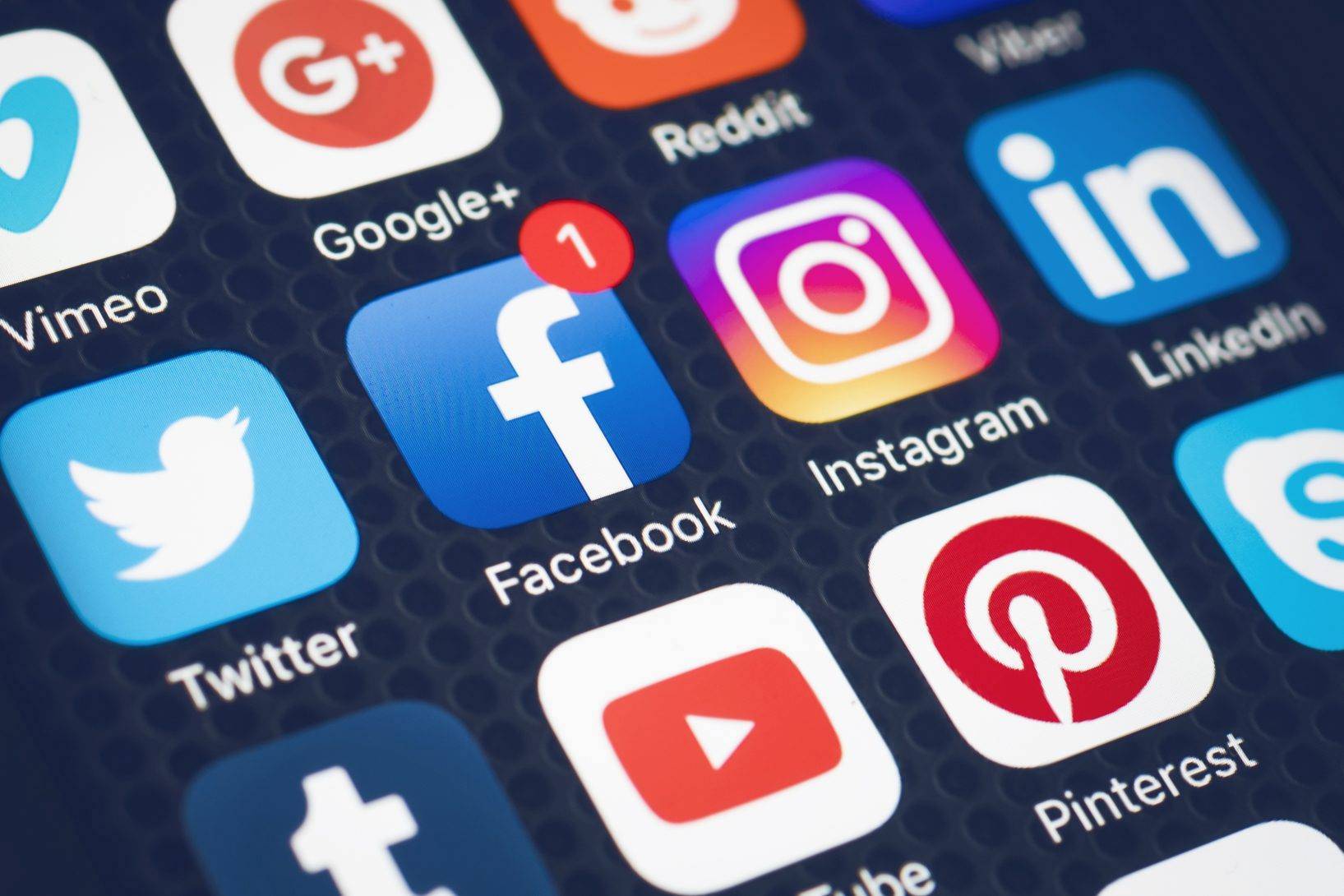
Beyond the five-year social media history—which could encompass usernames, handles, or associated phone numbers across platforms like Facebook, X (formerly Twitter), and Instagram—the proposal seeks additional layers of personal data:
-
Email addresses used over the past five years.
-
Telephone numbers used over the past ten years.
-
More extensive information about an applicant’s family members.
The DHS notice states the goal is to “enhance the vetting process” and “identify potential threats,” but does not specify exactly how the social media data would be analyzed or stored.
Context and Rationale
The policy is framed within the Trump administration’s broader national security agenda. The proposal text directly references President Trump’s January executive order, “Protecting the United States From Foreign Terrorists and Other National Security and Public Safety Threats.” It follows earlier measures, such as requiring social media identifiers from applicants for certain student and skilled worker (H1B) visas.
A senior State Department official, defending similar visa policies, stated, “It is an expectation from American citizens that their government will make every effort to make our country safer, and that is exactly what the Trump Administration is doing every single day.”
The move also coincides with reports that the administration’s existing travel ban, affecting several predominantly Muslim and African nations, may soon be expanded. This follows a recent shooting incident in Washington D.C., where an Afghan national was identified as a suspect.
Major Concerns and Criticism
The proposal has sparked immediate concern among digital rights advocates, immigration lawyers, and tourism analysts:
-
Civil Liberties & Privacy: Sophia Cope, a senior staff attorney at the Electronic Frontier Foundation, warned the policy could “exacerbate civil liberties harms” by invading privacy and chilling free expression, as travelers may self-censor online for fear of being denied entry.
-
Practical Implementation: Immigration law firm Fragomen noted the requirement could lead to significant delays in ESTA processing, creating uncertainty for travelers and airlines. Ambiguity over what constitutes a “social media identifier” or how to report usage on lesser-known or international platforms poses further complications.
-
Impact on Tourism Industry: Experts warn the move could deter visitors and exacerbate existing declines in international tourism to the U.S. The World Travel & Tourism Council recently projected the U.S. would be the only major economy to see a drop in international visitor spending in 2025. This trend has been partly attributed to previous Trump administration policies, including trade tensions. For instance, travel from Canada—which traditionally accounts for about a quarter of all international visitors to the U.S.—has declined for ten consecutive months, with some Canadians boycotting U.S. travel in protest of tariffs.
-
Security Efficacy: Some analysts question the effectiveness of mass social media collection, arguing it could generate vast amounts of irrelevant data, overwhelming screeners and potentially missing genuine threats obscured by linguistic or cultural nuance.
Broader Implications and Next Steps
The proposal comes at a sensitive time, as the U.S. prepares to co-host the 2026 FIFA World Cup with Canada and Mexico and host the 2028 Los Angeles Olympics—events expected to draw millions of international visitors.
The public has 60 days from the proposal’s publication to submit comments to the DHS. Whether the rule is ultimately implemented will depend on the administration’s review of that feedback and potential legal challenges. If enacted, it would set a new global benchmark for border security, compelling other nations to consider how they balance security, privacy, and the economic benefits of tourism in the digital age.
Our Pashto-Dari Website


Support Dawat Media Center
If there were ever a time to join us, it is now. Every contribution, however big or small, powers our journalism and sustains our future. Support the Dawat Media Center from as little as $/€10 – it only takes a minute. If you can, please consider supporting us with a regular amount each month. Thank you
DNB Bank AC # 0530 2294668
Account for international payments: NO15 0530 2294 668
Vipps: #557320

Comments are closed.