
Pakistan to Begin Deportation of Around 20,000 Afghans From Peshawar

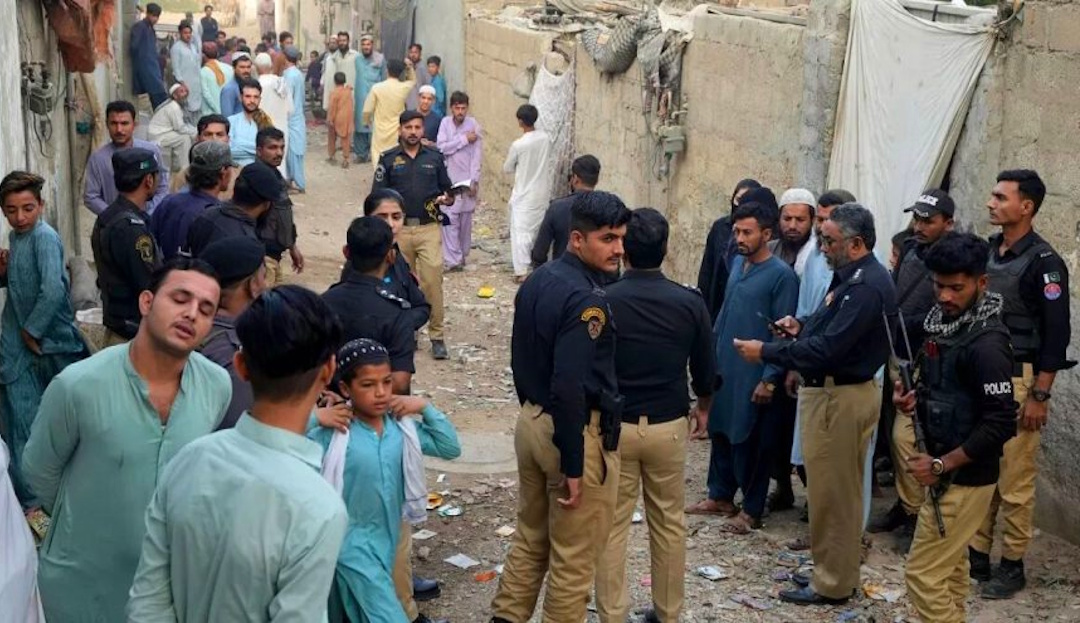
Pakistani authorities have finalized preparations for a new phase of deportations that could see around 20,000 Afghan nationals returned from the northwestern city of Peshawar to Afghanistan, according to a report by The Express Tribune, as Islamabad presses ahead with its nationwide campaign against undocumented foreign nationals.
The newspaper reported on Friday that authorities in Pakistan’s Khyber Pakhtunkhwa province have completed operational planning for a phased deportation exercise targeting Afghan nationals who are either living in the country without valid legal documentation or whose residency permits have expired. Police, district administrations and security agencies have reportedly coordinated the operation with federal authorities, with logistical arrangements now largely in place.
According to the report, police and intelligence agencies in Peshawar have prepared detailed lists of Afghan nationals expected to be included in the deportation drive. Federal agencies are expected to support provincial authorities during the implementation of the operation, which officials say will be carried out in phases to manage the large number of people involved.
The report said the operation is expected to begin after the conclusion of Pakistan’s ongoing nationwide polio vaccination campaign, although authorities have not announced an official start date. The delay is reportedly intended to avoid disrupting public health efforts currently underway across the country.
Under the reported plan, Afghan families from various neighborhoods in Peshawar will first be transported to the Nasir Bagh transit center, where officials will conduct registration, identity verification, biometric checks and other administrative procedures before transferring them to the Torkham border crossing for deportation to Afghanistan.
Authorities have reportedly gathered information on Afghan residents living in several parts of Peshawar, including Afghan Colony, Nasir Bagh, Chamkani, Charsadda Road, Ring Road and Board Bazaar. Officials have also compiled separate records of Afghan nationals employed in markets, factories, workshops and other commercial establishments as part of the preparations for the operation.
The latest move comes after Pakistan set July 10 as a key deadline for undocumented Afghan nationals to leave the country voluntarily or face deportation. The government has repeatedly stated that the campaign is aimed at enforcing immigration laws, strengthening border management and addressing national security concerns. Pakistani officials have denied that the policy specifically targets Afghans, maintaining that it applies to all foreign nationals residing in the country illegally.
Pakistan launched its nationwide deportation campaign in October 2023. Since then, hundreds of thousands of Afghans have either returned voluntarily or been deported through the Torkham and Spin Boldak border crossings, according to Pakistani authorities and United Nations agencies. The campaign has accelerated in 2025 and 2026 as Islamabad expanded enforcement measures to include Afghans holding expired documents and, in some cases, those awaiting resettlement in third countries.
The policy has drawn repeated criticism from the United Nations, the UN Refugee Agency (UNHCR), the International Organization for Migration (IOM) and numerous human rights organizations. They have warned that many Afghans being returned face an escalating humanitarian crisis in Afghanistan, where widespread poverty, food insecurity, unemployment and limited public services have left millions dependent on humanitarian assistance.
Rights groups have also expressed concern that vulnerable individuals—including women and girls, journalists, human rights defenders, former Afghan government employees, members of the former security forces, and others perceived to be at risk under Taliban rule could face persecution or serious protection risks upon return.
Pakistan has hosted one of the world’s largest Afghan refugee populations for more than four decades. Following the Taliban’s return to power in August 2021, hundreds of thousands of additional Afghans crossed into Pakistan, while many others remain there awaiting resettlement to countries such as the United States, Canada, Germany, Australia and several European nations after their relocation programs were delayed or slowed.
Humanitarian agencies continue to urge Pakistan to ensure that all returns are voluntary, safe, dignified and consistent with its international obligations, including the principle of non-refoulement, which prohibits returning individuals to places where they may face persecution or serious harm. The agencies have also called on the international community to expand refugee resettlement programs, accelerate pending relocation cases, and increase financial support for humanitarian operations assisting both returnees and displaced communities inside Afghanistan.
Our Pashto-Dari Website

Support Dawat Media Center
If there were ever a time to join us, it is now. Every contribution, however big or small, powers our journalism and sustains our future. Support the Dawat Media Center from as little as $/€10 – it only takes a minute. If you can, please consider supporting us with a regular amount each month. Thank you
DNB Bank AC # 0530 2294668
Account for international payments: NO15 0530 2294 668
Vipps: #557320

Comments are closed.