
Edit and Expansion: U.S. and Iran Assert Control Over the Strait of Hormuz Amid Escalating Hostilities

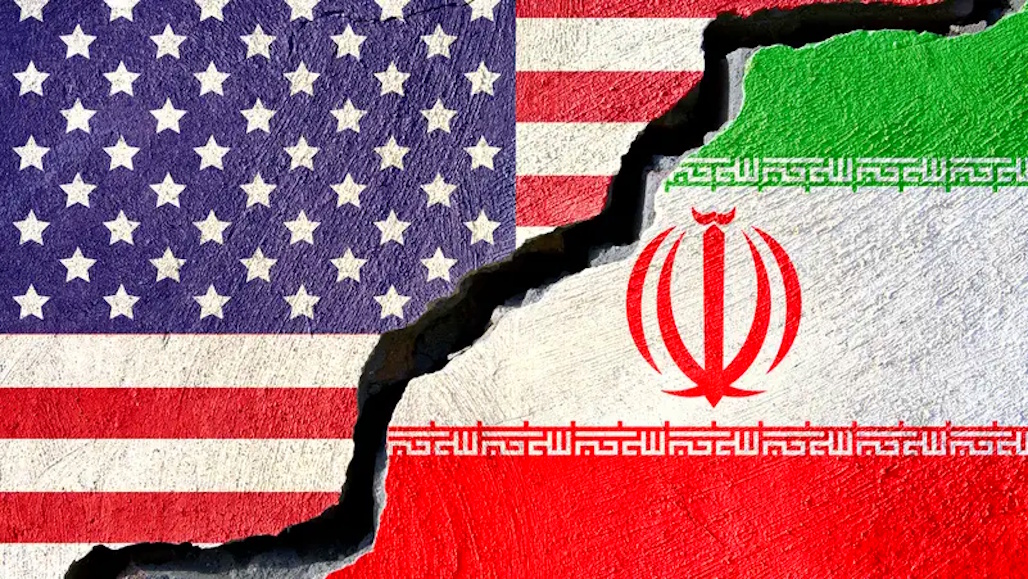
It has now been 135 days since the outbreak of the Iran War, and the strategic Strait of Hormuz the world’s most critical chokepoint for oil shipments remains a fiercely contested battleground between Tehran and Washington. Over the weekend, a fresh wave of attacks not only targeted Iranian positions but also sent shockwaves through Bahrain, Kuwait, Qatar, Jordan, and Oman, further eroding any remaining diplomatic avenues. By Monday, both governments declared that they had effectively seized command of the waterway, once an internationally recognized free passage for commercial and military vessels, now a heavily militarized frontier.
The timing is particularly precarious, as the U.S. and Iran are nearing the halfway mark of a 60-day interim deal period originally designed to lay the groundwork for negotiations toward a permanent ceasefire. With only weeks left before that window closes, hostilities have intensified rather than subsided, raising fears that the interim arrangement will collapse entirely.
The latest escalation began Sunday when Iran struck a container ship transiting the strait, an act the U.S. military condemned as a blatant assault on global commerce. In response, the U.S. launched its most massive retaliatory strike of the conflict thus far, hitting approximately 140 targets across Iranian military infrastructure. According to Pentagon officials, the bombardment included missile and drone launch sites, ammunition depots, radar installations, and communication relay stations far surpassing the scale of two previous rounds of strikes conducted last week. “We bombed the hell out of them last night,” U.S. President Donald Trump declared in an interview on NBC’s Meet the Press, underscoring the administration’s willingness to escalate militarily in the absence of diplomatic breakthroughs.
Iran, however, was quick to retaliate, launching its own volley of attacks against U.S. assets and allied vessels in the Gulf. Tehran’s leadership issued a defiant statement insisting that Iran and Iran alone holds the sovereign right to control the strait, dismissing U.S. claims of international stewardship. Iranian officials warned that any foreign military presence in the waterway would be treated as an act of aggression, further raising the stakes in what many analysts now describe as a proxy war with direct great-power confrontation.
On Monday, President Trump doubled down on U.S. ambitions, telling Fox News that the United States would henceforth act as the formal “guardian” of the Strait of Hormuz and that this guardianship would come at a price. “We’ll become the guardian of the Strait,” Trump said, adding that the U.S. had been protecting the waterway for “nothing” for far too long. He asserted that wealthy allied nations, particularly those in the Gulf region that rely heavily on oil exports through the strait, would now be expected to reimburse the United States for its military deployments and operational costs. “We’re going to get paid for guarding it. A lot of money, but we just want to be reimbursed for doing all of this, for putting our people in danger,” he told Fox, as reported by AFP.
Trump’s remarks have already drawn mixed reactions from regional allies. While some Gulf states privately acknowledge their dependence on U.S. naval power, others view the demand for payment as a destabilizing shift in long-standing security arrangements. Meanwhile, international maritime organizations have voiced alarm over the strait’s new status, warning that unilateral control claims by either side could trigger a wider economic crisis, spiking global oil prices and disrupting supply chains that feed into Europe and Asia.
As the 60-day diplomatic window continues to shrink, the coming weeks will likely determine whether the U.S. and Iran can be pulled back from the brink—or whether the Strait of Hormuz becomes the flashpoint for a far broader and deadlier confrontation. For now, with both capitals digging in, free navigation appears to be a casualty of war, and the world watches anxiously as two adversaries brace for what comes next.
Our Pashto-Dari Website

Support Dawat Media Center
If there were ever a time to join us, it is now. Every contribution, however big or small, powers our journalism and sustains our future. Support the Dawat Media Center from as little as $/€10 – it only takes a minute. If you can, please consider supporting us with a regular amount each month. Thank you
DNB Bank AC # 0530 2294668
Account for international payments: NO15 0530 2294 668
Vipps: #557320

Comments are closed.