

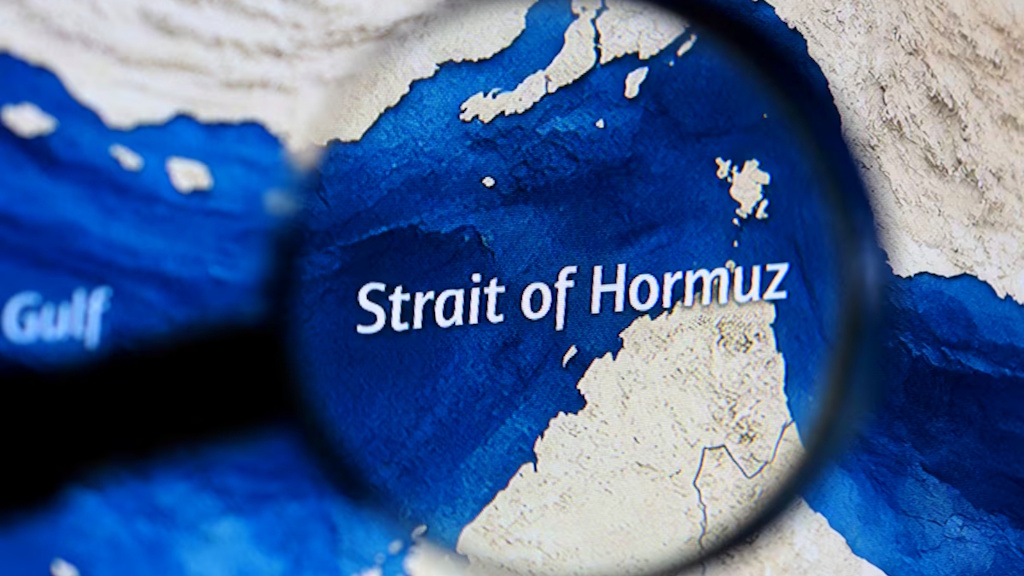
Tehran, August 3, 2026 – Iran’s foreign ministry announced on Sunday that it is on the verge of finalizing a landmark agreement with Oman to establish a new maritime route through the strategic Strait of Hormuz a corridor that would operate independently of the long-established northern and southern shipping lanes.
Foreign ministry spokesman Esmaeil Baghaei, speaking in an interview with state television, described the prospective route as a compromise that sidesteps existing territorial claims. “We are now going to reach an understanding on a route acceptable to both sides neither the northern route nor the southern route but one that respects the sovereign rights of both states and safeguards our national interests and security,” Baghaei said. While he offered no specific coordinates or operational timeline, the remarks signal a rare bilateral effort to manage one of the world’s most contested chokepoints outside the shadow of broader regional hostilities.
The Strait of Hormuz, a 21-mile-wide waterway separating Iran from the Arabian Peninsula, typically handles roughly 20% of global seaborne oil shipments approximately 17 million barrels per day under normal conditions. However, since the outbreak of war on February 28, Iran has effectively asserted de facto control over the strait, disrupting traffic and triggering volatility in global energy markets. The new Omani-mediated route is widely seen as an attempt to restore some predictability to maritime transit without ceding Iran’s strategic leverage.
Earlier on Sunday, Iran’s official IRNA news agency quoted Foreign Minister Abbas Araghchi as saying that negotiations with Oman the only other littoral state bordering the strait were “on track for finalization and were going through their final stages.” Araghchi did not elaborate on the technical or legal framework of the proposed corridor, but diplomatic sources in Muscat suggest the arrangement could involve designated transit zones, joint monitoring protocols, and staggered shipping schedules to deconflict military and civilian traffic.
Omani officials have not yet issued a formal response, though Muscat has historically acted as a quiet intermediary between Tehran and Western powers, and its role in this initiative is consistent with its long-standing diplomatic posture.
Distancing from the Broader Conflict
Baghaei took care to frame the bilateral understanding as separate from the ongoing standoff with the United States, which has effectively closed the strait to many international vessels since March. “An understanding between Iran and Oman on a new route has nothing to do with whether the Strait of Hormuz is reopened or remains closed,” he emphasized, directly blaming Washington for the current paralysis. “The Strait was closed because of the United States’ breach of its commitments, its naval blockade of Iran, and all the hostile measures that the United States has taken against the Islamic Republic during this period.”
His comments reference a short-lived détente reached in mid-June, when Tehran and Washington signed a provisional agreement that included provisions on Hormuz access and a roadmap for renewed diplomatic engagement. That accord collapsed within weeks, with both sides trading accusations of violations. Subsequent U.S. naval operations in the Gulf and Iranian retaliatory strikes against regional assets have deepened mistrust, leaving the strait’s status unresolved and military tensions high.
Strategic Implications
If finalized, the Iran-Oman route would mark a significant diplomatic achievement for Tehran, allowing it to project an image of constructive engagement with a neighboring Gulf state while maintaining pressure on the U.S. and its allies. For Oman, the deal reinforces its role as a regional peacebroker and could offer commercial advantages, including increased port activity and transit fees.
However, analysts caution that the new corridor’s viability remains uncertain. Any unilateral Iranian-defined route could be challenged by other Gulf states or international maritime law, and the absence of U.S. or Western buy-in raises questions about insurance, naval protection, and compliance with existing sanctions regimes. Furthermore, the deal does not address the broader security architecture in the Gulf, leaving the door open for further escalation should military confrontations resume.
What Comes Next
With Araghchi hinting at an imminent finalization, diplomatic observers expect the agreement to be formally announced within days, possibly alongside technical annexes on navigation safety, environmental protections, and dispute resolution mechanisms. Whether the new route will be recognized by the International Maritime Organization or gain traction with global shipping firms remains to be seen but for now, Tehran and Muscat appear determined to carve out a bilateral solution in a waterway that has long been a flashpoint for great-power rivalry.
As Baghaei put it in his televised remarks, “This is not about opening or closing it is about defining a new reality on our own terms.”
Our Pashto-Dari Website

Support Dawat Media Center
If there were ever a time to join us, it is now. Every contribution, however big or small, powers our journalism and sustains our future. Support the Dawat Media Center from as little as $/€10 – it only takes a minute. If you can, please consider supporting us with a regular amount each month. Thank you
DNB Bank AC # 0530 2294668
Account for international payments: NO15 0530 2294 668
Vipps: #557320

Comments are closed.