
Karzai Urges Pakistan to Spare Afghan Students from Visa Crisis Amid Broader Tensions

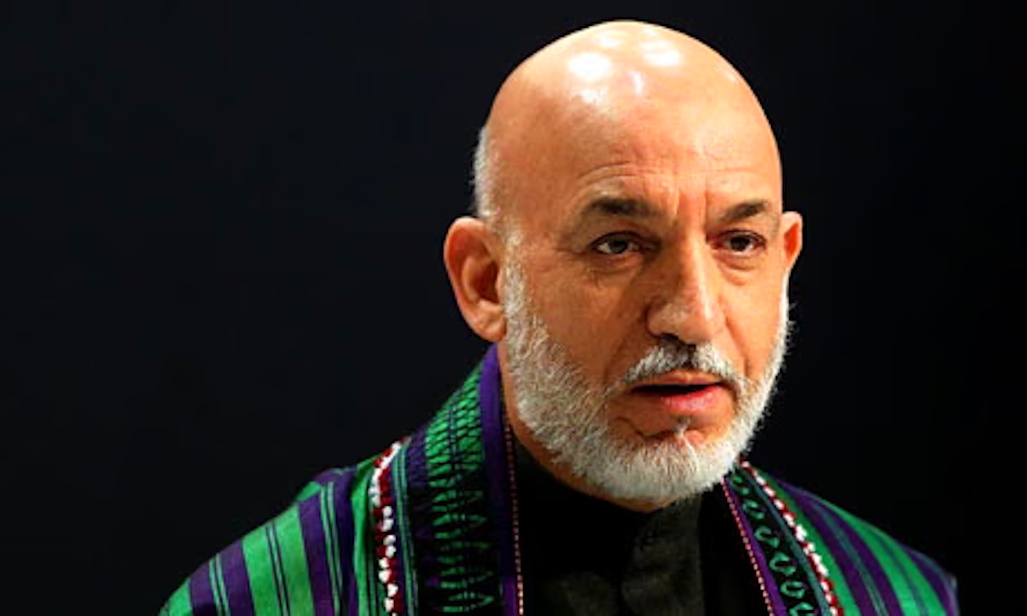
Former Afghan President Hamid Karzai has voiced deep concern over mounting reports that Afghan students in Pakistan are encountering serious difficulties in renewing their visas, alongside allegations of harassment and intimidation by Pakistani authorities. In a public statement issued over the weekend, Karzai described the situation as “regrettable” and called on Pakistan’s relevant officials to decouple the administrative treatment of Afghan students from the wider political and diplomatic strains currently affecting bilateral relations.
“These young Afghans have traveled to Pakistan for one sole purpose: to pursue their education,” Karzai said. “They should be treated in full accordance with the standards and practices normally extended to students in academic institutions anywhere in the world. Their residency status must not be weaponized or entangled with broader state-level disputes.”
Karzai stressed that Afghan students should be allowed to continue their studies without facing legal or administrative obstacles tied to their immigration status, warning that any disruption to their academic progress would be a “grave injustice” to individuals who have invested years in their education.
His comments come at a time of growing anxiety among Afghanistan’s student community in Pakistan, where visa renewal delays have become increasingly chronic. Last month, Abdul Jabbar Takhari, the Islamic Emirate’s Consul General in Karachi, confirmed that while many Afghan students in Sindh province have been permitted to attend university classes, they have been unable to officially renew their expired visas because Pakistani authorities have yet to process or issue new documentation. This administrative gridlock has left hundreds of students in a precarious legal limbo, unable to travel, work part-time, or plan their academic futures with any certainty.
Takhari further noted that the situation is even more acute in other provinces, such as Balochistan and Khyber Pakhtunkhwa, where Afghan students reportedly face a heightened risk of detention or deportation. These students, he said, are particularly vulnerable as Pakistan continues its aggressive nationwide crackdown on undocumented foreign nationals—a campaign that has intensified since late 2023.
That campaign, which has already resulted in the forced return of hundreds of thousands of Afghans, was initially framed as a security-driven measure targeting individuals without valid residency papers. Although students holding valid visas were officially exempted, the prolonged renewal delays have effectively eroded that protection. Many students now fear that even a short lapse in documentation could expose them to arrest, incarceration, or summary expulsion, regardless of their enrollment status.
Afghan diplomatic missions have repeatedly urged Pakistani authorities to establish a fast-track or emergency visa renewal mechanism specifically for students. They have warned that continued inaction could derail the education of thousands of young Afghans, many of whom are pursuing degrees in medicine, engineering, and other critical fields that Afghanistan urgently needs to rebuild its war-torn society.
The visa impasse also threatens to deepen mistrust between the two neighboring countries, whose relations have been strained by cross-border security disputes, trade blockades, and Pakistan’s accusations that Afghan soil is used by militant groups claims that Kabul has denied. Karzai’s intervention underscores a rare moment of cross-political alignment, as both his administration and the current Taliban-led government have voiced similar concerns over the treatment of Afghan nationals in Pakistan.
As the academic year presses on, student advocacy groups have called for international mediation, urging the United Nations and regional bodies to pressure Islamabad into honoring its obligations under bilateral educational exchange agreements. For now, however, thousands of Afghan students remain caught between their classrooms and an uncertain future waiting for a bureaucratic breakthrough that has yet to arrive.
Our Pashto-Dari Website
Support Dawat Media Center
If there were ever a time to join us, it is now. Every contribution, however big or small, powers our journalism and sustains our future. Support the Dawat Media Center from as little as $/€10 – it only takes a minute. If you can, please consider supporting us with a regular amount each month. Thank you
DNB Bank AC # 0530 2294668
Account for international payments: NO15 0530 2294 668
Vipps: #557320

Comments are closed.