

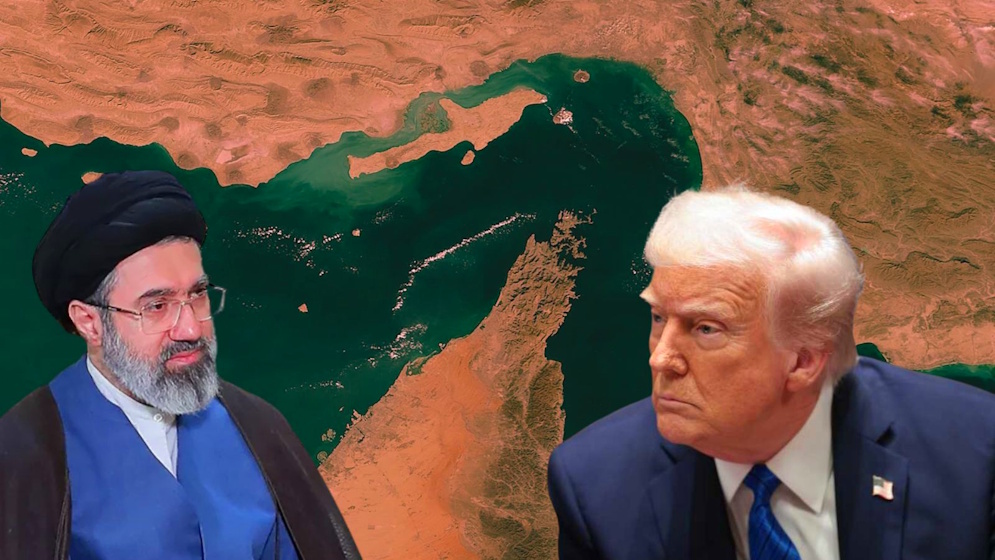
Iran Threatens Complete Strait of Hormuz Closure if U.S. Attacks Plants; Tensions Surge as War of Words Escalates
TEHRAN/WASHINGTON – Iran issued a stark warning to the United States on Sunday, vowing to immediately and fully shut down the strategic Strait of Hormuz if Washington proceeds with strikes on Iranian power plants. The threat marks a significant escalation in the ongoing conflict, coming in response to a 48-hour ultimatum issued by U.S. President Donald Trump.
President Trump’s ultimatum demanded that Tehran fully reopen the strait—a vital global oil corridor that has been effectively disrupted since hostilities began on February 28—warning that failure to comply would trigger U.S. military strikes on Iranian energy infrastructure.
In a combative response, Iranian military spokesman Ebrahim Zolfaghari referred to President Trump as the “terrorist president of the United States” and outlined a series of immediate retaliatory measures should the U.S. carry out its threat. Speaking on state television, Zolfaghari insisted that the waterway is only closed to “enemies.”
“We have repeatedly said the Strait of Hormuz is closed only to the enemy and to harmful traffic,” Zolfaghari said. “It has not yet been completely closed and is under our intelligent control, and harmless transit—under specific regulations that ensure our security and interests—is allowed.”
He detailed a multi-pronged retaliatory plan:
-
Complete Closure: The Strait of Hormuz will be shut entirely and will not reopen until all damaged Iranian power plants are rebuilt.
-
Strikes on Israel: Iran will broadly target all power plants and energy and information technology infrastructure in Israel.
-
Targeting U.S. Commercial Interests: All companies in the region with American shareholders will be “completely destroyed.”
-
Regional Expansion: Power plants in neighboring countries that host U.S. military bases will be considered legitimate military targets.
Pezeshkian: “Ready to Face on the Battlefield”
Echoing the military’s defiance, Iranian President Masoud Pezeshkian responded to Trump’s ultimatum by asserting Tehran’s readiness for direct confrontation. “We are ready to face [our enemies] on the battlefield,” Pezeshkian stated, underscoring the regime’s resolve to meet force with force.
U.S. Treasury Chief: “Plenty of Money for War”
In Washington, U.S. Treasury Secretary Scott Bessent struck a nonchalant tone regarding the financial capacity for a potential conflict. He confirmed that the administration is preparing substantial military funding.
“We have plenty of money to fund this war,” Bessent told NBC. He added that the administration has requested a $200 billion supplemental budget from the Pentagon to bolster the military’s future capabilities. Bessent claimed that President Trump has a clear understanding of Iran’s “endgame,” noting the administration’s focus on rebuilding military supplies. The proposed supplemental funding, however, has already encountered stiff opposition from Democratic lawmakers and skepticism from some Republicans regarding its necessity.
Iran Arrests 23 on Spy Charges, Internet Blackout Continues
As military tensions mount, Iran’s Intelligence Ministry announced the arrest of 23 individuals accused of espionage for U.S. and Israeli military forces. According to a ministry statement, the arrests took place in Markaz province in west-central Iran. The suspects allegedly provided coordinates of military sites to an international media platform and plotted to attack police centers.
Meanwhile, a nationwide internet blackout entered its 23rd day, severely restricting civilians’ access to independent news and information, according to online monitoring group NetBlocks. The Iranian judiciary has also intensified a crackdown on dissent, initiating legal action against a “small number” of media outlets, journalists, public figures, and celebrities since the outbreak of the war. Without disclosing specific charges, the judiciary reported carrying out arrests, property seizures, activity bans, and blocking several news websites and a news agency.
Humanitarian Toll Mounts
The conflict’s impact on civilians continues to deepen. Iran’s Health Minister, Mohammad Reza Zafarghandi, reported that since February 28, 210 Iranian children have been killed and 1,510 injured. He added that attacks have damaged 300 health, treatment, and emergency centers across the country.
The Iranian Red Crescent Society stated that over 81,000 buildings have been damaged in U.S. and Israeli strikes, indicating widespread destruction of infrastructure.
Strategic Context: The Strait’s Global Importance
The Strait of Hormuz, a narrow waterway separating Iran and Oman, is the world’s most critical oil transit chokepoint. Approximately 20% of the world’s oil and liquefied natural gas passes through it. Since the conflict began, recent attacks on shipping have sharply reduced traffic, pushing global crude prices above $100 per barrel. A complete closure, as threatened by Iran, would have immediate and severe repercussions for global energy markets and the world economy.
Our Pashto-Dari Website

Support Dawat Media Center
If there were ever a time to join us, it is now. Every contribution, however big or small, powers our journalism and sustains our future. Support the Dawat Media Center from as little as $/€10 – it only takes a minute. If you can, please consider supporting us with a regular amount each month. Thank you
DNB Bank AC # 0530 2294668
Account for international payments: NO15 0530 2294 668
Vipps: #557320

Comments are closed.