
Major Powers to Convene in Istanbul for High-Stakes Nuclear Talks Amid Regional Escalation Fears

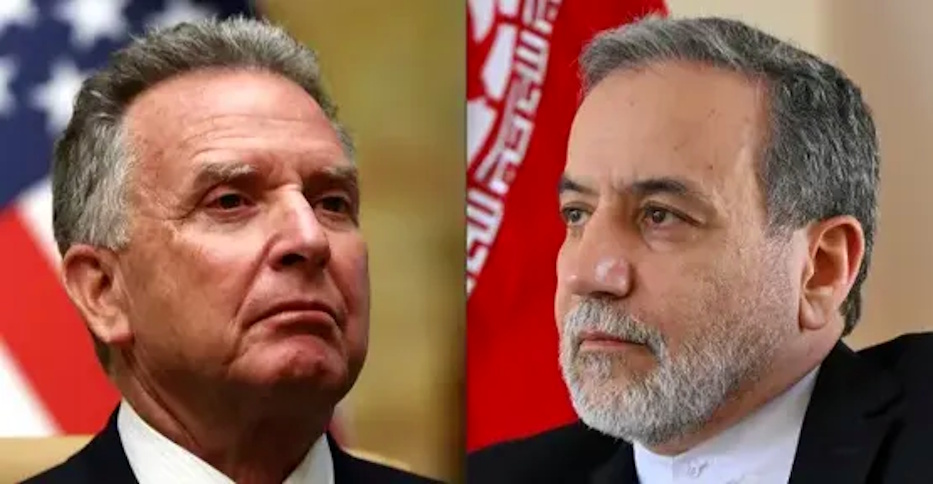
ISTANBUL – The United States and Iran are set to resume critical nuclear negotiations this Friday in Istanbul, marking the first attempt at direct dialogue since indirect talks collapsed following a period of intense regional conflict and military posturing. The discussions will see U.S. Special Envoy for Iran, Steve Witkoff, meet with Iranian Deputy Foreign Minister and lead nuclear negotiator, Abbas Araqchi, in a bid to revive stalled diplomacy and prevent a dangerous escalation.
The talks unfold against a backdrop of sustained tensions, driven by disputes over Iran’s nuclear program, its regional activities, and recent domestic unrest. U.S. President Donald Trump has reiterated warnings of “bad things” if a deal cannot be reached, even as the U.S. maintains a significant naval presence in the Persian Gulf.
Expanded Regional Participation
In a significant development, the Istanbul talks are expected to include a broader circle of regional stakeholders. According to a regional diplomatic official who spoke to Reuters on condition of anonymity, foreign ministers from several nations have been invited to participate. The list includes Saudi Arabia, Egypt, Qatar, the United Arab Emirates, Oman, and Pakistan. This format suggests a growing recognition that de-escalation requires a multilateral regional effort.
“The priority of talks this week is to avoid any conflict and de-escalate tensions between the two sides,” the official stated, adding that while the exact format remains unclear, a “main meeting” is scheduled for Friday.
Iran’s Stance: Defense is Non-Negotiable
Iran has confirmed its participation, signaling a willingness to engage despite profound disagreements. An Iranian diplomatic source told Reuters that Tehran is “neither optimistic nor pessimistic” about the talks but firmly stated that Iran “would not negotiate over its defensive capabilities.” This position directly references Iran’s ballistic missile program, which it frames as an essential deterrent.
Past negotiations have repeatedly stalled over key issues, including permissible levels of uranium enrichment, the scope of inspections, and U.S. demands to curtail Iran’s missile development and regional influence. These same obstacles make any immediate breakthrough challenging.
Regional Diplomacy in Motion
Concurrent diplomatic efforts are underway to lower temperatures. On Saturday, Qatari Prime Minister Sheikh Mohammed bin Abdulrahman al-Thani met with senior Iranian security official Ali Larijani in Tehran to discuss de-escalation. Echoing these efforts, Qatar’s Foreign Ministry spokesperson, Majed Al-Ansari, said Tuesday that “there is regional collaboration and ongoing efforts aimed at ensuring de-escalation concerning Iran.”
The inclusion of regional powers like Saudi Arabia and the UAE—longtime adversaries of Iran—points to a potential shift toward a more inclusive security dialogue. However, it also underscores the complex web of rivalries that any comprehensive agreement must navigate.
High Stakes and Low Expectations
Analysts suggest that the immediate goal of the Istanbul meeting is likely modest: to re-establish a channel of communication, avert a military confrontation, and explore the possibility of a phased return to compliance with the 2015 nuclear deal, known as the JCPOA, which the U.S. abandoned in 2018. The outcome will be closely watched by global markets and governments worldwide, as failure could precipitate a new cycle of escalation in an already volatile region.
The world now looks to Istanbul, where diplomats will grapple with one of the most enduring and perilous standoffs in international politics.
Our Pashto-Dari Website

Support Dawat Media Center
If there were ever a time to join us, it is now. Every contribution, however big or small, powers our journalism and sustains our future. Support the Dawat Media Center from as little as $/€10 – it only takes a minute. If you can, please consider supporting us with a regular amount each month. Thank you
DNB Bank AC # 0530 2294668
Account for international payments: NO15 0530 2294 668
Vipps: #557320

Comments are closed.