

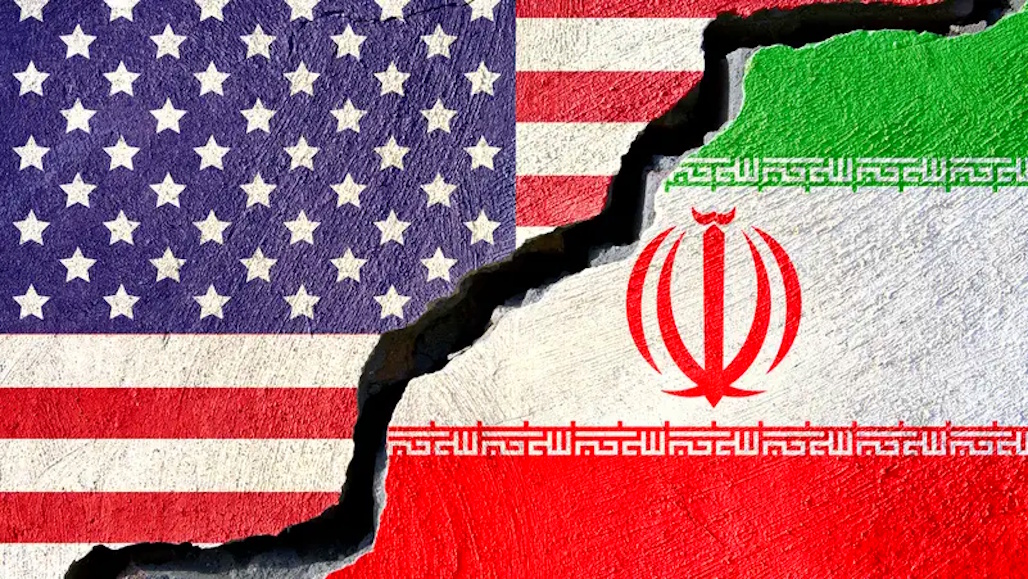
Washington/Doha – Iran and the United States have agreed to cease recent hostilities and renew diplomatic negotiations over their long-standing dispute concerning the strategic Strait of Hormuz, a U.S. official confirmed on Sunday. The unexpected breakthrough raises cautious hopes of salvaging an interim peace accord that had been severely strained by days of reciprocal military strikes and escalating rhetoric.
“Technical talks are slated to continue on all areas of the MOU. Both sides will stand down for now, and vessels can move freely,” the official told reporters, referencing the 14-point memorandum of understanding signed on June 17, which had originally reopened the strait—a critical chokepoint for global oil shipments—to commercial traffic.
The news, first reported by Axios citing a senior U.S. official, indicated that follow-up negotiations would resume on Tuesday in Qatar, with mediators from both Doha and Switzerland expected to facilitate the dialogue. The development comes after a volatile weekend that saw fresh Iranian missile and drone strikes against U.S. military positions in the Gulf, as well as renewed American airstrikes on Iranian assets.
A Fragile Pause After Days of Escalation
The return to diplomacy follows a spiral of violence that began Thursday, when an Iranian projectile struck a cargo vessel in the Strait of Hormuz. Washington and Tehran traded blame for violating the June 17 interim ceasefire, with each side insisting the other had acted provocatively. That incident unraveled a brief period of calm and triggered a rapid succession of retaliatory actions.
Early Sunday, Iran launched missiles and armed drones at U.S. military installations in Kuwait and Bahrain, just hours after President Donald Trump issued a stark warning on social media, threatening that “the Islamic Republic of Iran will no longer exist” if it failed to uphold the terms of the agreement. Trump’s ultimatum drew sharp criticism from regional analysts, who warned it could further destabilize an already volatile Gulf.
Despite the truce announcement, the situation on the ground remains tense. In a separate but interconnected theater, Israel confirmed Sunday that it had once again struck Iran-backed Hezbollah militants in southern Lebanon, destroying underground infrastructure and weapons caches in a village near the border. The operation followed a similar Israeli strike on Saturday, which came hot on the heels of a Friday ceasefire deal with Lebanon nan agreement Tehran has publicly conditioned upon a broader regional halt to hostilities.
U.S. Strikes and Iranian Retaliation
The U.S. military acknowledged earlier Sunday that it had conducted fresh strikes against Iranian targets, launched hours after another tanker was hit in the Strait of Hormuz the world’s most vital energy artery, through which nearly one-fifth of global petroleum passes. Tehran has effectively closed the strait for much of the ongoing conflict, disrupting global energy markets and prompting emergency consultations among major importers.
Trump, in his pre-truce social media post, had escalated his tone significantly: “There may come a point when we are no longer able to be reasonable, and will be forced to militarily complete the job that we very successfully started. If that happens, the Islamic Republic of Iran will no longer exist!” The White House later declined to clarify whether the president’s remarks were meant as a formal policy shift or rhetorical brinkmanship.
The 14-point interim peace accord, originally brokered in June, was designed to halt the broader conflict which the U.S. and Israel initiated on February 28 and restore freedom of navigation through the strait while talks continued on outstanding issues, including Iran’s nuclear enrichment program and its regional military posture.
Diplomacy Under Fire
Just a week ago, a round of mediated negotiations took place in Switzerland, led by U.S. Vice President JD Vance and Iran’s parliamentary speaker, Mohammad Bagher Ghalibaf. In a goodwill gesture, Washington temporarily waived select sanctions on Tehran, but the goodwill quickly evaporated as fighting resumed with renewed intensity.
The fragile diplomatic window now appears to hinge on both sides honoring the stand-down agreement. Yet skepticism remains high, particularly after the IRGC’s naval command warned that American bases in the region “will experience hell in the coming days” if U.S. strikes continued. Iran’s state-run Press TV quoted the IRGC as saying that Washington’s violations of the ceasefire “will result in the complete halt of all diplomatic processes.”
Regional Fallout and Casualties
About an hour after Trump’s post, Kuwait’s army confirmed that its air defenses had engaged incoming missiles and drones, while Bahrain reported air-raid sirens across multiple locations. The Islamic Revolutionary Guard Corps (IRGC) later claimed responsibility, stating its naval and air forces had targeted U.S. facilities in both countries in response to American strikes.
A U.S. official, speaking on condition of anonymity, confirmed to Reuters that Iranian projectiles had indeed struck near American installations but reported no U.S. casualties and only minor damage to infrastructure. “The situation is still unfolding,” the official added, urging caution.
Hours later, alarms sounded for a second time in Bahrain, where authorities reported that an Iranian attack had damaged a residential building in Muharraq province. No casualties were immediately reported, but Bahrain’s government urgently called on the UN Security Council to convene an emergency session to hold Iran accountable for what it termed “a blatant act of aggression.”
Kuwait’s military, meanwhile, said it had successfully intercepted two ballistic missiles, with no damage or injuries reported on its territory.
In a tragic side note, Qatar’s interior ministry announced that one of its nationals had died from shrapnel wounds sustained aboard a vessel that went missing on Saturday. A second crew member was injured in the same incident, which the ministry attributed to “military operations in the area” without specifying a location or assigning blame. The Qatari government has not yet commented on whether the vessel was operating within the strait or in adjacent waters.
What Lies Ahead
As diplomats prepare for Tuesday’s talks in Qatar, the international community is watching closely. The United Nations and several European powers have urged both sides to exercise maximum restraint and commit to the ceasefire in good faith. Analysts caution, however, that the mutual distrust runs deep, and any further provocation whether in the Gulf, Lebanon, or elsewhere could collapse the nascent truce and plunge the region back into open conflict.
For now, the Strait of Hormuz remains open, vessels are moving, and diplomats are talking. But with hardliners on both sides spoiling for a fight and regional proxies already engaged, the path to lasting peace remains exceedingly narrow.
Our Pashto-Dari Website

Support Dawat Media Center
If there were ever a time to join us, it is now. Every contribution, however big or small, powers our journalism and sustains our future. Support the Dawat Media Center from as little as $/€10 – it only takes a minute. If you can, please consider supporting us with a regular amount each month. Thank you
DNB Bank AC # 0530 2294668
Account for international payments: NO15 0530 2294 668
Vipps: #557320

Comments are closed.