
17 Million Afghans Face Acute Food Insecurity as Funding Crisis Deepens, U.N. Warns

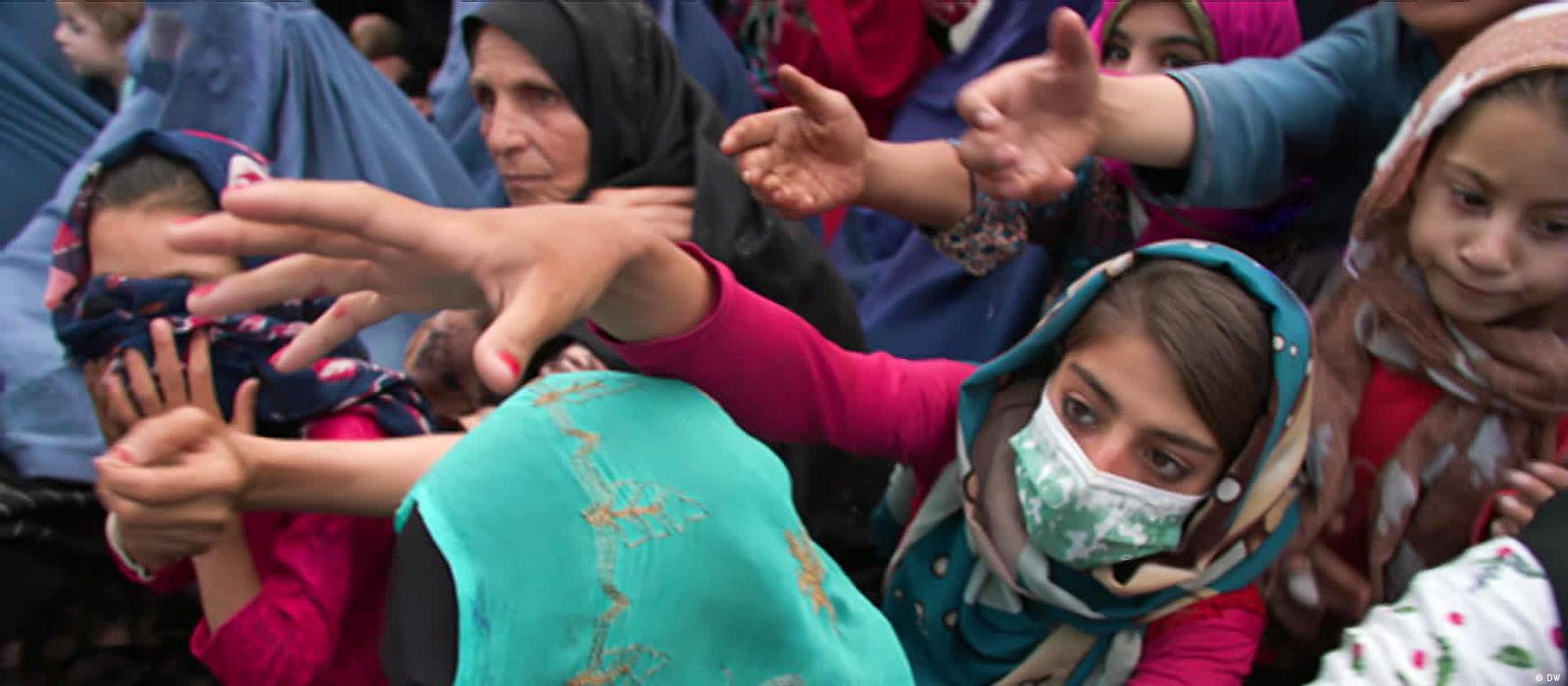
Afghanistan’s already dire humanitarian situation is deteriorating at an alarming rate, driven by a catastrophic shortfall in international funding that is forcing aid agencies to shutter food programs and curtail life-saving services. The United Nations and Human Rights Watch (HRW) have jointly warned that millions of Afghans are now being pushed to the brink of starvation as the global community’s attention shifts elsewhere.
According to the latest U.N. estimates, more than 17 million people nearly half the country’s population will experience acute food insecurity throughout 2026, a figure that represents a sharp increase from previous years. In total, approximately 22 million Afghans are in urgent need of humanitarian assistance, encompassing food, potable water, emergency healthcare, shelter, and protection services. The most vulnerable groups including women, children, internally displaced persons (IDPs), and returning refugees continue to bear the heaviest burden, with malnutrition rates among children under five reaching critical thresholds in several provinces.
The crisis has been compounded by a severe erosion of donor support. By mid-2026, the U.N.’s Humanitarian Response Plan had secured less than 20 percent of its required budget, marking one of the lowest funding rates since the Taliban’s takeover in 2021. This financial vacuum has already forced major humanitarian organizations to reduce food rations by half in some regions, suspend mobile health clinics, and shutter community kitchens that once served as a last resort for the destitute.
Aid agencies point to a pronounced decline in contributions from traditional donors, particularly the United States, whose humanitarian funding has seen significant reductions amid shifting foreign policy priorities and domestic budgetary pressures. European allies, too, have scaled back their commitments, leaving the U.N. and its partners with an impossible choice: prioritize only the most extreme cases of malnutrition and displacement while turning away millions of other families in distress.
“We are witnessing a slow-motion collapse of the humanitarian safety net,” said Fereshta Abbasi, Afghanistan researcher at Human Rights Watch. Drawing on months of interviews conducted across urban centers and remote rural districts, Abbasi painted a harrowing picture of survival: parents skipping meals so their children can eat, families selling their last livestock for a fraction of their value, and entire households relying on the charity of neighbors who are themselves struggling to find their next meal. “The dignity of Afghans is being stripped away, not by war alone, but by indifference,” she added.
Compounding the famine threat is the mass repatriation of more than five million Afghan migrants from Iran and Pakistan over the past two years. These returns often forced and abrupt have flooded a fragile economy already reeling from a decade of drought, rampant unemployment, and a banking system in disarray. Host communities, many of which lack basic infrastructure, are now straining to absorb new arrivals, leading to overcrowded shelters, overwhelmed water sources, and heightened competition for scarce wage labor.
The Taliban government’s restrictions on female humanitarian workers have further crippled aid delivery. Since December 2022, the de facto authorities have barred Afghan women from working with most non-governmental organizations a policy that HRW and the U.N. have condemned as a violation of both international law and basic humanitarian principles. Female-headed households, which make up a significant portion of the displaced population, are now effectively cut off from food distributions, vaccination campaigns, and maternal health services, as male aid workers are often prohibited from interacting with women in conservative communities.
Afghanistan today remains one of the world’s largest and most complex humanitarian emergencies a multi-layered disaster born from economic collapse, climate-induced droughts, decades of conflict, and a governance vacuum that has eroded public health, education, and sanitation systems. The country’s agricultural output has plummeted due to erratic rainfall and exhausted groundwater, while the collapse of the industrial sector has left millions without formal employment.
The United Nations and its humanitarian partners have issued repeated and increasingly urgent appeals, warning that without an immediate infusion of new, flexible funding, the number of Afghans facing catastrophic levels of hunger (IPC Phase 5) could double by the end of the year. They caution that further reductions in food aid will not only deepen malnutrition and poverty but also trigger secondary crises, including mass displacement, child labor, forced marriages, and a resurgence of preventable diseases.
“The international community cannot claim to be surprised when famine returns to Afghanistan,” a senior U.N. official stated on condition of anonymity. “Every day of delay in funding translates into lives lost not in the future, but right now, in real time.”
As the Taliban-led administration remains diplomatically isolated and economically paralyzed, the burden of survival has shifted almost entirely onto exhausted Afghan families and a shrinking band of humanitarian workers. Whether the world will respond before the clock runs out remains the defining question of Afghanistan’s bleakest winter yet.
Our Pashto-Dari Website

Support Dawat Media Center
If there were ever a time to join us, it is now. Every contribution, however big or small, powers our journalism and sustains our future. Support the Dawat Media Center from as little as $/€10 – it only takes a minute. If you can, please consider supporting us with a regular amount each month. Thank you
DNB Bank AC # 0530 2294668
Account for international payments: NO15 0530 2294 668
Vipps: #557320

Comments are closed.