
Afghan Migrants in Tajikistan Fear Arrests, Deportation After Crackdown Following Murder Investigation

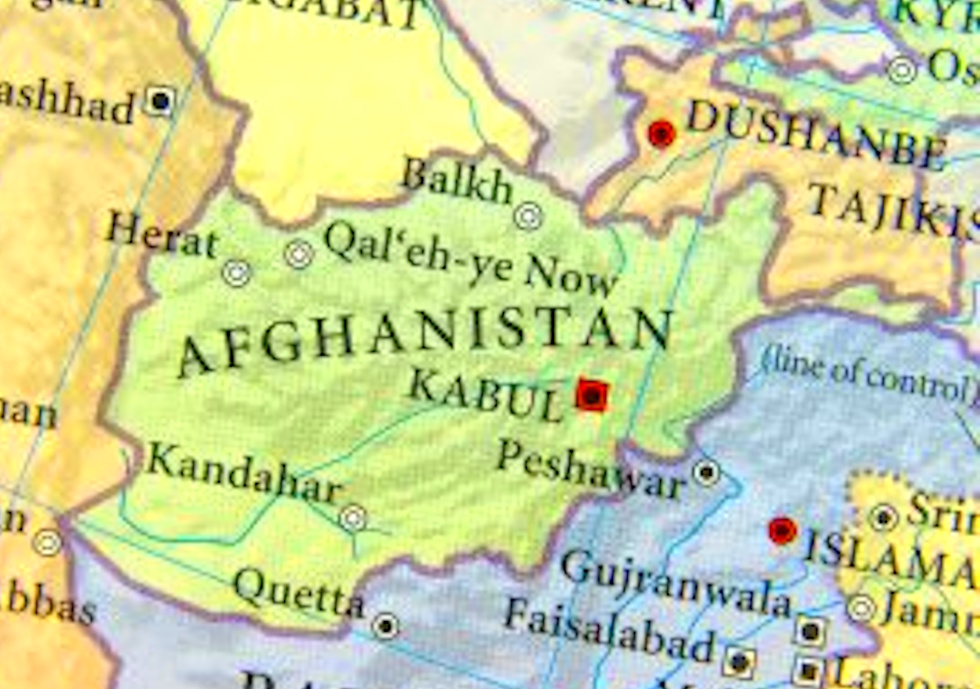
DUSHANBE, Tajikistan – Hundreds of Afghan migrants in Tajikistan are living in fear and uncertainty after a murder investigation triggered a wave of arrests and reported deportations, raising alarms among refugee advocates and human rights groups.
The crackdown began after the killing of a Tajik woman in the northern city of Khujand on April 30. According to regional media reports, an Afghan citizen was later arrested in connection with the case. Soon after, security operations intensified across Sughd province, where authorities allegedly detained between 200 and 250 Afghan migrants. Local sources claim that many have since been deported back to Afghanistan, a country still grappling with economic collapse and severe human rights restrictions under Taliban rule.
Tajik officials have not publicly detailed the scope or legal basis of the operations, and it remains unclear whether those detained were directly linked to the investigation or swept up in a broader enforcement action. The lack of transparency has only deepened anxiety within the Afghan community.
“We are afraid to leave our homes,” one Afghan resident in Khujand told local media, speaking on condition of anonymity for fear of reprisal. “Even going to the market or walking to work feels dangerous. People are being taken away without explanation.”
The estimated 9,000 Afghan migrants currently in Tajikistan include students, traders, and families who fled the Taliban’s return to power in August 2021. Many had hoped to use Tajikistan as a transit point for resettlement programs, particularly to Canada and other Western nations. However, most remain in legal limbo, holding only temporary residence or refugee status with limited long-term protections.
Tajikistan has historically been one of the more welcoming Central Asian hosts for Afghan refugees, sharing deep cultural and linguistic ties. But the country lacks a formal asylum framework and has often responded to security incidents with broad-brush measures. Previous cases involving foreign nationals in the region ranging from alleged militant activity to criminal acts have led to increased surveillance, tightened visa rules, and mass deportations affecting entire migrant communities.
Rights observers warn that the current crackdown could set a dangerous precedent. “Collective punishment of an entire migrant community for the alleged actions of one individual is a violation of international norms,” said a Central Asia-based refugee advocate who declined to be named due to the sensitivity of the issue. “These people are fleeing danger themselves. Sending them back to Afghanistan now could put their lives at risk.”
The Tajik government has not responded to requests for comment from international media. Meanwhile, Afghan migrants continue to face a painful choice: risk detention by venturing outside, or remain hidden and lose what little income and access to services they still have.
For now, the mood among Afghan residents in Sughd province and beyond is one of quiet desperation, as they await clarity from authorities or a way out.
Our Pashto-Dari Website

Support Dawat Media Center
If there were ever a time to join us, it is now. Every contribution, however big or small, powers our journalism and sustains our future. Support the Dawat Media Center from as little as $/€10 – it only takes a minute. If you can, please consider supporting us with a regular amount each month. Thank you
DNB Bank AC # 0530 2294668
Account for international payments: NO15 0530 2294 668
Vipps: #557320

Comments are closed.