

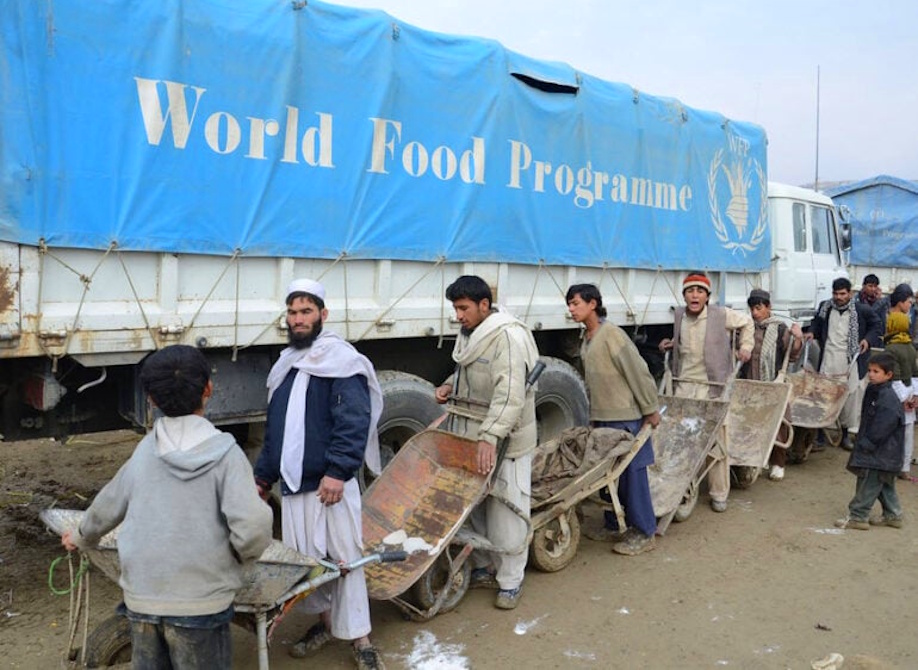
Luxembourg has donated €300,000 to the Afghanistan Humanitarian Fund (AHF), the United Nations Office for the Coordination of Humanitarian Affairs (OCHA) announced on Sunday. The contribution comes as humanitarian needs across Afghanistan remain severe, with millions of people struggling to access basic necessities.
According to OCHA, the funding will be used to deliver urgent, life-saving assistance to vulnerable families and communities. The agency stressed that sustained international support remains critical to addressing Afghanistan’s worsening humanitarian crisis, which has shown few signs of improvement since the Taliban takeover in 2021.
Warnings from UN Agencies
The contribution follows repeated warnings from UN agencies that millions of Afghans continue to depend entirely on humanitarian aid amid deteriorating economic conditions, acute food insecurity, and severe funding shortages. OCHA has cautioned that declining donor support is increasingly limiting the ability of aid organizations to respond to growing needs, forcing some programs to scale back or shut down entirely.
Climate Shocks and Agricultural Collapse
Beyond conflict and economic collapse, Afghanistan is also grappling with the effects of recurring drought, severe water shortages, and other climate-related shocks. These have devastated agricultural production in many provinces, which were once the backbone of local livelihoods. Aid agencies report that prolonged dry conditions have intensified pressure on rural communities already weakened by poverty, unemployment, and displacement.
Scale of Need: Over 20 Million Affected
According to the United Nations, more than 20 million people across Afghanistan currently require humanitarian assistance. UNICEF has projected that in 2026, 21.9 million people including 11.6 million children will need some form of humanitarian support, ranging from food and clean water to education and protection services.
Additional Risk Factors
The humanitarian situation has been further aggravated by several compounding factors:
-
Restrictions on livelihoods, particularly for women and girls, who face bans on secondary and higher education as well as most forms of employment.
-
Reduced economic opportunities, with the banking system and private sector still struggling to recover.
-
Returns of Afghan refugees from neighboring countries, including Pakistan and Iran, where deportation drives have accelerated. Many returnees arrive with few possessions and settle in already overcrowded communities with no access to basic services.
Warning of Worsening Conditions
Humanitarian organizations have warned that without additional international funding, millions of Afghans could face worsening food insecurity and reduced access to essential services, including healthcare, education, and clean water. The World Food Programme (WFP) has previously noted that donor fatigue and competing global crises such as the wars in Ukraine and Gaza have diverted attention and resources away from Afghanistan, leaving aid agencies struggling to fill the gaps.
Luxembourg’s €300,000 contribution, while modest compared to the overall need, is seen as a timely show of solidarity. However, UN officials continue to urge other donor nations to step forward as the country heads into what is expected to be another difficult winter.
Our Pashto-Dari Website

Support Dawat Media Center
If there were ever a time to join us, it is now. Every contribution, however big or small, powers our journalism and sustains our future. Support the Dawat Media Center from as little as $/€10 – it only takes a minute. If you can, please consider supporting us with a regular amount each month. Thank you
DNB Bank AC # 0530 2294668
Account for international payments: NO15 0530 2294 668
Vipps: #557320

Comments are closed.