

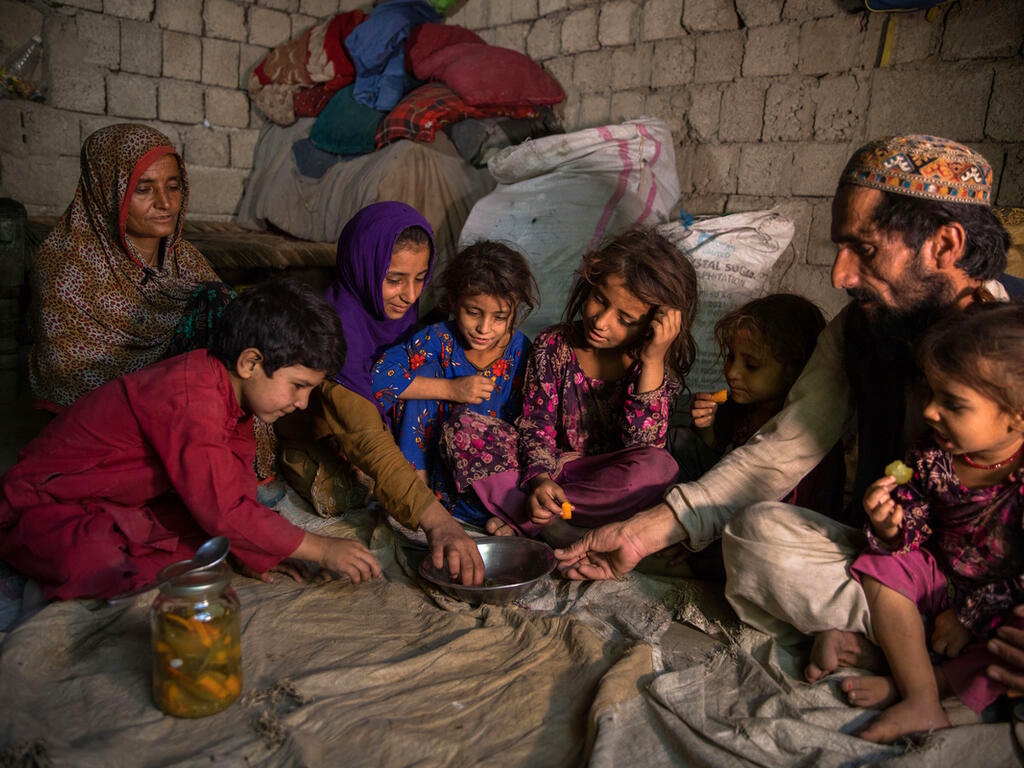
3.7 Million Afghan Children Face Acute Malnutrition, UN Warns
KABUL/NEW YORK – Malnutrition has deepened significantly across Afghanistan, with conditions deteriorating in 26 out of the country’s 34 provinces compared to 2025, the United Nations Office for the Coordination of Humanitarian Affairs (OCHA) reported on Monday.
In a newly released assessment, OCHA described Afghanistan’s nutritional landscape in 2026 as “increasingly alarming,” noting that rising rates of malnutrition are overburdening an already fragile and under-resourced health system. The crisis is most acute among infants and young children, raising urgent concerns about preventable deaths and long-term developmental harm.
12 Provinces in Critical Condition
According to the report, 12 provinces have reached critical levels of malnutrition: Helmand, Daikundi, Zabul, Baghlan, Uruzgan, Paktika, Nuristan, Sar-e-Pul, Ghor, Kandahar, Faryab, and Logar. In these regions, health facilities are struggling to cope with a surge in severely malnourished patients, many of whom require intensive care.
Nearly 40% of infants under six months of age suffering from severe acute malnutrition with medical complications now require hospitalization, OCHA said a significant strain on neonatal and pediatric units that raises the risk of mortality without immediate intervention.
Children Under Two Most at Risk
Children under the age of two remain the most vulnerable group. They account for 83% of severe acute malnutrition cases and 77% of moderate acute malnutrition cases recorded nationwide. Furthermore, approximately 19% of children diagnosed with moderate acute malnutrition are considered at high risk of deteriorating into severe, life-threatening conditions underscoring the need for urgent, scaled-up nutrition services and follow-up care.
Root Causes: Economic Collapse, Climate Shocks, and Funding Gaps
Humanitarian organizations have repeatedly warned that a toxic mix of prolonged economic hardship, widespread food insecurity, limited access to healthcare, and recurring climate-related shocks including droughts and flash floods is driving rising malnutrition among Afghan children and mothers.
Afghanistan continues to face one of the world’s largest humanitarian crises. Millions remain dependent on aid amid staggering poverty, unemployment, and the lingering effects of decades of conflict. Compounding the crisis, funding shortages have forced aid agencies to reduce or suspend assistance programs in several provinces, leaving many communities without access to therapeutic feeding or maternal health services.
Women and Children Bear the Brunt
Women and children remain among the groups most affected. Aid agencies report growing alarm over maternal and child health outcomes, with rising rates of malnutrition and diminished access to essential healthcare especially in rural and hard-to-reach areas where poverty is most entrenched.
3.7 Million Children Acutely Malnourished; 1.2 Million Pregnant or Breastfeeding Women Affected
More than 3.7 million children in Afghanistan are facing acute malnutrition, OCHA warned, highlighting the escalating severity of the emergency. The agency projects that millions of Afghan children will suffer from acute malnutrition in 2026 alone, calling for immediate funding and rapid implementation of nutrition programs to prevent avoidable deaths and long-term health consequences.
In a particularly concerning projection, OCHA also stated that approximately 1.2 million pregnant and breastfeeding women are expected to be affected by malnutrition during 2026. Malnutrition in mothers directly increases risks of low birth weight, preterm birth, and infant mortality, perpetuating a cycle of deprivation.
Call for International Support
The United Nations and humanitarian partners continue to call for increased international support for Afghanistan, warning that without sustained funding and improved access for aid delivery, millions could face worsening food insecurity, health crises, and protection risks in the coming months.
“Immediate action is not just a matter of relief it is a matter of child survival,” an OCHA spokesperson emphasized. Aid agencies stress that expanding access to ready-to-use therapeutic foods, mobile health teams, and community-based nutrition outreach is essential to prevent further deterioration across the country.
Our Pashto-Dari Website

Support Dawat Media Center
If there were ever a time to join us, it is now. Every contribution, however big or small, powers our journalism and sustains our future. Support the Dawat Media Center from as little as $/€10 – it only takes a minute. If you can, please consider supporting us with a regular amount each month. Thank you
DNB Bank AC # 0530 2294668
Account for international payments: NO15 0530 2294 668
Vipps: #557320

Comments are closed.