
UN-Habitat Launches Construction of Three Water Networks in Kunduz to Combat Clean Water Crisis

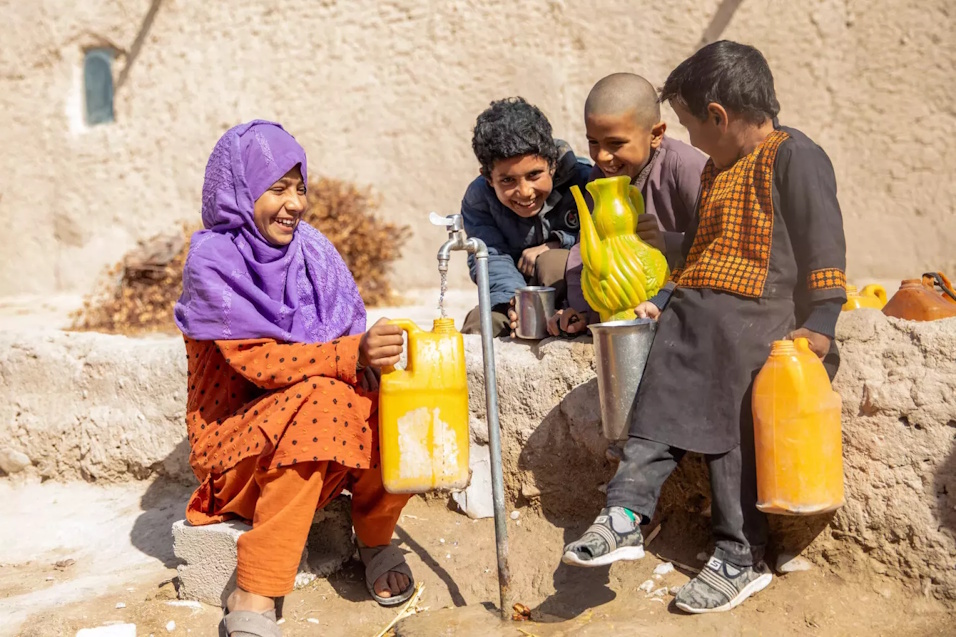
The United Nations Human Settlements Programme (UN-Habitat) has announced the commencement of construction on three separate water supply networks in the Dasht-e Archi district of Afghanistan’s northern Kunduz province. The initiative, which is being carried out with financial and technical backing from partner organizations, marks a significant step toward alleviating the region’s severe water scarcity.
According to a statement released by the agency on Sunday, June 21, the projects are expected to directly benefit hundreds of local families by providing reliable access to potable water. In addition to improving drinking water availability, the networks are designed to enhance overall sanitation and hygiene practices within the communities critical factors in reducing waterborne diseases that disproportionately affect children and the elderly.
UN-Habitat underscored that safe drinking water is a foundational pillar of public health and economic well-being. “Access to clean water is not just a basic necessity—it is a catalyst for improved nutrition, better school attendance, and greater resilience against climate-related shocks,” the organization noted in its release. The agency reiterated its commitment to supporting Afghanistan’s rural populations, where infrastructure deficits remain most acute.
The new construction comes against the backdrop of a deepening water crisis across Afghanistan. In many provinces, families particularly women and children are forced to walk several hours each day to reach the nearest clean water source, often relying on unprotected wells or contaminated rivers. This daily burden not only endangers health but also limits time available for education and livelihood activities.
The scale of the challenge is starkly illustrated by data from the United Nations Children’s Fund (UNICEF), which previously reported that nearly one in three Afghans—approximately 12 million people lack consistent access to sufficient safe drinking water. The situation is further exacerbated by recurrent droughts, decades of underinvestment in water infrastructure, and the displacement of communities due to conflict and natural disasters.
Local authorities in Kunduz have welcomed the UN-Habitat initiative, describing it as a lifeline for drought-affected villages. Community leaders have pledged to support the maintenance of the new networks, while UN-Habitat has confirmed that training sessions on water management and hygiene promotion will accompany the infrastructure work to ensure long-term sustainability.
Looking ahead, humanitarian agencies stress that much more investment is needed. While the three networks in Dasht-e Archi represent a positive development, they serve only a fraction of the population in need. Aid organizations continue to call for increased international funding and coordinated efforts to expand water, sanitation, and hygiene (WASH) programs nationwide particularly as Afghanistan faces growing pressures from climate change and population growth.
Our Pashto-Dari Website

Support Dawat Media Center
If there were ever a time to join us, it is now. Every contribution, however big or small, powers our journalism and sustains our future. Support the Dawat Media Center from as little as $/€10 – it only takes a minute. If you can, please consider supporting us with a regular amount each month. Thank you
DNB Bank AC # 0530 2294668
Account for international payments: NO15 0530 2294 668
Vipps: #557320

Comments are closed.