

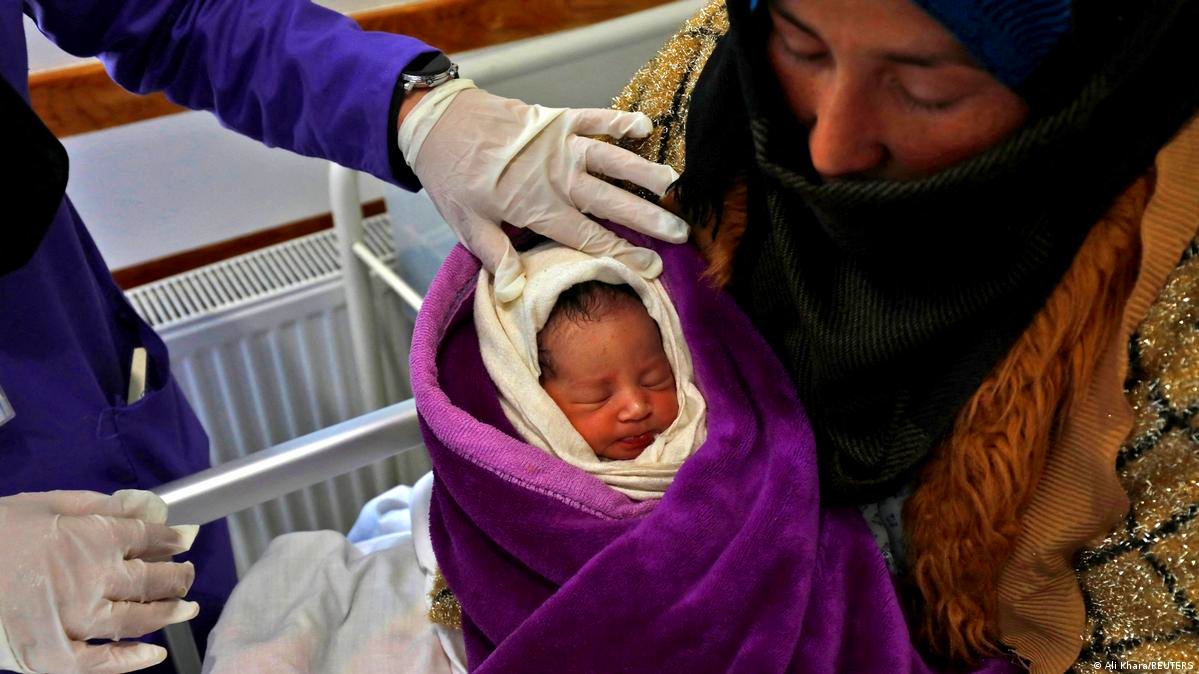
KABUL -The United Nations Population Fund (UNFPA) has underscored the critical role of midwives and community-based maternal healthcare in reducing preventable deaths among mothers and newborns in Afghanistan, especially in remote and underserved regions.
In a report released on Monday, UNFPA detailed how health workers at a Family Health House in the Dara-e-Bum district of Badghis province successfully managed high-risk pregnancies and deliveries, averting serious complications for both mothers and their infants. The facility serves as a model for how localized, midwife-led care can bridge gaps where hospital access is scarce.
According to the agency, timely interventions by midwives and other health staff including emergency obstetric care enabled women facing complicated pregnancies to deliver safely, avoiding life-threatening outcomes. UNFPA stressed that access to prenatal care, skilled birth attendance, and postnatal treatment can prevent a large majority of maternal and infant deaths. The agency added that community-based health facilities are vital in remote regions, where hospitals and specialized services remain out of reach for many families.
The Family Health House in Dara-e-Bum operates with support from the Government of Canada and provides essential maternal and newborn healthcare services to district residents, UNFPA noted. Such facilities often serve as the first and sometimes only point of contact with the formal health system for women in rural Afghanistan.
A humanitarian crisis deepening maternal health risks
The UNFPA report comes as Afghanistan continues to endure one of the world’s most severe humanitarian crises. Aid agencies warn that decades of conflict, widespread poverty, climate-related shocks, and sharply declining international funding have left millions of people in urgent need of humanitarian assistance, including access to basic healthcare.
The United Nations has repeatedly expressed alarm over Afghanistan’s persistently high maternal mortality rate, which remains among the highest globally. UN agencies estimate that hundreds of Afghan women die each year from pregnancy- and childbirth-related complications most of which are preventable with timely medical care and access to skilled health workers. According to UNICEF and WHO data, Afghanistan’s maternal mortality ratio is estimated at more than 600 deaths per 100,000 live births, a figure that has changed little over the past decade.
Humanitarian organizations have also warned that funding shortfalls are forcing many health facilities to scale back services across the country. They say sustaining international support for maternal and reproductive healthcare is essential to preventing further increases in maternal and newborn deaths, particularly in rural areas where women often face significant barriers to seeking treatment including long distances, lack of transportation, cultural restrictions, and limited decision-making autonomy.
Without continued investment in midwifery training, community health infrastructure, and emergency obstetric care, aid groups caution that hard-won gains in reducing maternal deaths could be reversed, putting thousands of women and newborns at unnecessary risk.
Our Pashto-Dari Website
Support Dawat Media Center
If there were ever a time to join us, it is now. Every contribution, however big or small, powers our journalism and sustains our future. Support the Dawat Media Center from as little as $/€10 – it only takes a minute. If you can, please consider supporting us with a regular amount each month. Thank you
DNB Bank AC # 0530 2294668
Account for international payments: NO15 0530 2294 668
Vipps: #557320

Comments are closed.