
MSF Issues Urgent Warning Over Escalating Maternal and Newborn Health Crisis in Afghanistan’s Khost Province

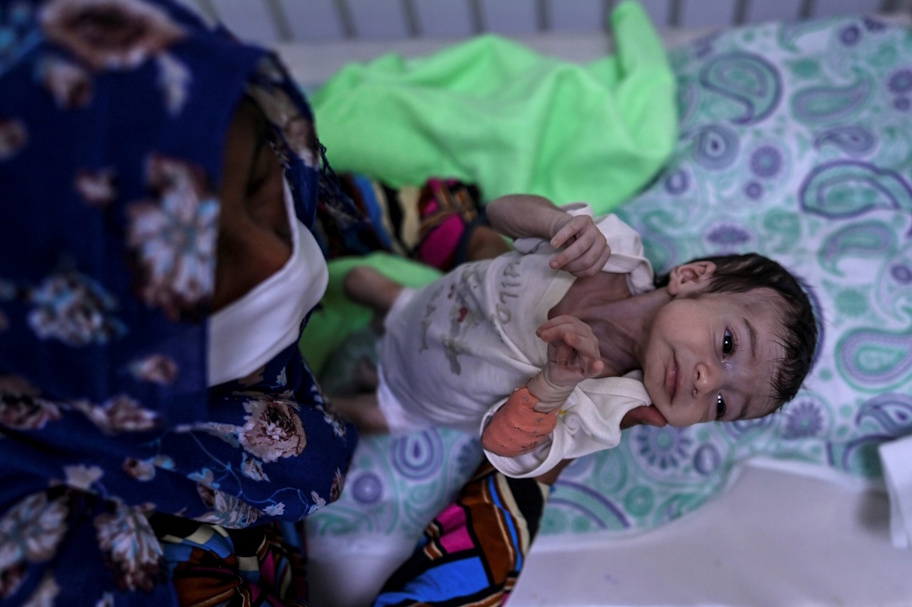
Khost, Afghanistan — Médecins Sans Frontières (MSF), also known as Doctors Without Borders, has issued a stark warning about a critical and worsening healthcare emergency for mothers and newborns in Afghanistan’s southeastern Khost province. The organization highlights that severe shortages of specialized medical services, equipped facilities, and skilled personnel are placing countless lives at immediate risk.
In 2025 alone, MSF-supported healthcare facilities in Khost province managed 21,805 deliveries—a staggering figure that underscores both the immense demand for services and the growing reliance on the limited aid available. Behind this number lies a deepening crisis: during the same period, 1,834 newborns with life-threatening complications required urgent treatment in neonatal intensive care units (NICUs). These infants faced conditions such as severe prematurity, birth asphyxia, and acute infections, complications that are often survivable with adequate specialist care.
The crisis is driven by a confluence of systemic failures. Critical gaps in specialist care—including a dire lack of qualified obstetricians, neonatologists, and anesthetic support—mean that complicated deliveries and emergency interventions often cannot be managed locally. Furthermore, a shortage of equipped medical centers, particularly those capable of providing comprehensive emergency obstetric and newborn care (EmONC), forces families into desperate situations.
“For many in remote communities, reaching a functional hospital is a dangerous and costly journey over difficult terrain,” explained an MSF project coordinator in Khost. “When every minute counts during a childbirth complication, these distances can be fatal. The barrier isn’t just geographical; it’s also economic, as many families simply cannot afford the cost of transport.”
The situation in Khost mirrors a national tragedy. Afghanistan remains one of the most dangerous places in the world to give birth, with among the highest global rates of maternal and newborn mortality. This crisis is exacerbated by the country’s profound economic collapse, which has crippled the public healthcare system, and by restrictions that continue to impede women’s access to education and employment, including in the medical field.
Despite operating in an environment of immense challenge, MSF remains on the front lines. The organization supports the critical NICU and maternity units at the Khost Regional Hospital and runs a comprehensive pediatric hospital in the province, providing lifesaving care free of charge.
However, MSF emphasizes that humanitarian aid alone cannot solve this systemic crisis. The organization is calling for urgent and sustained international support to strengthen Afghanistan’s collapsing healthcare infrastructure. This includes:
-
Increased funding and resources for maternal and newborn health services.
-
Investment in training and retaining female healthcare professionals.
-
Support for the expansion of specialized care units and ambulance services in remote regions.
-
Long-term commitments to rebuild a functional public health system.
“The lives of mothers and newborns are hanging in the balance every day,” MSF’s statement concluded. “While we continue our work, a concerted and scaled-up effort is desperately needed to prevent further loss of life. The international community cannot look away.”
Our Pashto-Dari Website

Support Dawat Media Center
If there were ever a time to join us, it is now. Every contribution, however big or small, powers our journalism and sustains our future. Support the Dawat Media Center from as little as $/€10 – it only takes a minute. If you can, please consider supporting us with a regular amount each month. Thank you
DNB Bank AC # 0530 2294668
Account for international payments: NO15 0530 2294 668
Vipps: #557320

Comments are closed.