
Singer Zalala Hashimi Safely Exits Afghanistan After Months of Disappearance, Spotlighting Perils for Women Under Taliban Rule

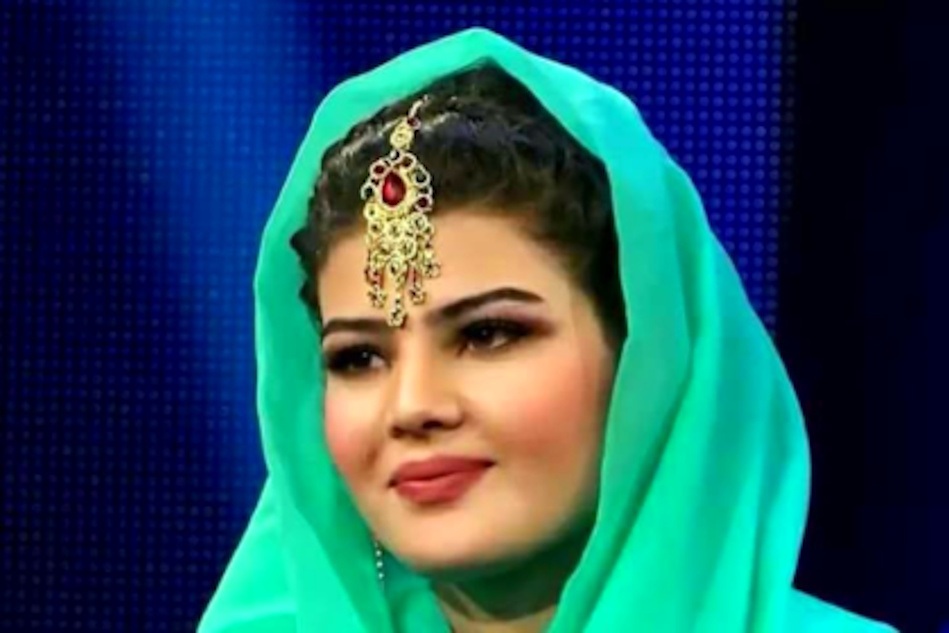
Afghan singer Zalala Hashimi has confirmed her safety and departure from Afghanistan, ending months of widespread speculation and concern about her whereabouts. Her case underscores the severe threats and systemic challenges faced by women, particularly artists, since the Taliban’s return to power.
According to an interview with BBC News, Hashimi revealed she faced immense difficulties over the past six years and had been awaiting an opportunity to leave the country to “raise her voice” freely. While she did not disclose specific details of her experiences or the exact circumstances of her recent disappearance, her escape points to a climate of intense pressure.
The public drama began in June when her family reported her missing. Her husband, Syed Mohsen Hashimi, stated at the time that she had left to meet friends and never returned, with her phone switched off. He later declined to comment further. However, fellow singer and women’s rights activist Ariana Saeed provided a starkly different account in a video message, alleging that Hashimi had fled her home due to domestic violence. Saeed accused Hashimi’s husband of spreading misinformation to the media—specifically, claims that she had been abducted—while allegedly attempting to trace her through social networks.
A Covert Exit Amidst Broader Crackdown
On Wednesday, Hashimi directly contacted Ariana Saeed to inform her of the successful departure, which she described as a “personal” decision. She emphasized that no individual or organization facilitated her exit, suggesting a clandestine and likely perilous journey.
Her disappearance had severe repercussions for her family. Following reports that she was missing, Taliban authorities reportedly detained several of her relatives—a common intimidation tactic that heightens the risks for women seeking to flee and creates collective punishment for families. This action highlights the extreme dangers and political dimensions of a woman’s choice to leave.
A Symbol of Talent and Repression
Zalala Hashimi first rose to prominence on the popular televised singing competition “Afghan Star,” where she notably advanced past the first round in a field dominated by male contestants. Her initial success was a symbol of fragile progress for women in the Afghan entertainment industry, making her subsequent silencing and flight a powerful indicator of that progress’s reversal.
Her departure is not an isolated incident but part of a devastating exodus and silencing of female voices in Afghanistan. The Taliban regime has systematically enforced bans on women singing publicly, appearing in dramas, and performing at public events. Many prominent female artists, journalists, and activists have been forced into hiding, have ceased public work, or have fled the country under fear of persecution, violence, or death.
Broader Implications for Human Rights and Freedom
Human rights organizations have consistently documented a pattern of threats, harassment, and severe social restrictions targeting Afghan women in public life. Hashimi’s case crystallizes the intersection of gender-based violence, political repression, and the crushing of artistic expression.
Her story has ignited intense discussion within Afghan communities both inside the country and across the diaspora, reflecting on the profound loss of talent and voice, while also highlighting the remarkable resilience of those who resist. It underscores the urgent, unmet need for international attention and mechanisms to protect at-risk Afghan women, particularly those in the public eye.
Ultimately, Zalala Hashimi’s escape is a microcosm of the larger crisis in Afghanistan, where insecurity, the eradication of fundamental freedoms, and the collapse of career and educational opportunities—especially for women—continue to drive a desperate wave of migration. Her safe arrival abroad offers a moment of relief, but her story remains a stark testament to the countless women still trapped and silenced.
Our Pashto-Dari Website

Support Dawat Media Center
If there were ever a time to join us, it is now. Every contribution, however big or small, powers our journalism and sustains our future. Support the Dawat Media Center from as little as $/€10 – it only takes a minute. If you can, please consider supporting us with a regular amount each month. Thank you
DNB Bank AC # 0530 2294668
Account for international payments: NO15 0530 2294 668
Vipps: #557320

Comments are closed.