
Flash Floods Kill at Least 17 in Afghanistan, Highlighting Nation’s Deepening Climate Vulnerability

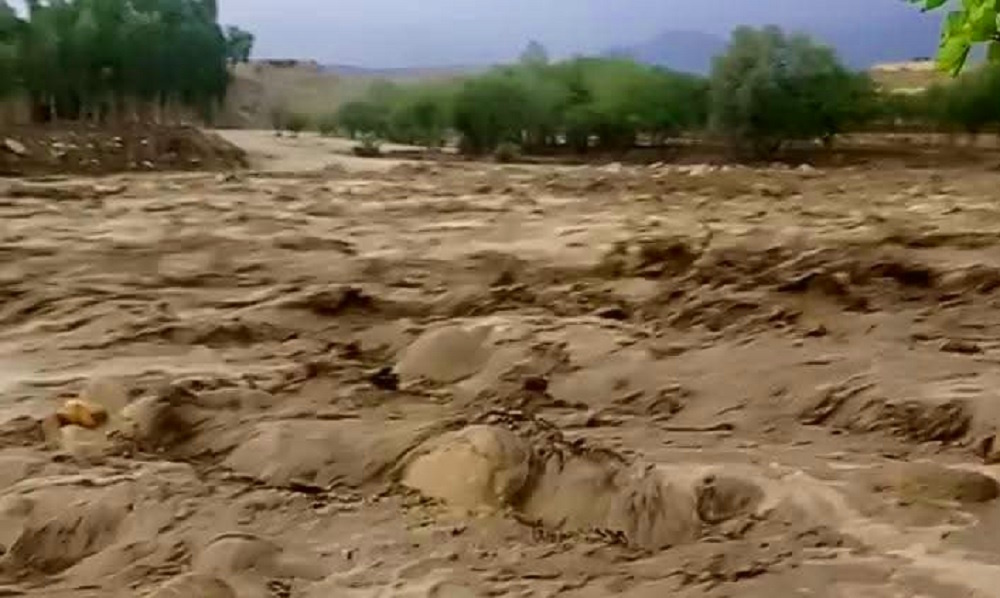
KABUL – At least 17 people have been killed and 11 others injured as a wave of intense rainfall and snowfall, while ending a prolonged dry spell, triggered destructive flash floods across multiple Afghan provinces this week. The severe weather has damaged critical infrastructure, destroyed livestock, and displaced thousands, underscoring the compounding crises facing a nation already reeling from economic collapse and decades of conflict.
The human toll includes five members of a single family—two of them children—who perished on Thursday when their roof collapsed under heavy rain in Kabkan district, Herat province, according to provincial governor spokesman Mohammad Yousaf Saeedi.
Widespread Impact and Ongoing Assessments
Mohammad Yousaf Hammad, a spokesman for the Afghanistan National Disaster Management Authority (ANDMA), confirmed that most casualties occurred since Monday in districts hit by sudden flooding. The severe weather system has disrupted daily life and travel across central, northern, southern, and western regions.
“Initial reports indicate the floods have damaged infrastructure, killed livestock, and directly affected approximately 1,800 families,” Hammad stated. “These events worsen conditions in already vulnerable urban and rural communities.” He added that ANDMA has deployed assessment teams to the hardest-hit areas, with surveys ongoing to determine the scale of humanitarian need, including for shelter, food, and medical supplies.
Dramatic Scenes of Survival and Loss
Graphic evidence of the floods’ power circulated on social media. One video clip posted on X showed a large truck being overturned by a raging torrent on the Herat-Kandahar highway near Dasht-e Bakwa. Another harrowing video depicted several passengers scrambling to escape after their bus was toppled by a strong flood current, illustrating the sudden danger faced by travelers.
A Nation on the Frontlines of Climate Change
Afghanistan, alongside neighbors Pakistan and India, is ranked among the nations most vulnerable to climate change and extreme weather. The current disasters follow a familiar, tragic pattern: seasonal rains, often following periods of drought, lead to rapid runoff on barren ground, resulting in deadly flash floods.
Experts note that decades of war have crippled disaster management systems and degraded infrastructure, while widespread deforestation has stripped watersheds of their natural stabilizing capacity. These factors, combined with the intensifying effects of global climate change, exponentially increase the impact of natural hazards. The risk is particularly acute in remote areas, where many homes are constructed of mud-brick and offer little resistance to violent floods.
The tragedy arrives just months after a magnitude 6.0 earthquake struck eastern Afghanistan in August, killing more than 1,400 people. The consecutive disasters strain the limited resources of the Taliban-led administration and international aid agencies operating in the country. With the nation’s emergency response capabilities severely weakened by economic isolation and the halt of much direct foreign development funding, the latest floods present a formidable new challenge to both authorities and humanitarian organizations struggling to meet overwhelming needs.
Our Pashto-Dari Website


Support Dawat Media Center
If there were ever a time to join us, it is now. Every contribution, however big or small, powers our journalism and sustains our future. Support the Dawat Media Center from as little as $/€10 – it only takes a minute. If you can, please consider supporting us with a regular amount each month. Thank you
DNB Bank AC # 0530 2294668
Account for international payments: NO15 0530 2294 668
Vipps: #557320

Comments are closed.